How ControlNet Hands Composition Back to the AI Artist
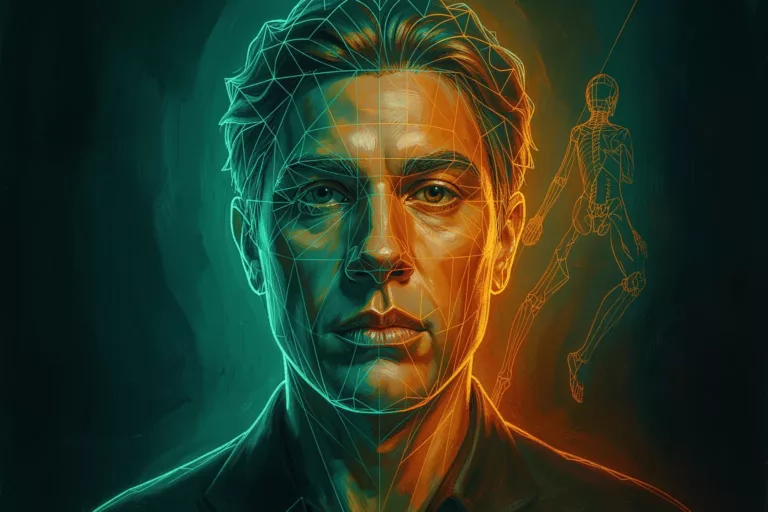
ControlNet lets artists feed a diffusion model an edge map, depth field, or pose skeleton, so you draw the composition and the machine fills the surface.
AI Based Art and Design
ControlNet lets artists feed a diffusion model an edge map, depth field, or pose skeleton, so you draw the composition and the machine fills the surface.
Collectors now ask how an AI piece was made, not just whether they like it. Inside the push to give AI art a verifiable provenance trail in 2026.
Prompt scheduling changes what a diffusion model reads mid-denoise. The [A:B:step] and [A|B] syntax lets artists morph, add and fuse concepts over time.
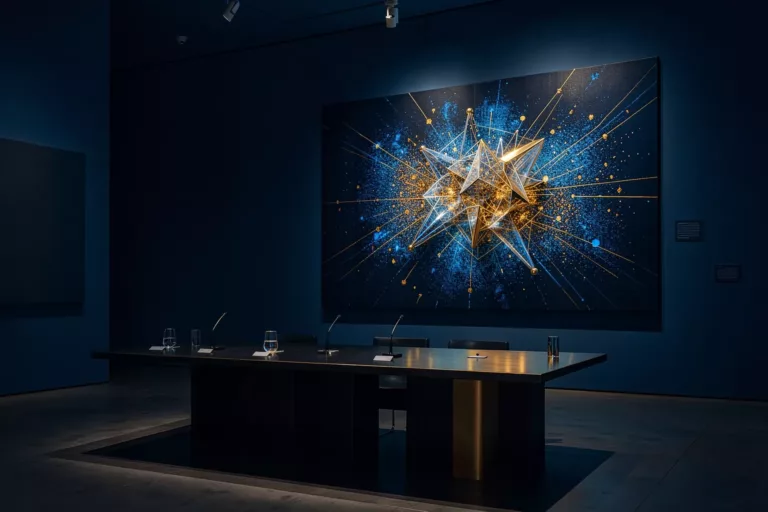
Legacy art prizes kept AI at arm's length for years. In 2026, juries are rewriting the rules and asking artists to prove who really made the work.
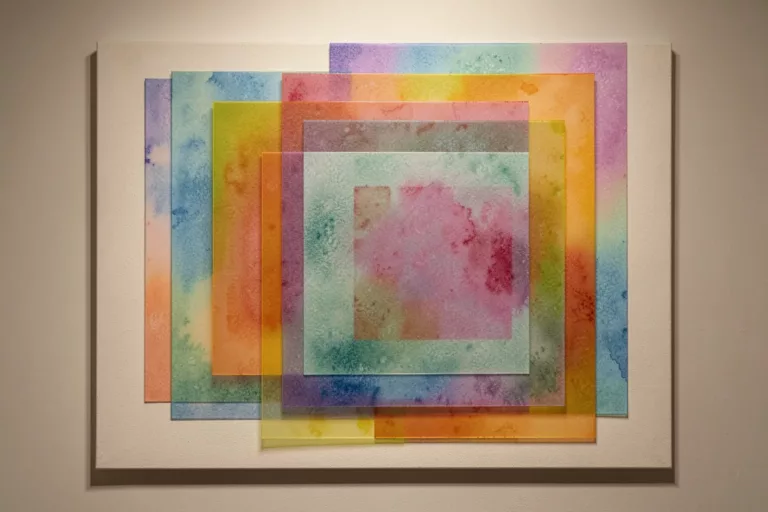
LoRAs are tiny adapter files that teach AI image models a specific style. How artists train and stack them to make their work look like a decision.
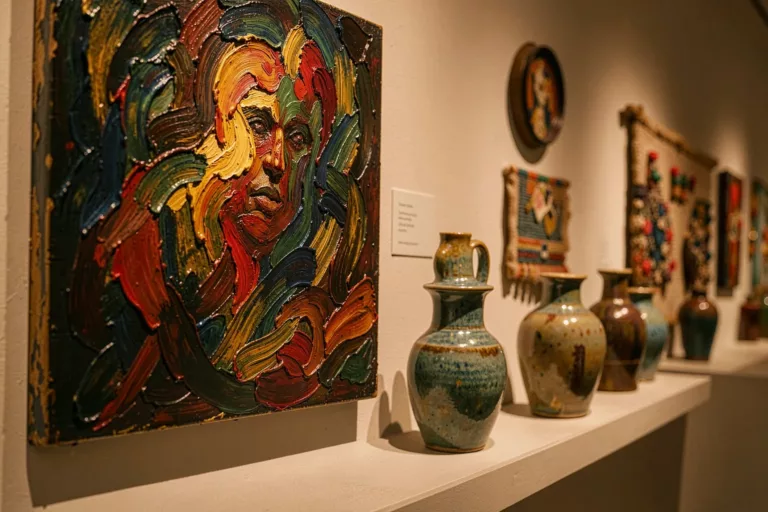
As AI image-making turns cheap and everywhere, 2026 collectors pay up for ceramics, weaving, and handmade work. Here's why craft became the market's hedge.
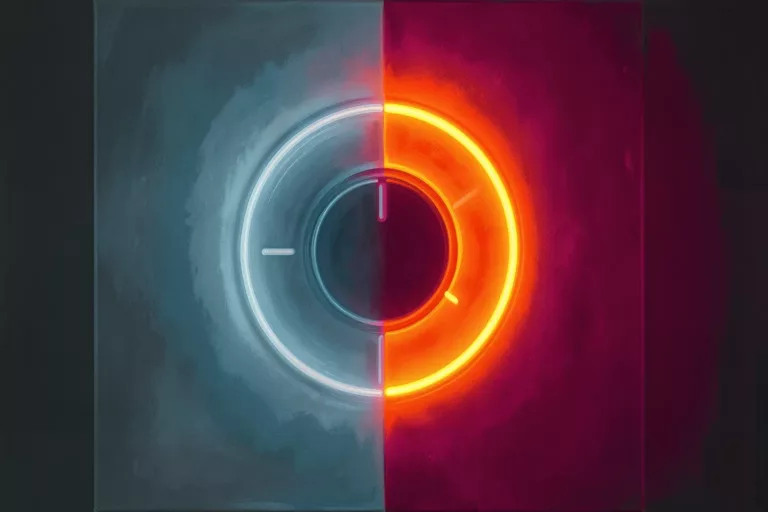
Guidance scale, or CFG, is the one dial that decides whether AI art obeys your prompt or improvises. Here is how to use it on purpose.
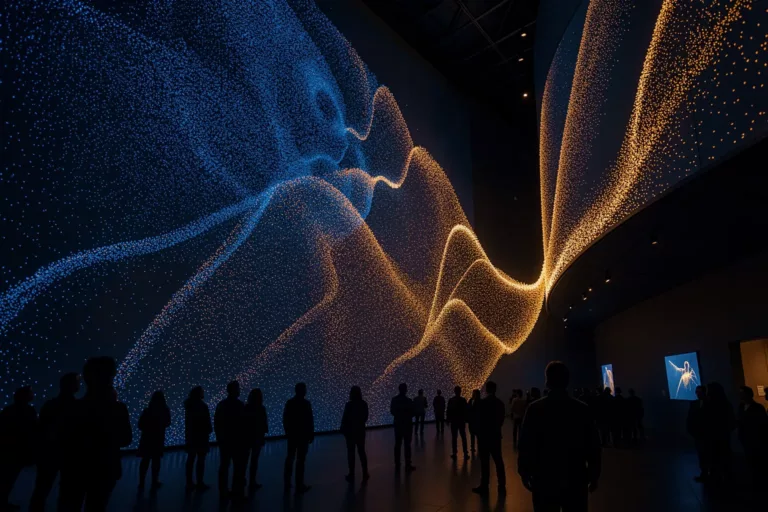
TIME just put Refik Anadol on its 2026 art power list. AI art has arrived — but here's what that mainstream moment really means, and who it leaves out.
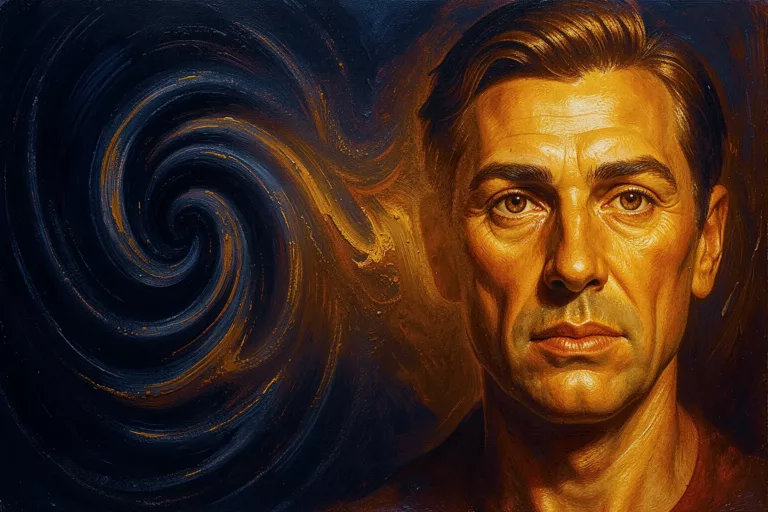
Two runs, same prompt and seed, different sampler and a different image. How ancestral vs deterministic solvers and step counts shape the look of AI art.
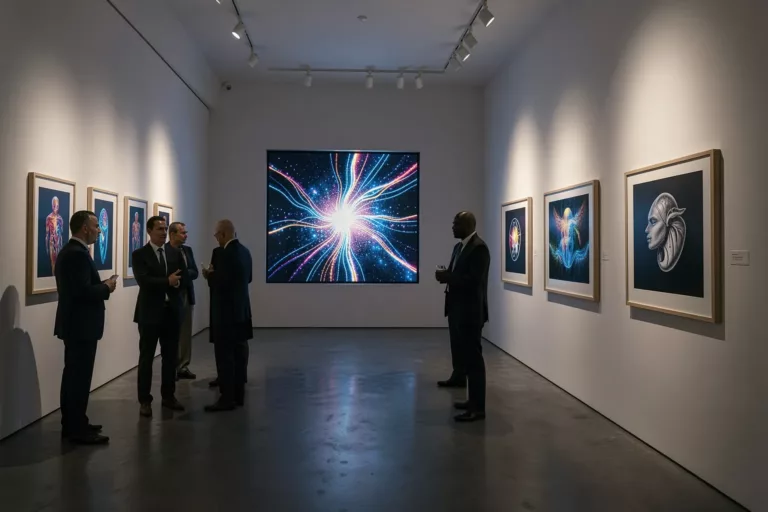
In 2026 a few dealers stopped booking AI art as a novelty and started representing the artists — rosters, solo shows, and the hard questions that follow.
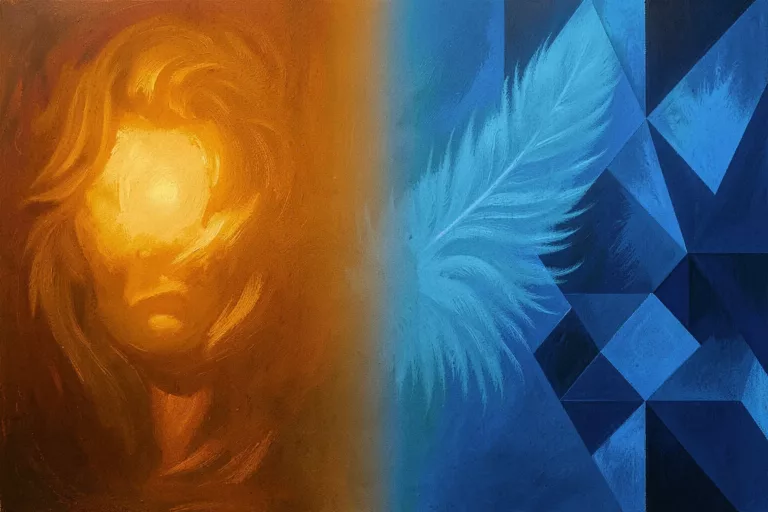
Diffusion models blend the whole prompt across the frame. Regional prompting carves the canvas into zones so each subject keeps its own space.
The fortunes minted by AI are huge and young. At Christie's Art + Tech Summit, dealers asked the real question: will any of that money buy art at all?

