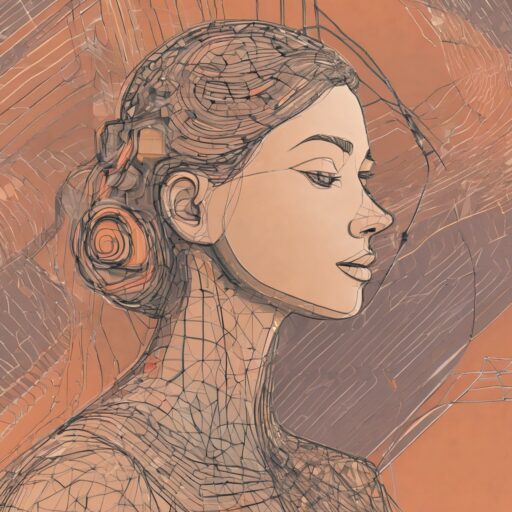

Urban
AI Design
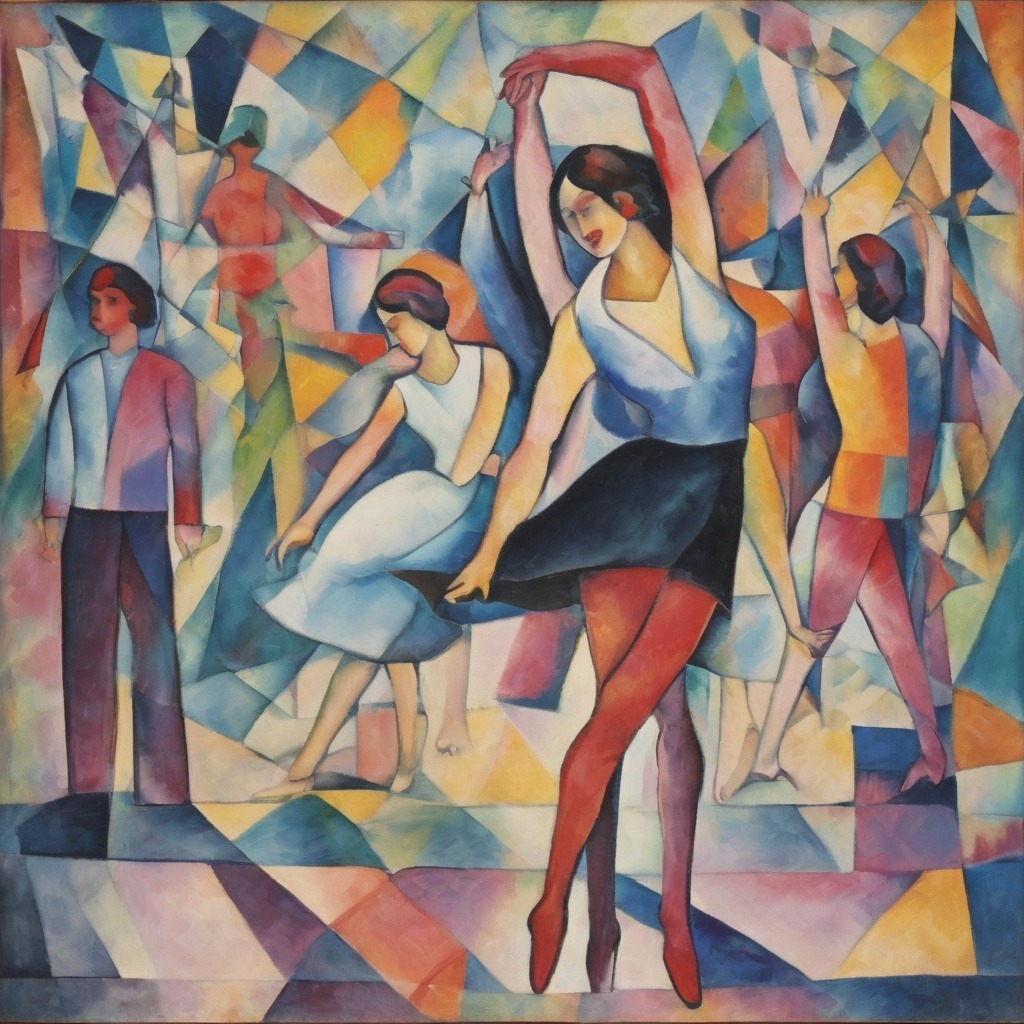
Effects
New Effects and Possibilities
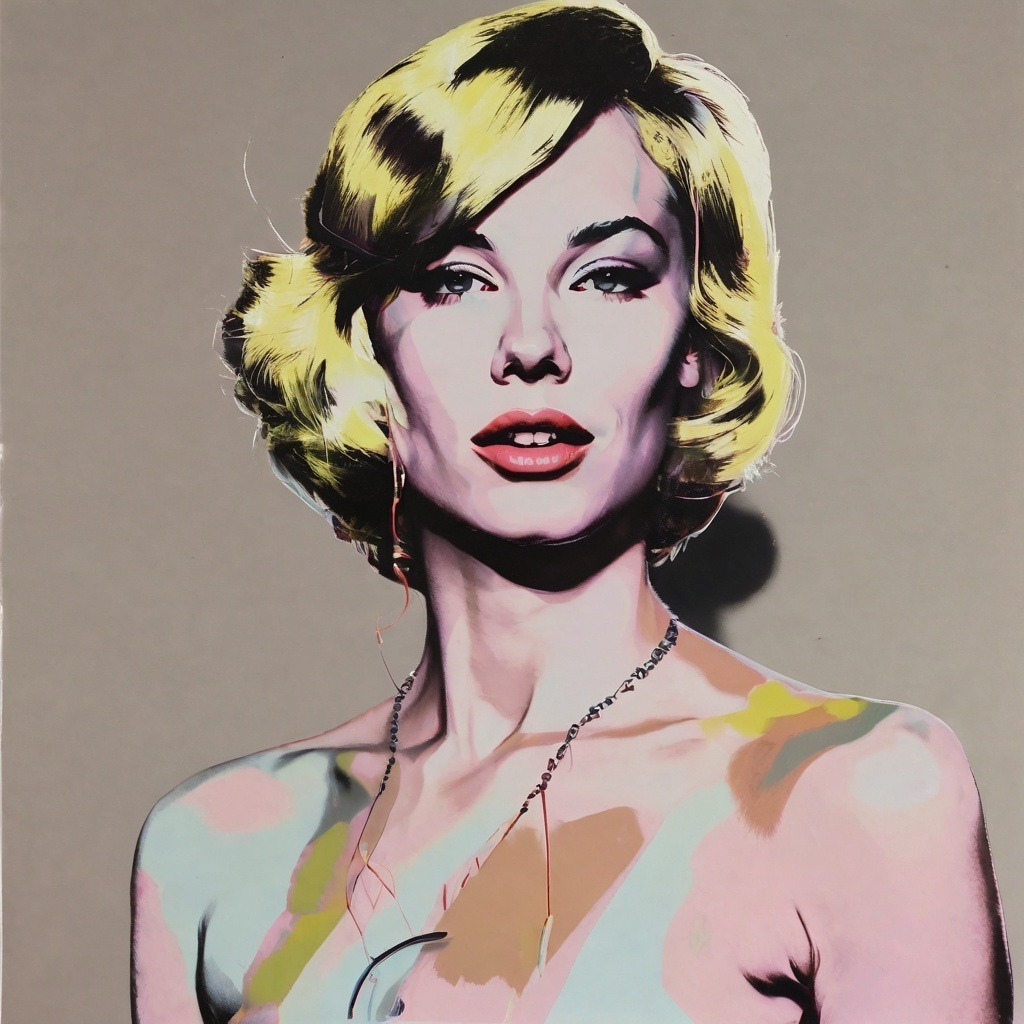
People
The decisive moment
Painted-On Pipes: How AI Renders High-Tech Architecture
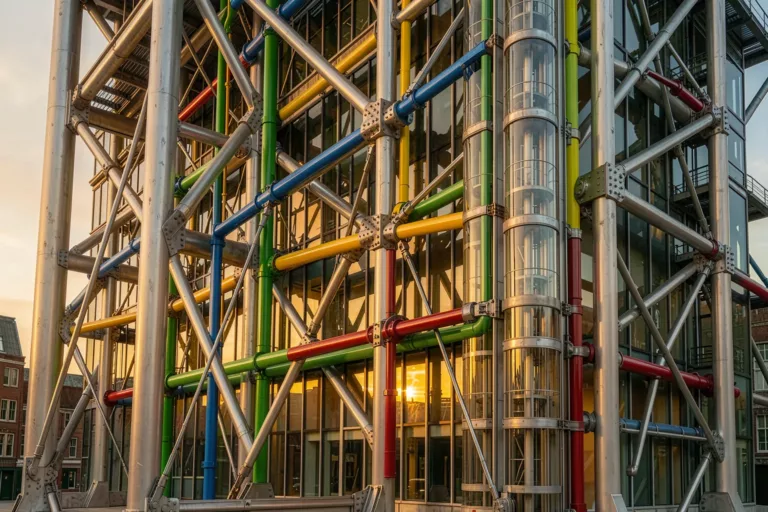
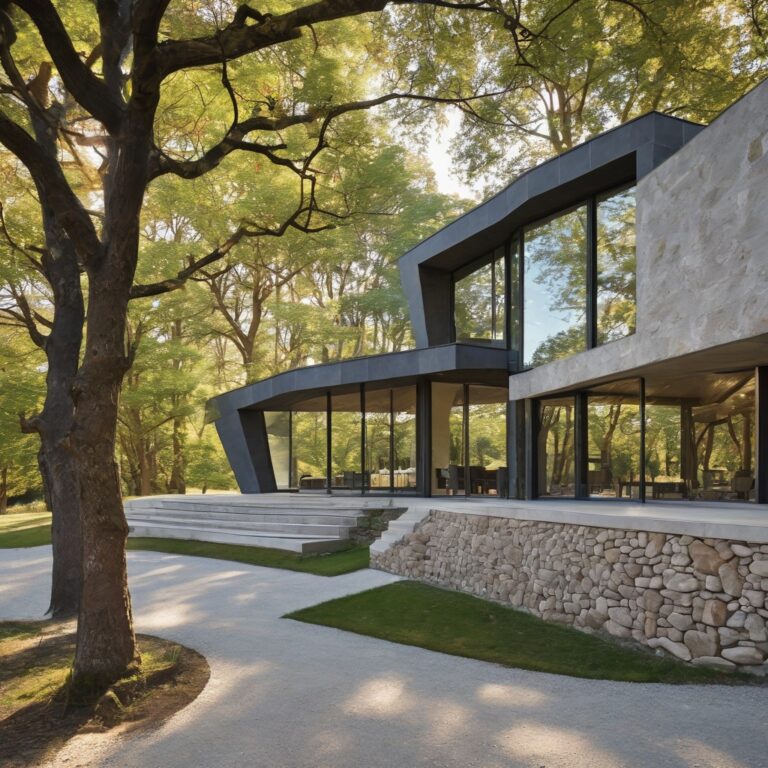
High-Tech architecture was built to show its real structure. A diffusion model fakes all of it — a very pretty, very dishonest lie.
Who Holds the Pen? AI Authorship Becomes 2026’s Art-World Fight

A Goncourt removal, a 1,800-page AI dialogue, and Artprice's warning: 2026's art world is now fighting over who counts as the author.
How ControlNet Hands Composition Back to the AI Artist
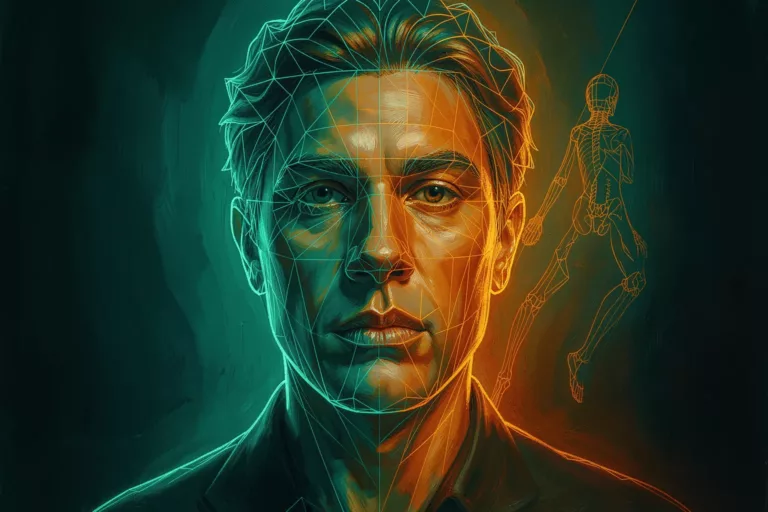
ControlNet lets artists feed a diffusion model an edge map, depth field, or pose skeleton, so you draw the composition and the machine fills the surface.
Long, Low, and Local: How AI Rebuilds the Prairie School
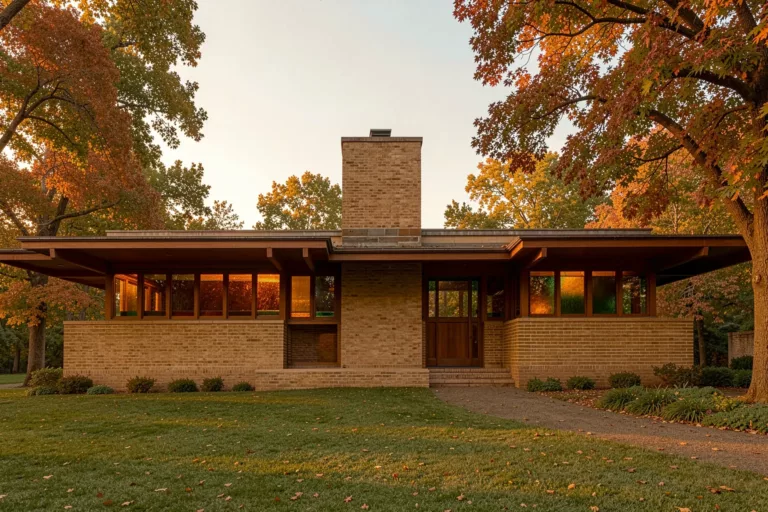
Text-to-image models nail Prairie School warmth and proportion, then fumble its structural logic and sense of place. A look at what AI gets right about Frank Lloyd Wright.
Show Your Receipts: How AI Art Is Getting a Provenance Trail
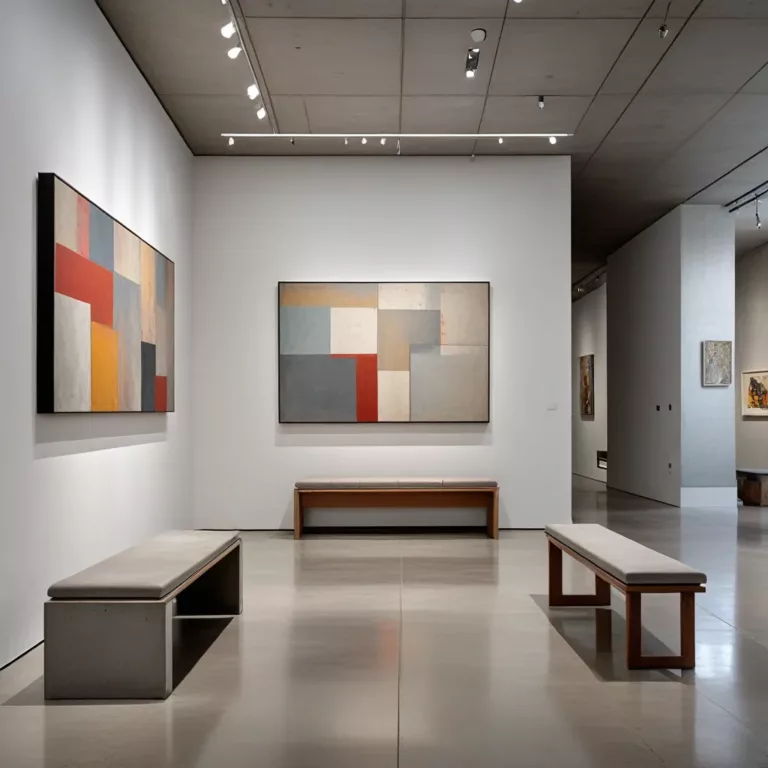
Collectors now ask how an AI piece was made, not just whether they like it. Inside the push to give AI art a verifiable provenance trail in 2026.
Popular Works
Art and design thrive on the openness and freedom of data and models – you are free to use all generated images – if you refer to us!
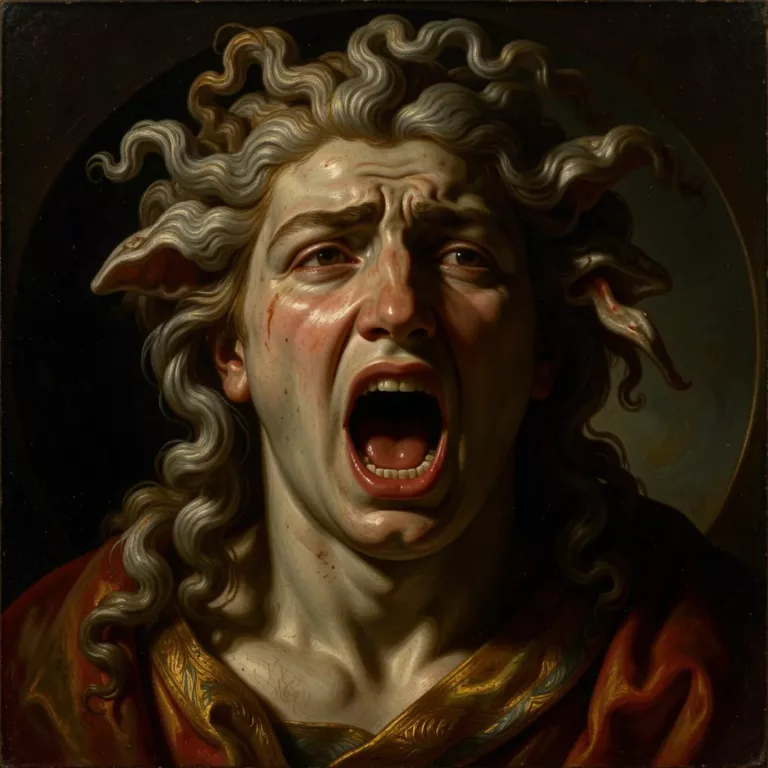
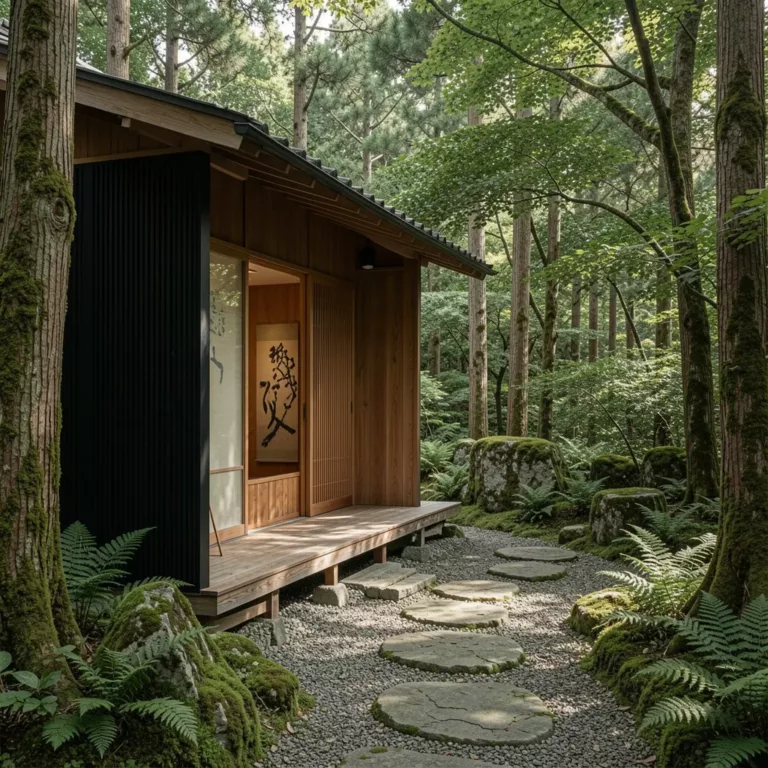
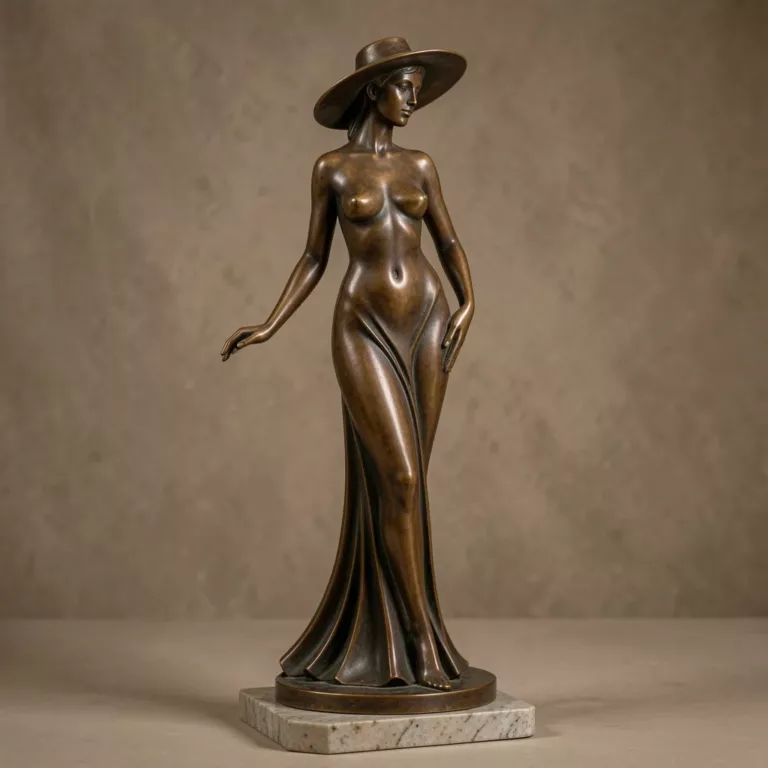
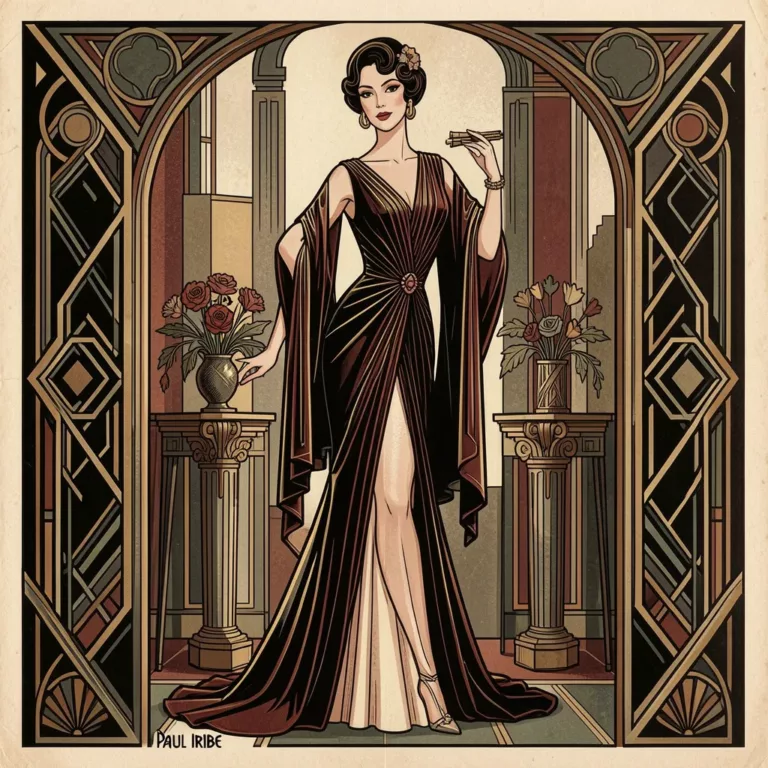
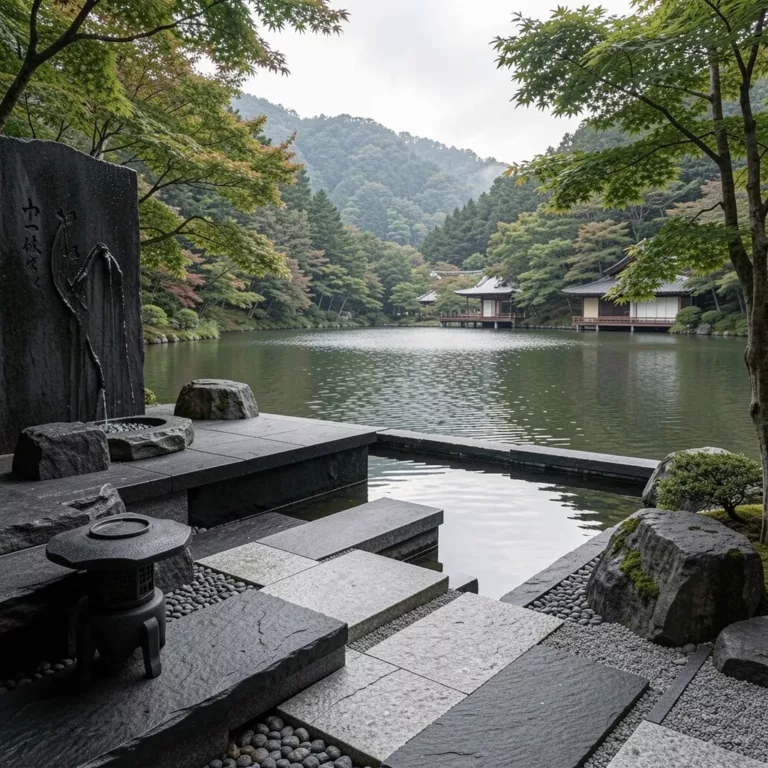
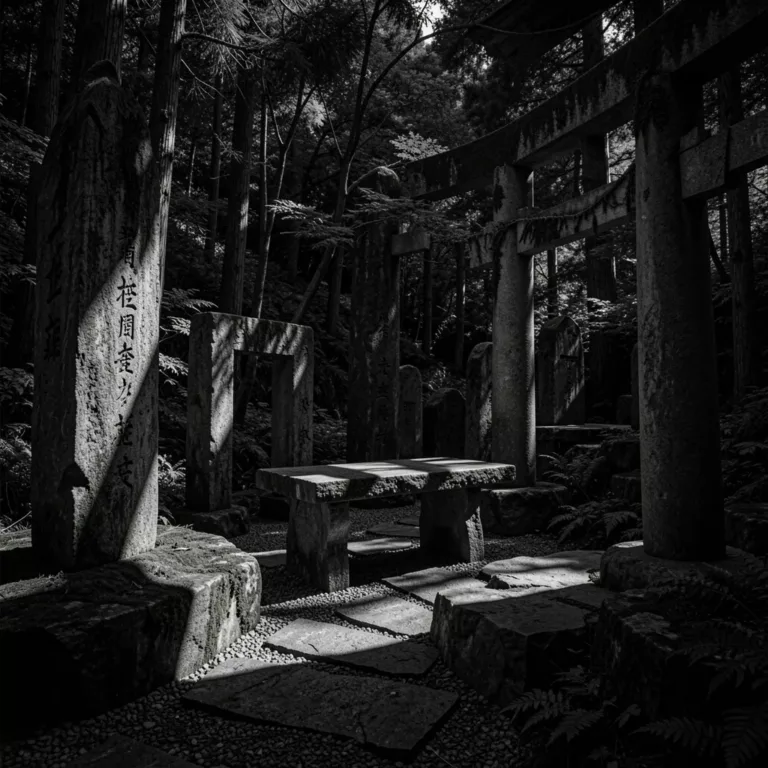
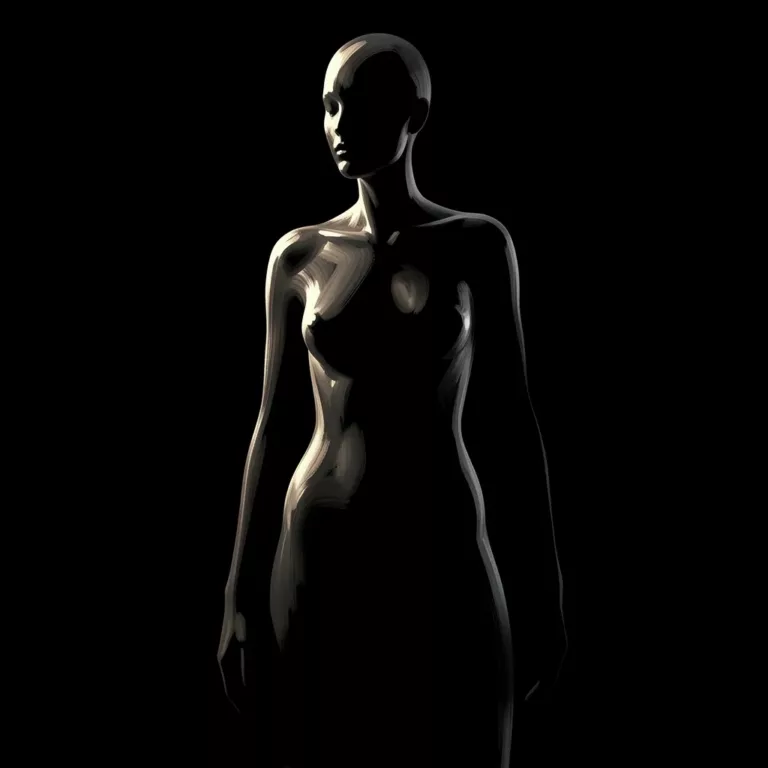
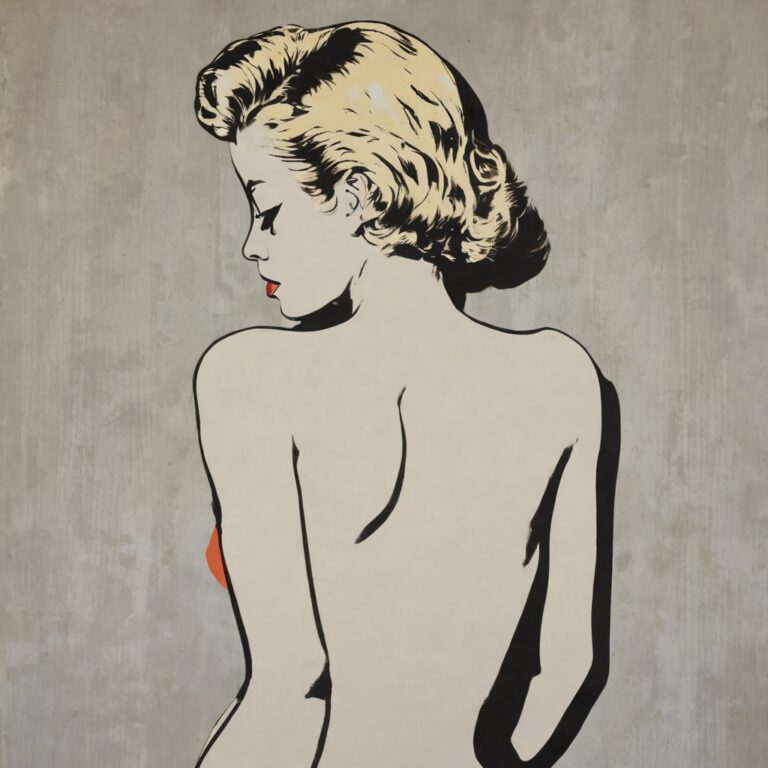
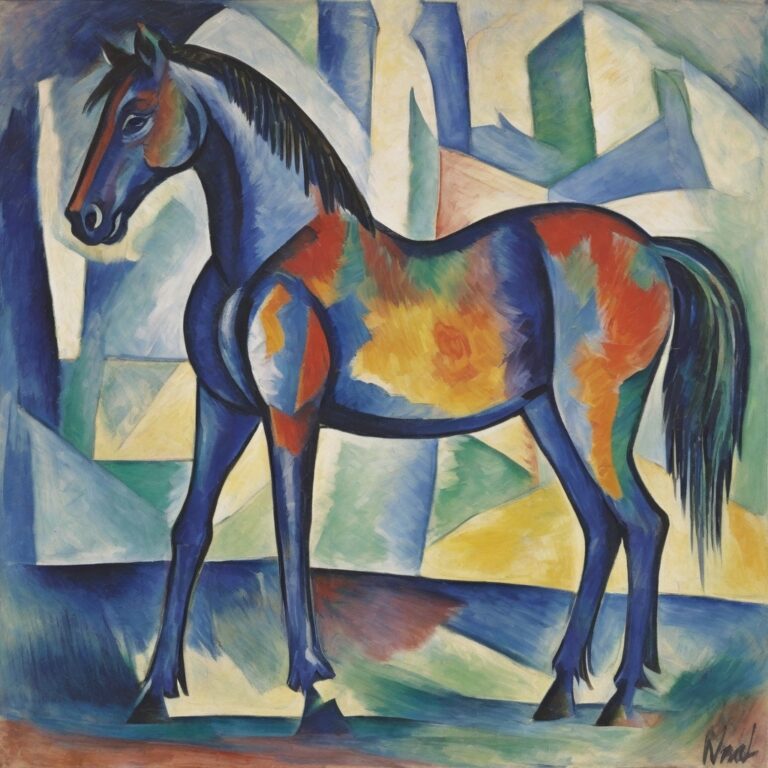
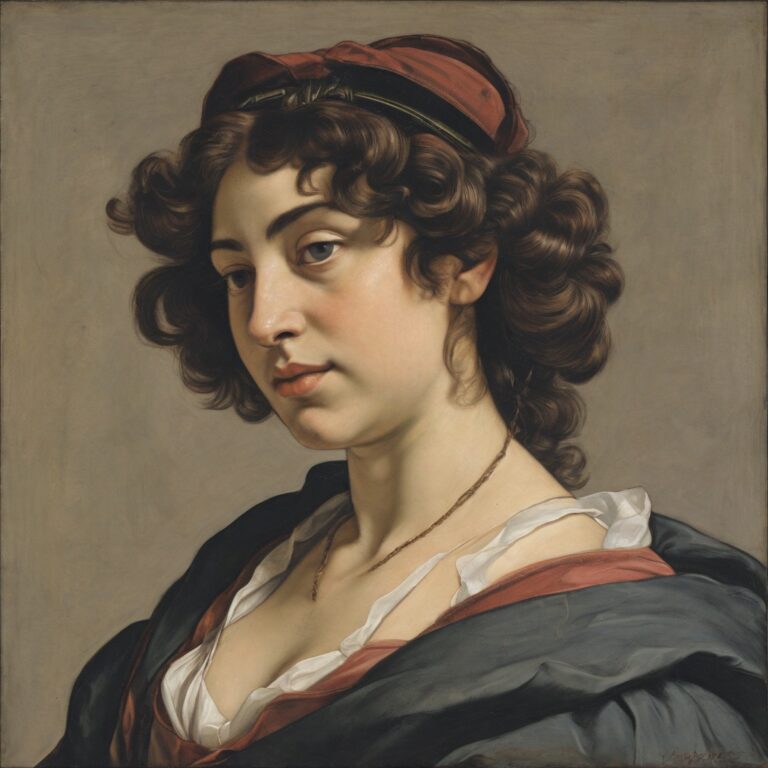
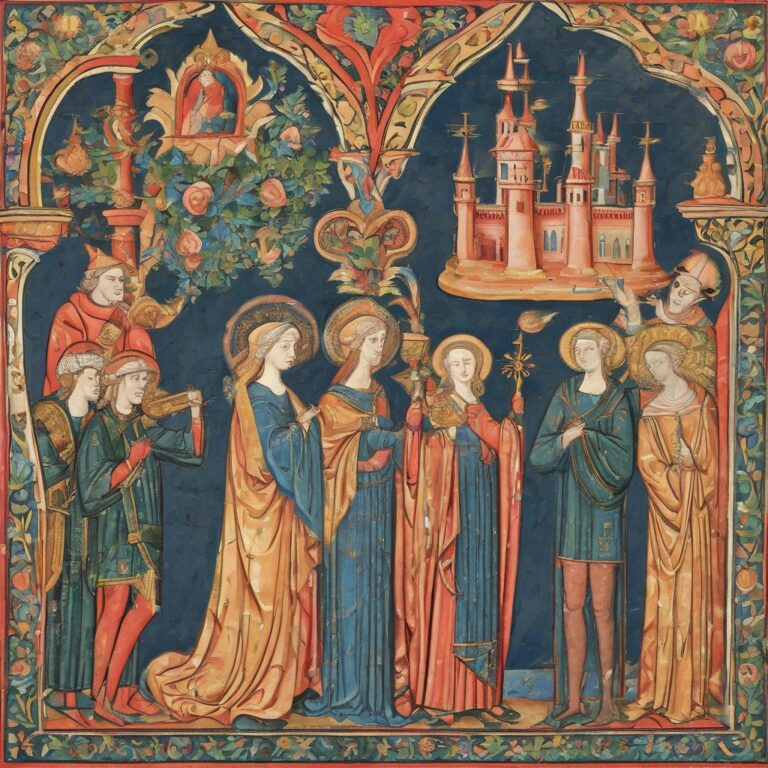
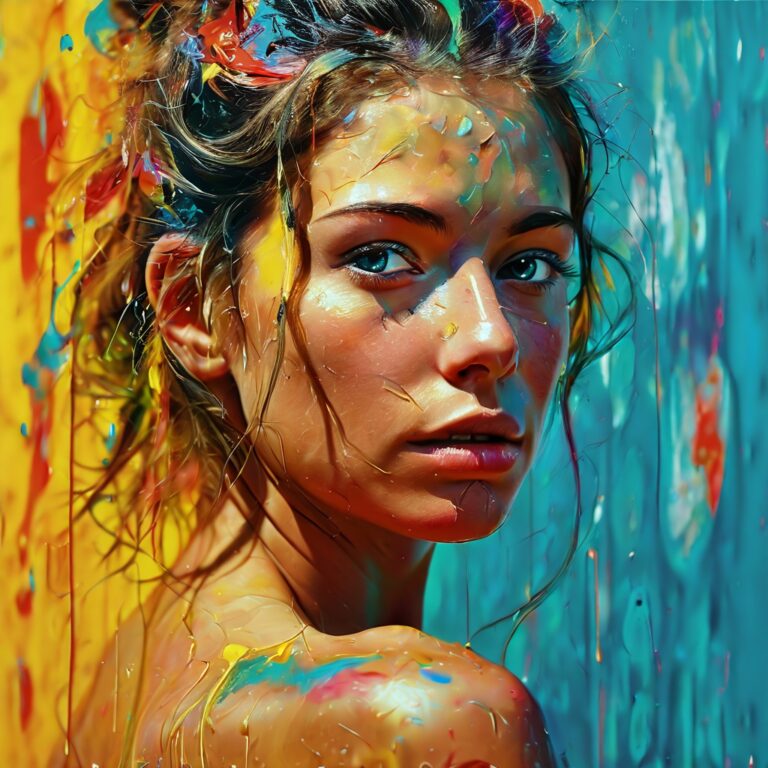

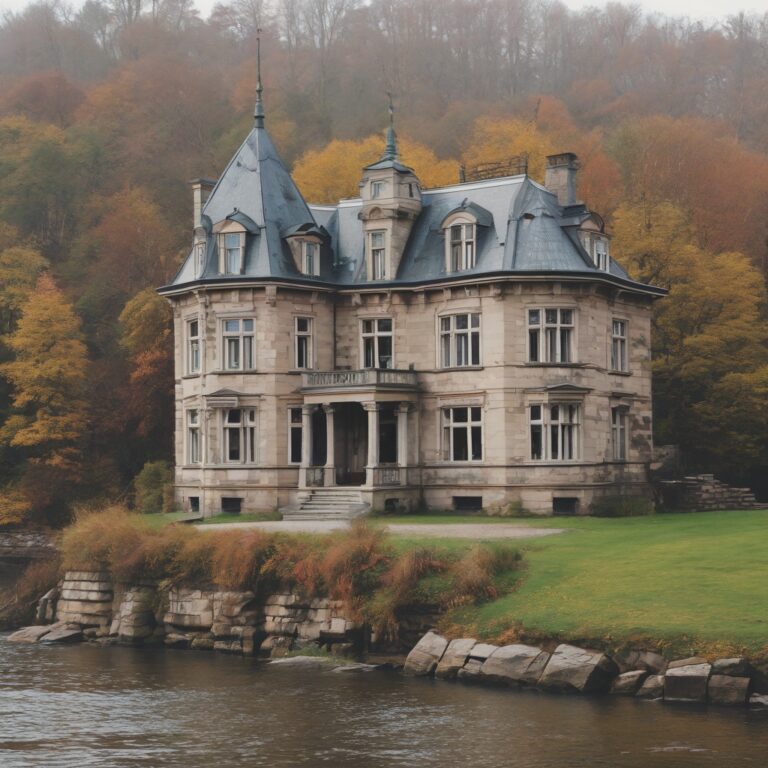
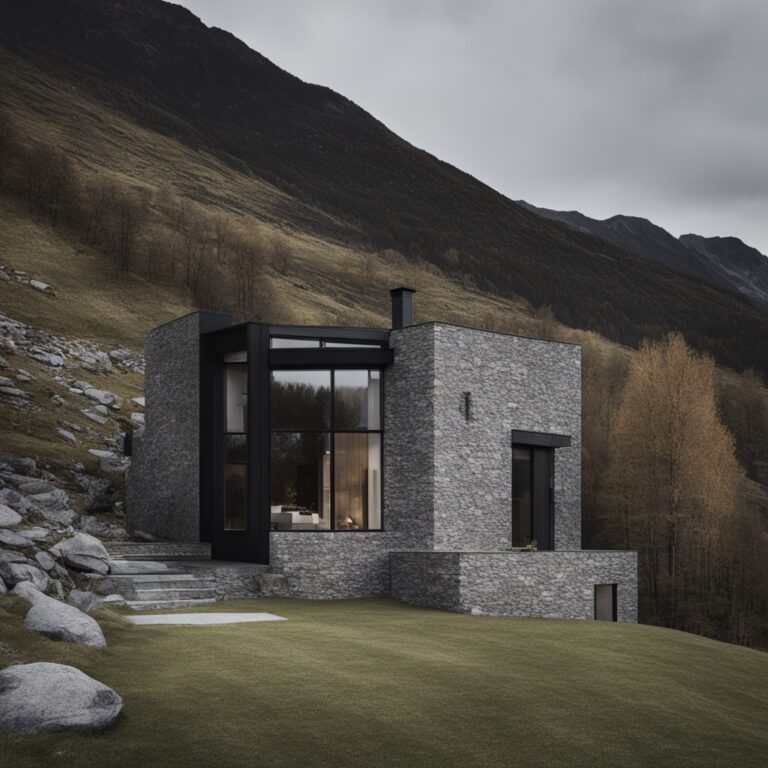
Data and its distribution define the generated art and design
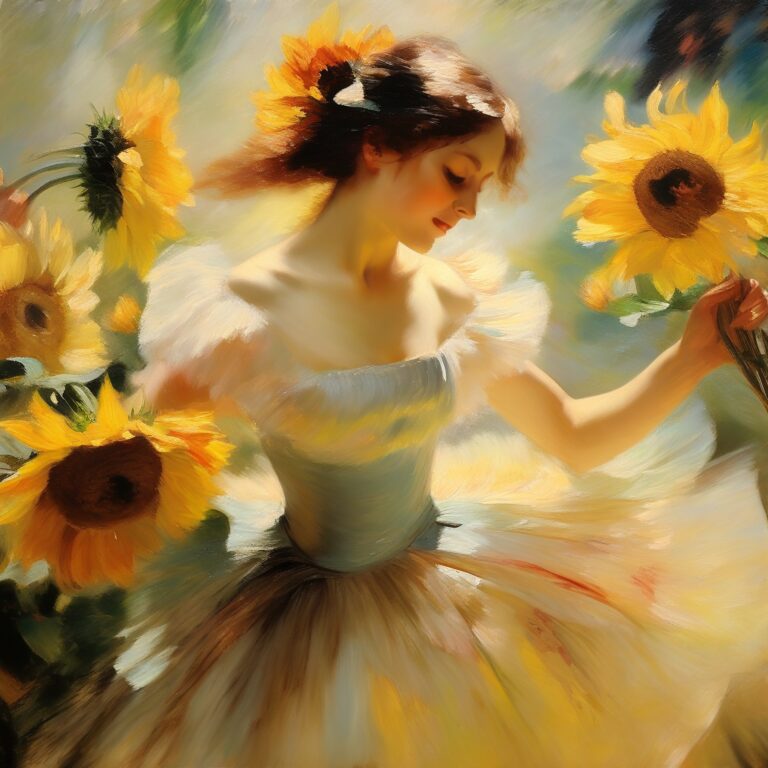
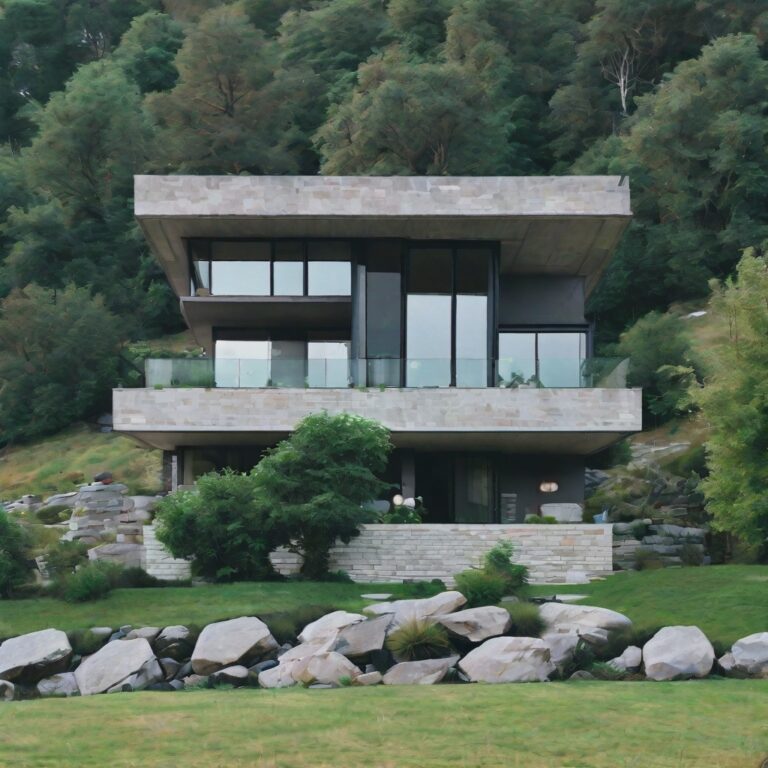
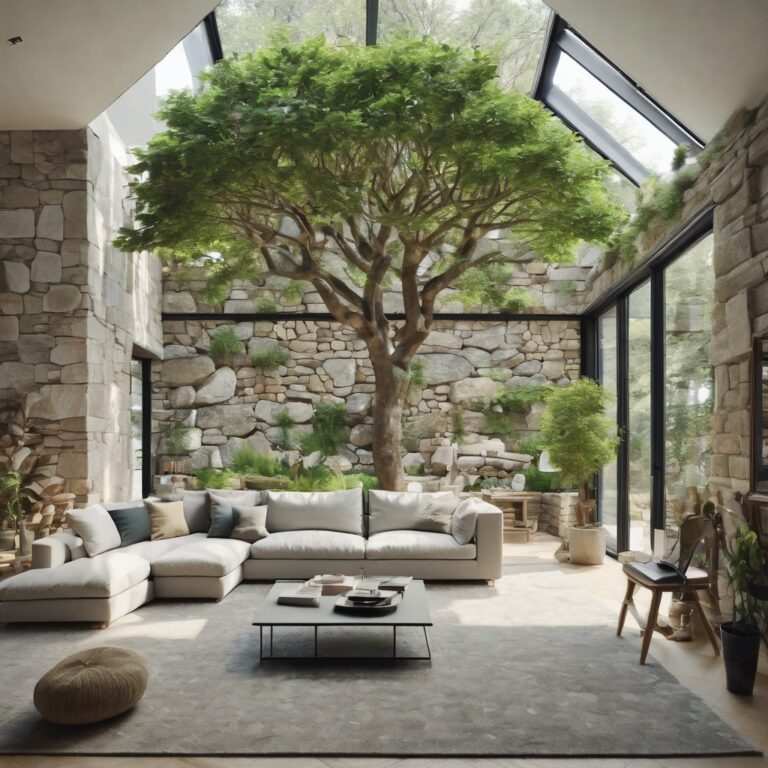
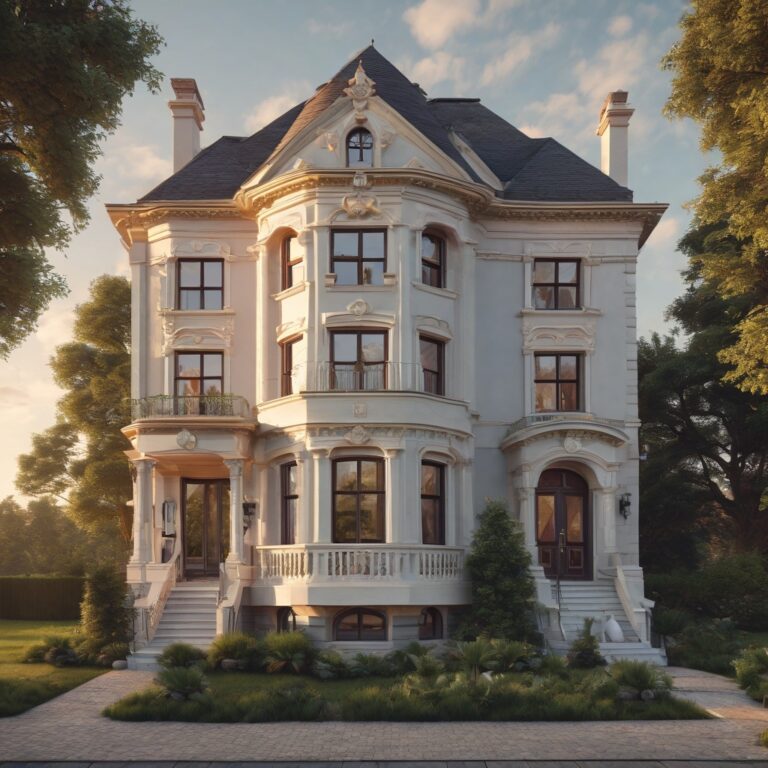
An important advantage of open, generative AI systems lies in their ability to enable new forms of artistic expression. By manipulating and reinterpreting data, they can generate unconventional aesthetic results and push traditional artistic boundaries.
Overall, open, generative AI systems offer an exciting opportunity to enrich and innovate the creative landscape. By providing artists with new tools and resources, they foster innovation, collaboration, and diversity, thus contributing to the advancement of art.
/ Open Architectures
/ No restrictions or limitations
Generated Images
Enrolled people










Dieser Beitrag ist auch verfügbar auf:
 English
  Deutsch (German)