Controlled Chaos: How Artists Turn Seeds and Randomness Into a Generative Art Practice
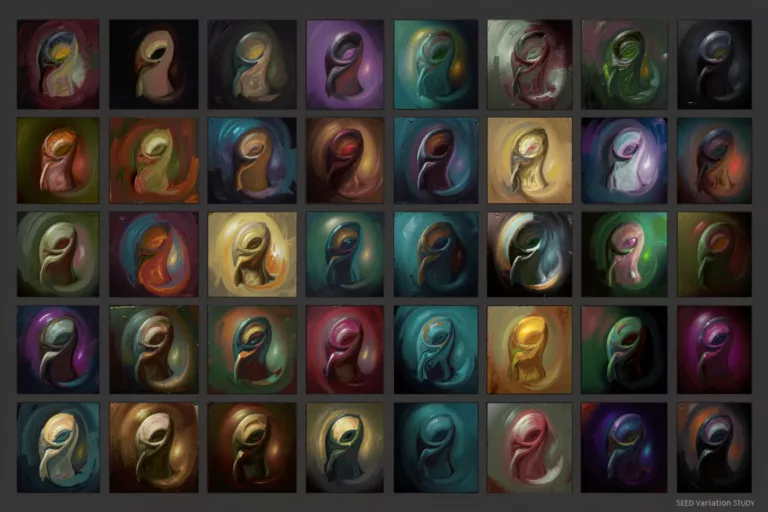
How generative artists tame the seed and randomness, using variation and ruthless curation to turn chance into authored art.
AI Based Art and Design
How generative artists tame the seed and randomness, using variation and ruthless curation to turn chance into authored art.
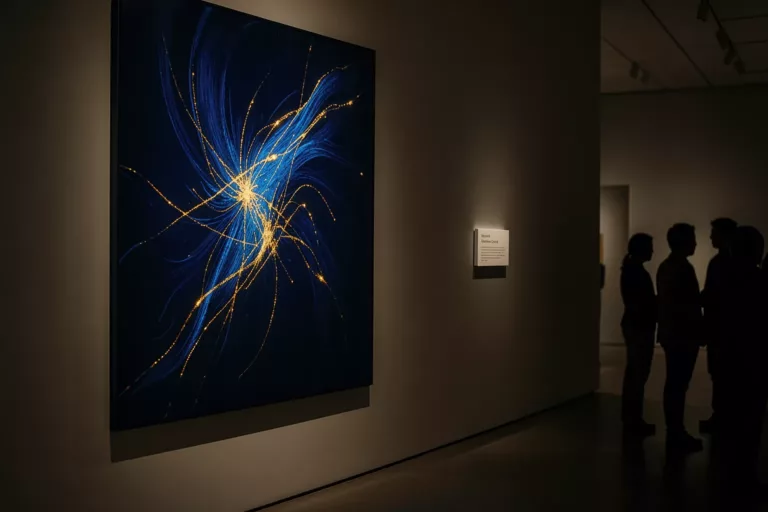
In 2026 the art world argues about transparency, not authorship. See how AI-disclosure rules now shape museums, auctions, galleries and prices.
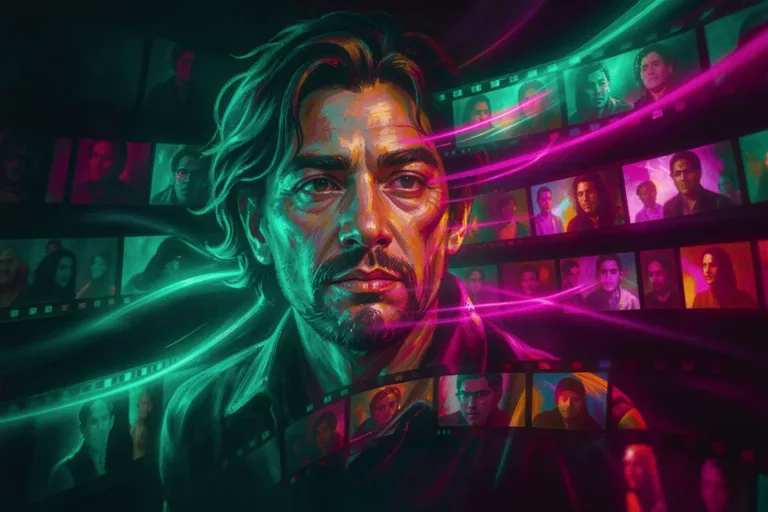
Generative AI is becoming a real motion medium. See how artists use keyframes, motion brushes, and the edit to compose moving art.
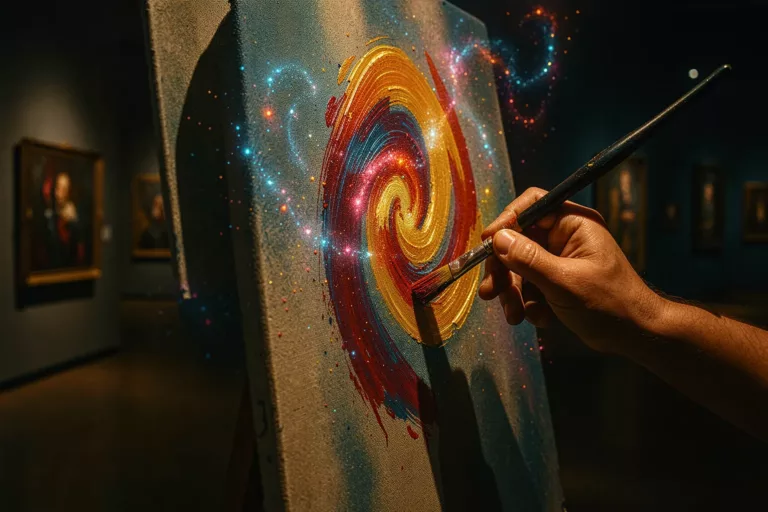
AI art is more capable than ever in 2026, yet collectors are paying a premium for unmistakably human-made work. Inside the year's authorship paradox.
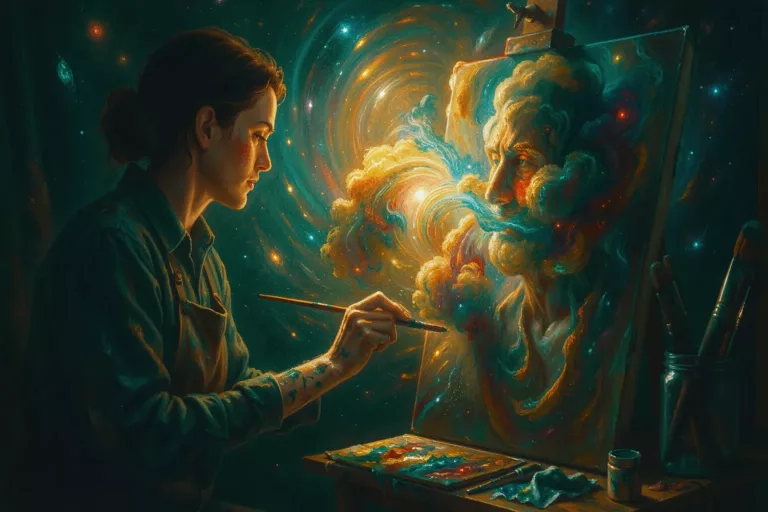
The one-shot prompt is only the opening move. Meet the hands-on craft of inpainting, img2img, and latent-space navigation that turns generative AI into a real medium.
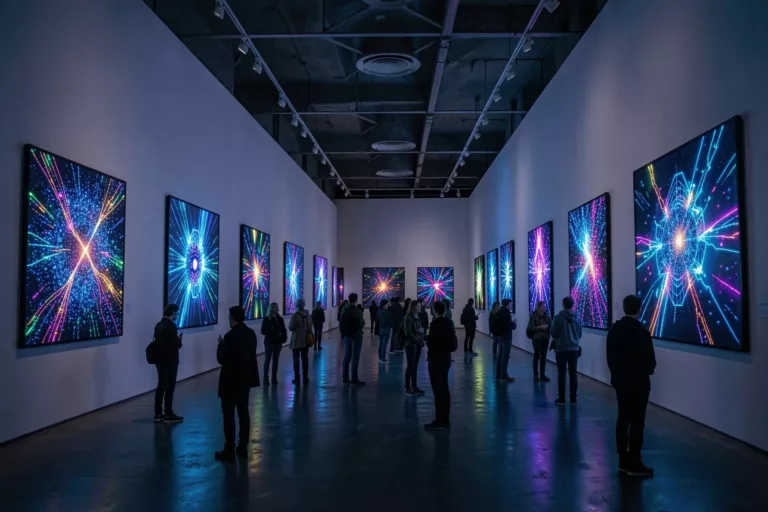
In 2026 AI art gained a dedicated museum and its first Art Basel section, moving the debate from legitimacy to belonging.
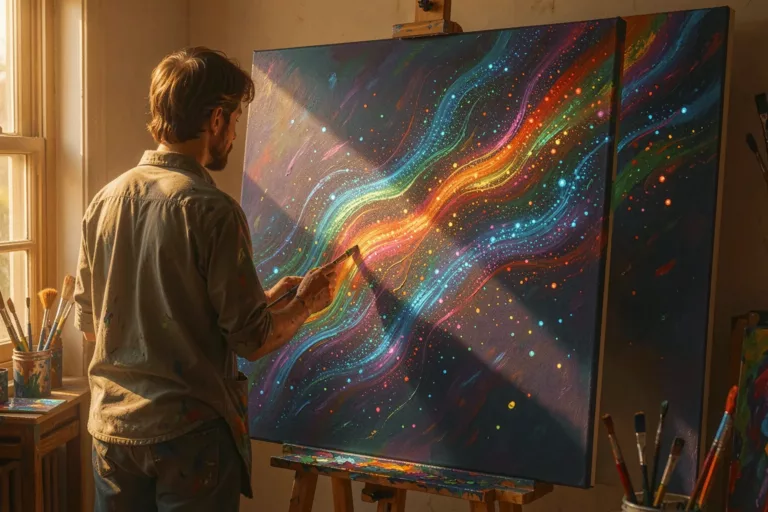
Artists are fine-tuning AI models on their own archives to build private, signature styles - turning generative art from a generic tool into a personal instrument.
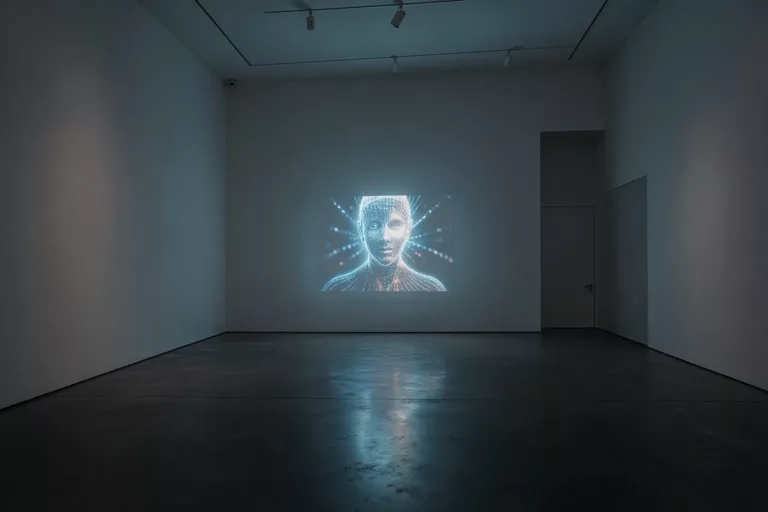
In 2026 the art world's biggest stage barely mentions AI. What the Venice Biennale's silence reveals about authorship, markets, and the real frontier.
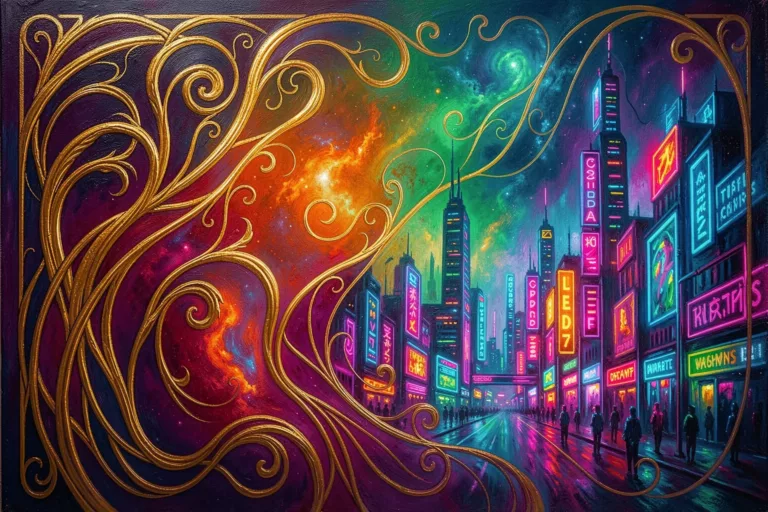
How AI artists use style-mixing, latent interpolation, and inpainting to fuse art movements into genuinely new work.
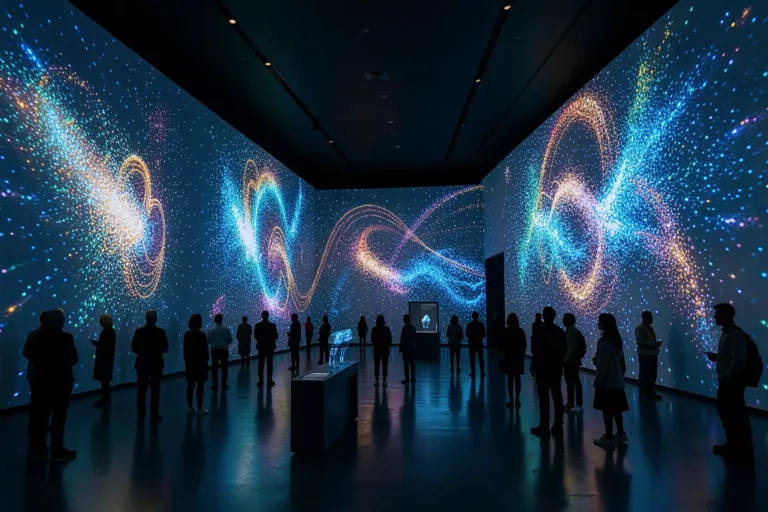
In 2026 AI art gets its own museums, splits galleries, and reignites the authorship debate. Inside contemporary art's institution-building moment.
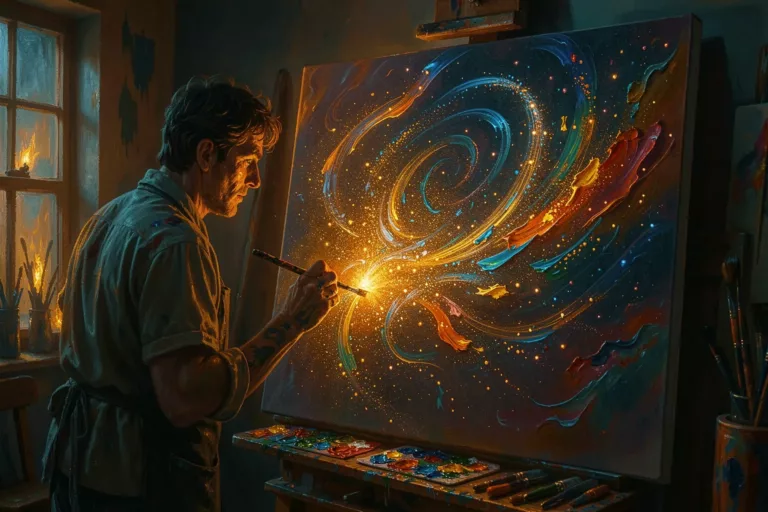
Serious artists treat generative AI as a material to steer, blend, and refine — not a prompt vending machine. Here is how AI art really gets made.
Generative AI has moved from the tech press to the exhibition wall. Here is how it is reshaping contemporary art, the debates it sparks, and why it is good news for creativity.

