Pitched, Not Bought: Why Galleries Resist AI in 2026
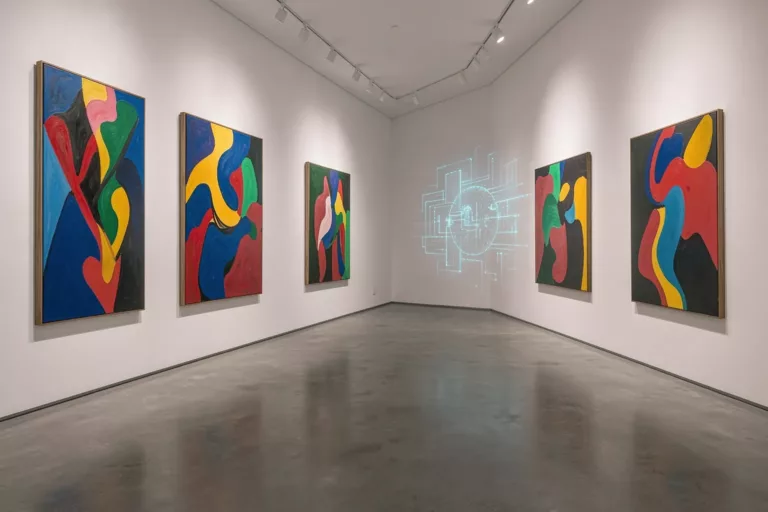
Vendors are racing to sell AI into the art market, but galleries keep it at the door. A 2026 survey shows where AI sticks — and where it stalls.
AI Based Art and Design
Vendors are racing to sell AI into the art market, but galleries keep it at the door. A 2026 survey shows where AI sticks — and where it stalls.
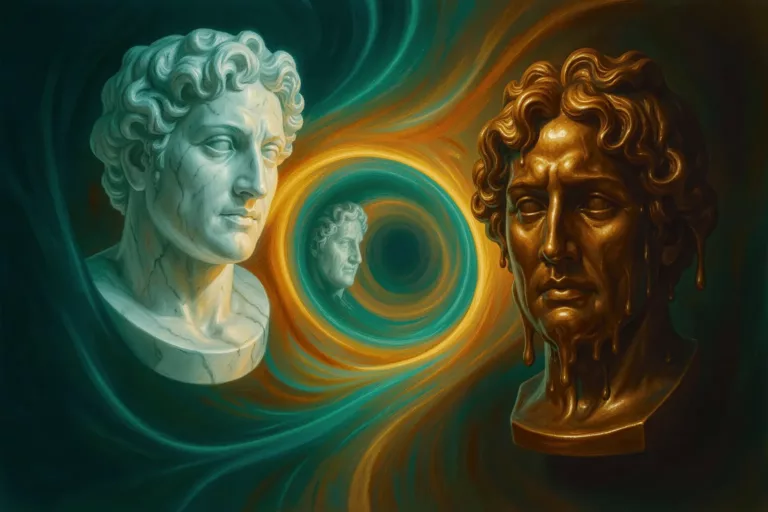
Every AI image is one point in a huge space. A latent walk crawls the path between points, morphing one idea into another—a technique, not a trick.
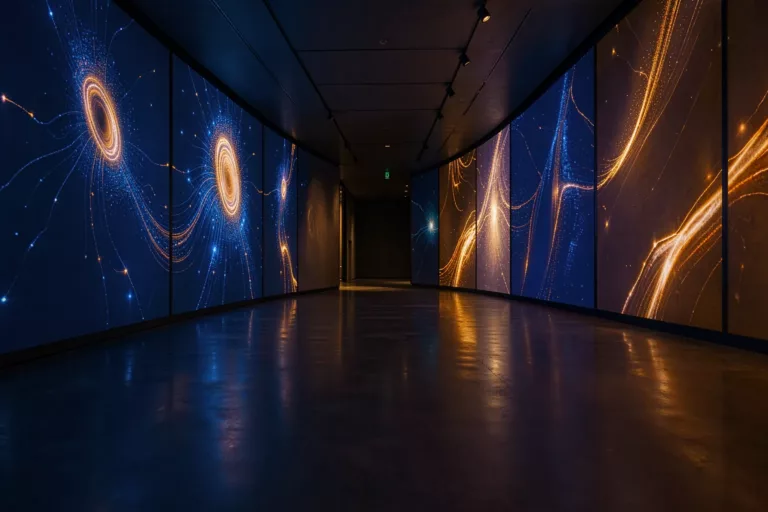
Art Basel Miami Beach caps a year of AI art milestones and fights. Here is where the medium really sits as the 2026 season closes.
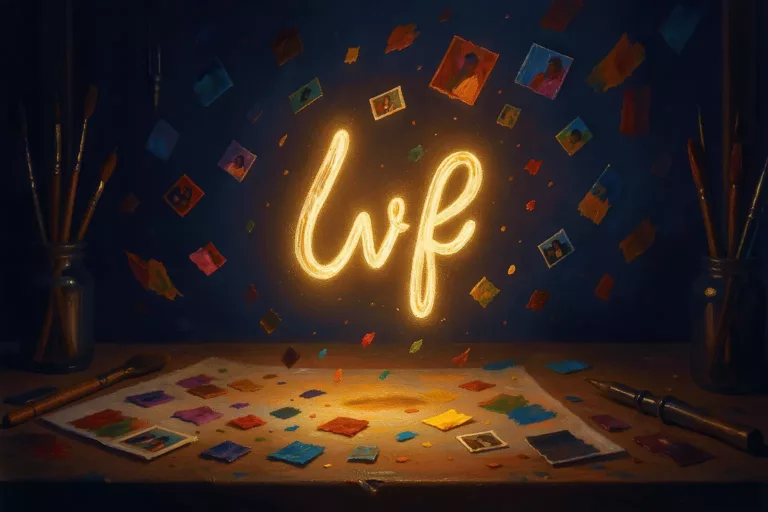
Textual inversion teaches an AI model one brand-new word, binding a concept you supply as a few images to a token you can reuse in any prompt.
A Goncourt removal, a 1,800-page AI dialogue, and Artprice's warning: 2026's art world is now fighting over who counts as the author.
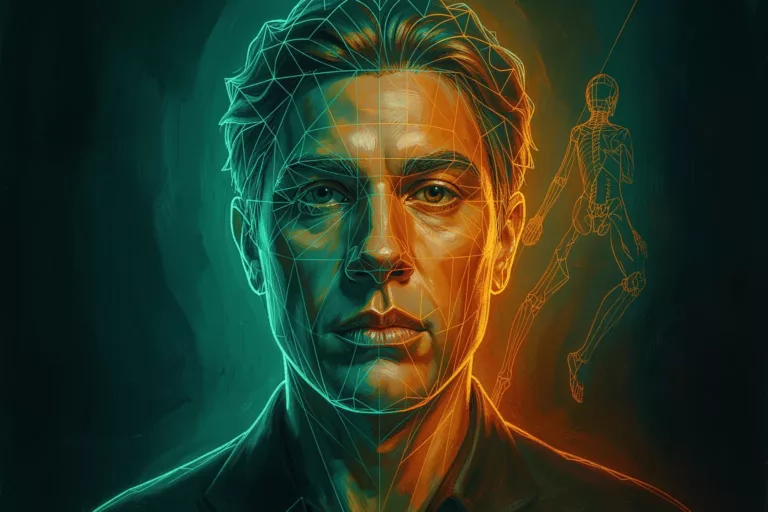
ControlNet lets artists feed a diffusion model an edge map, depth field, or pose skeleton, so you draw the composition and the machine fills the surface.
Collectors now ask how an AI piece was made, not just whether they like it. Inside the push to give AI art a verifiable provenance trail in 2026.

Prompt scheduling changes what a diffusion model reads mid-denoise. The [A:B:step] and [A|B] syntax lets artists morph, add and fuse concepts over time.

Legacy art prizes kept AI at arm's length for years. In 2026, juries are rewriting the rules and asking artists to prove who really made the work.
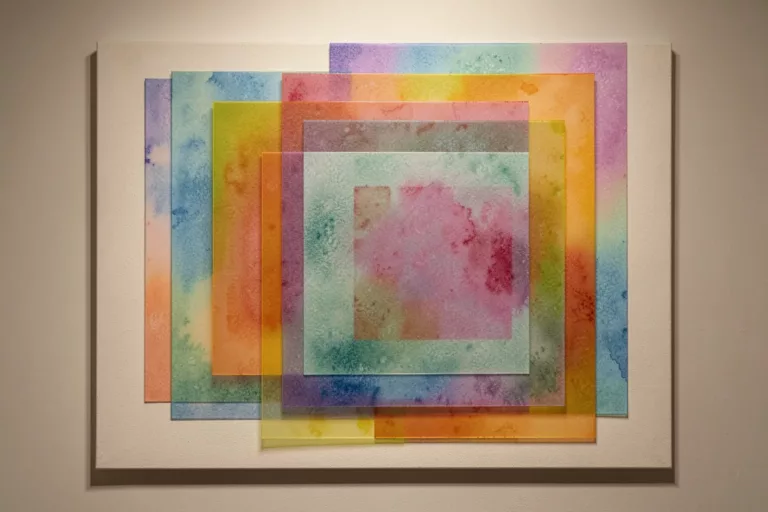
LoRAs are tiny adapter files that teach AI image models a specific style. How artists train and stack them to make their work look like a decision.
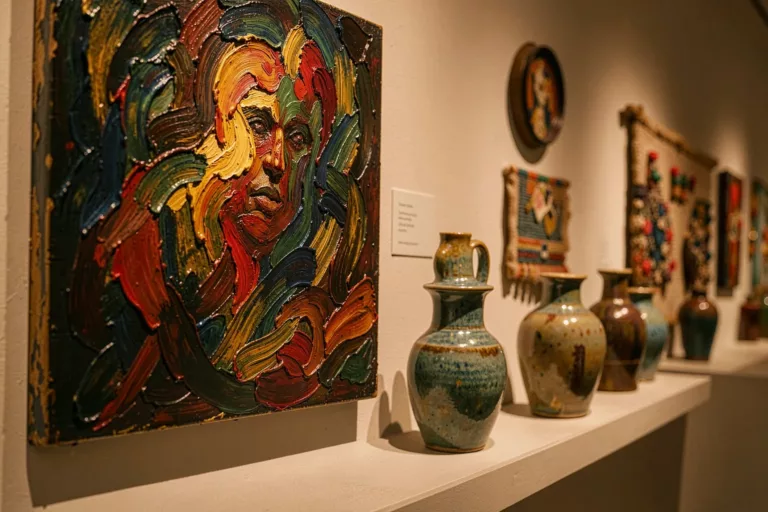
As AI image-making turns cheap and everywhere, 2026 collectors pay up for ceramics, weaving, and handmade work. Here's why craft became the market's hedge.
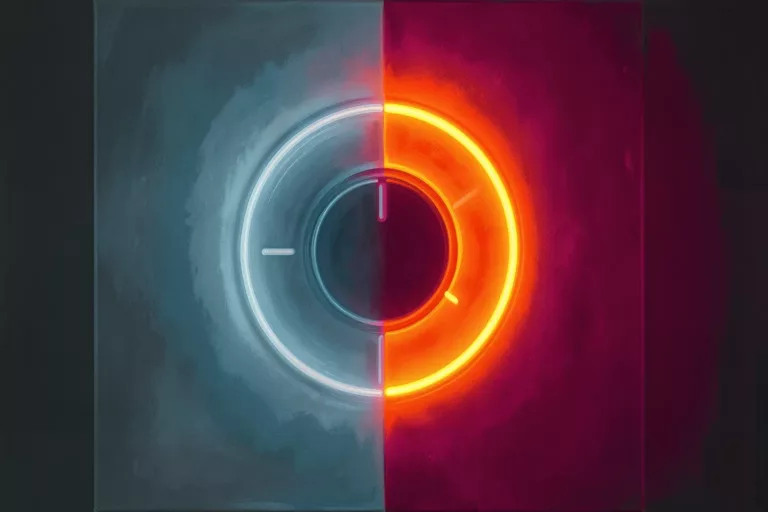
Guidance scale, or CFG, is the one dial that decides whether AI art obeys your prompt or improvises. Here is how to use it on purpose.

