The Decoder’s Signature: How the VAE Quietly Shapes AI Art
The VAE is the last step before you see an AI image, and it quietly controls color and fine detail. Here is what swapping it fixes, and what it cannot.
AI Based Art and Design

The VAE is the last step before you see an AI image, and it quietly controls color and fine detail. Here is what swapping it fixes, and what it cannot.
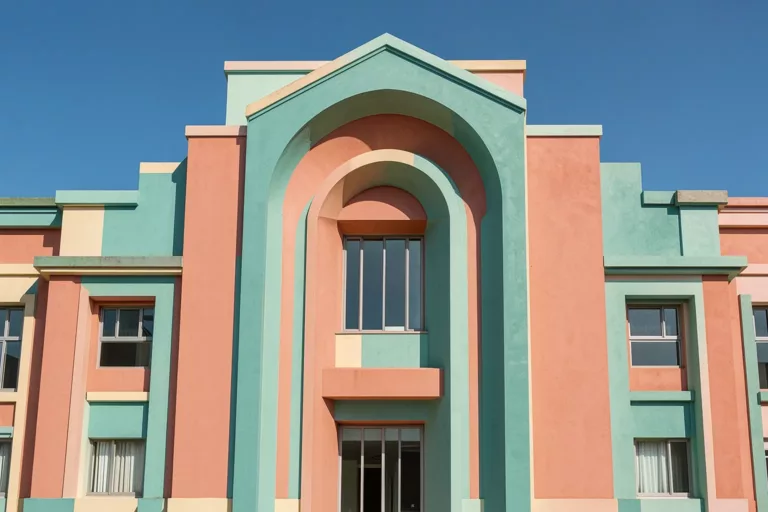
AI image models make postmodernism's jokes land again — color, quotation, the decorated shed. Where they nail Graves and Johnson, and where they fail.
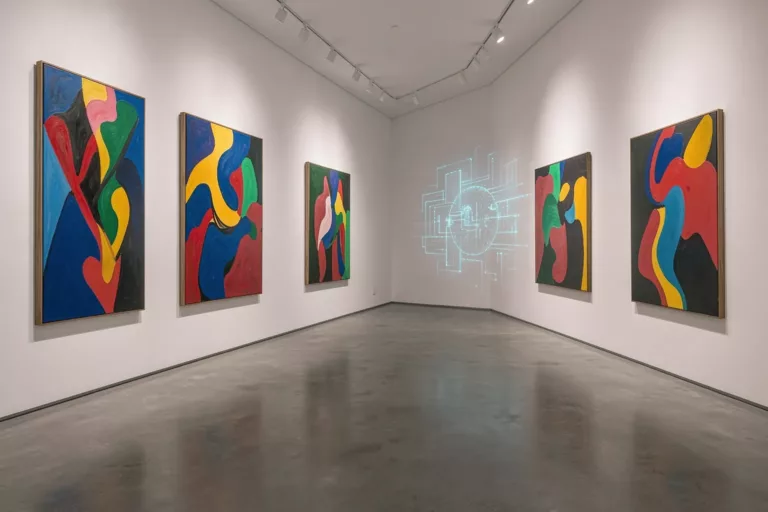
Vendors are racing to sell AI into the art market, but galleries keep it at the door. A 2026 survey shows where AI sticks — and where it stalls.
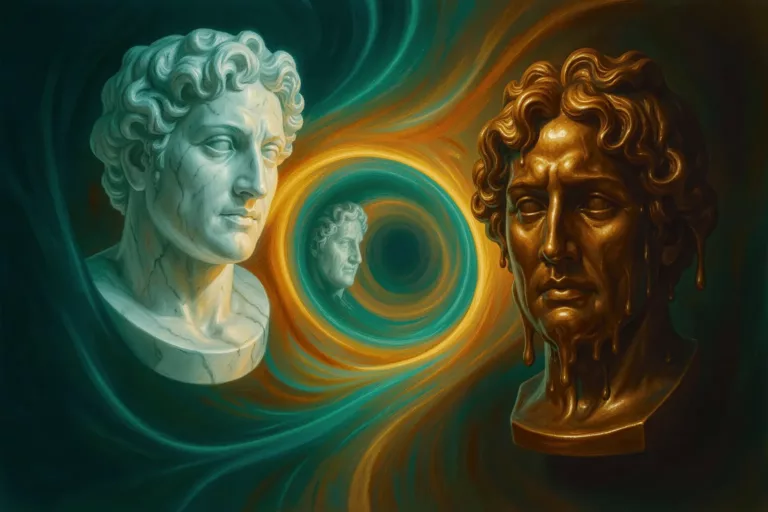
Every AI image is one point in a huge space. A latent walk crawls the path between points, morphing one idea into another—a technique, not a trick.
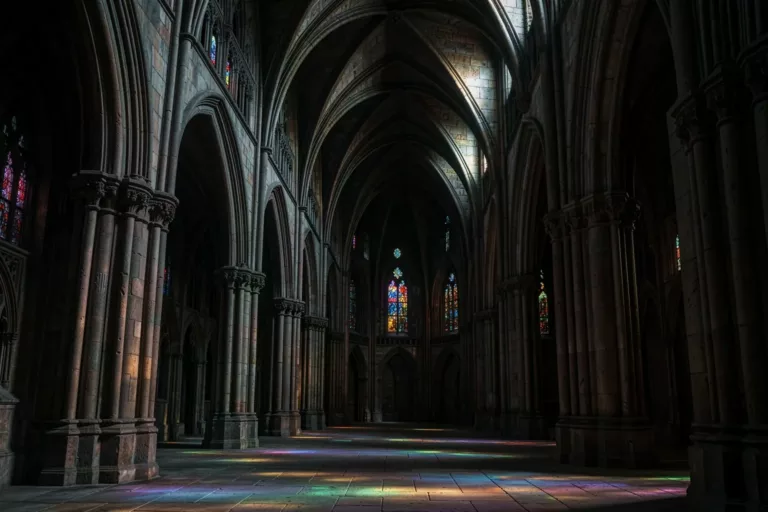
Image models reach for the Gothic by default. What AI gets right about Gothic Revival — ornament, scale, mood — and where the stone dissolves.
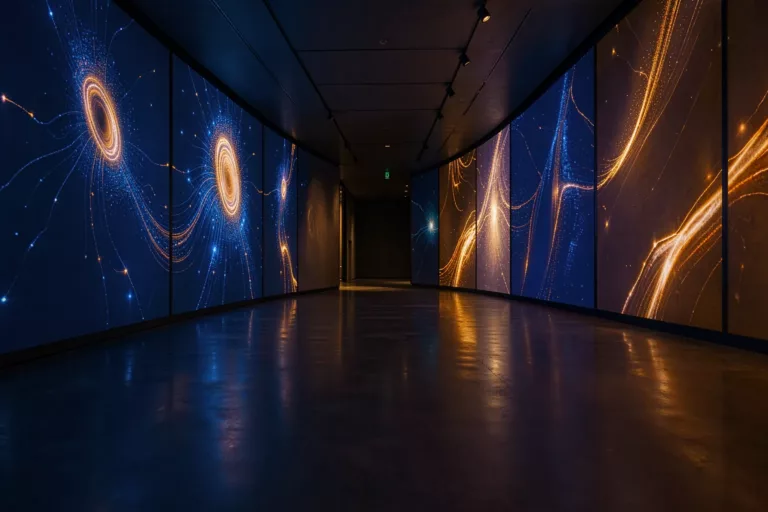
Art Basel Miami Beach caps a year of AI art milestones and fights. Here is where the medium really sits as the 2026 season closes.
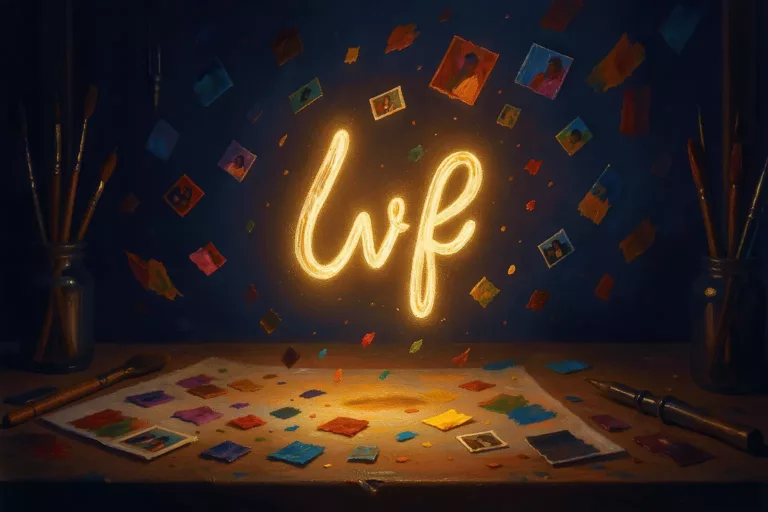
Textual inversion teaches an AI model one brand-new word, binding a concept you supply as a few images to a token you can reuse in any prompt.
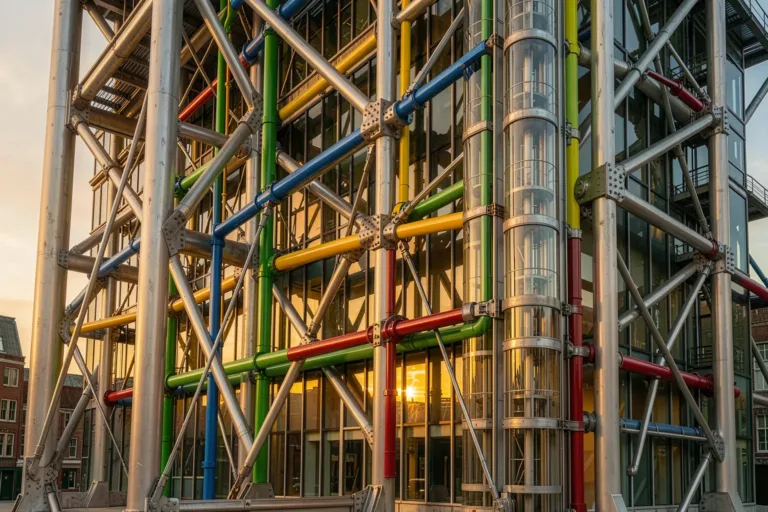
High-Tech architecture was built to show its real structure. A diffusion model fakes all of it — a very pretty, very dishonest lie.
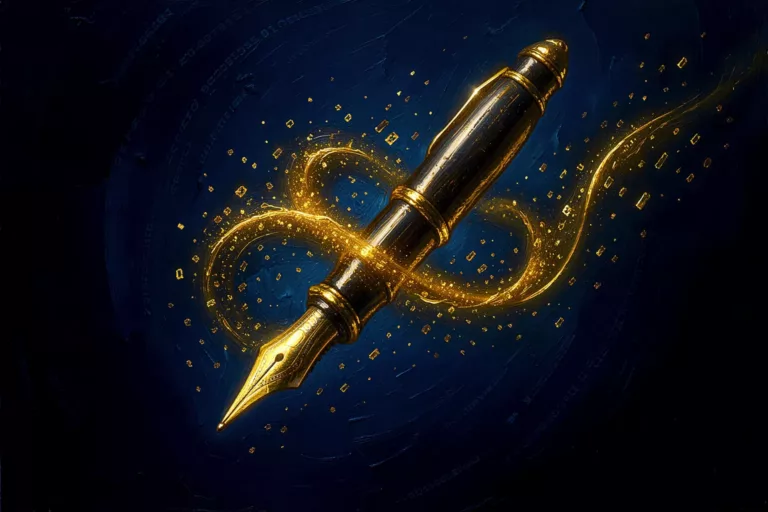
A Goncourt removal, a 1,800-page AI dialogue, and Artprice's warning: 2026's art world is now fighting over who counts as the author.
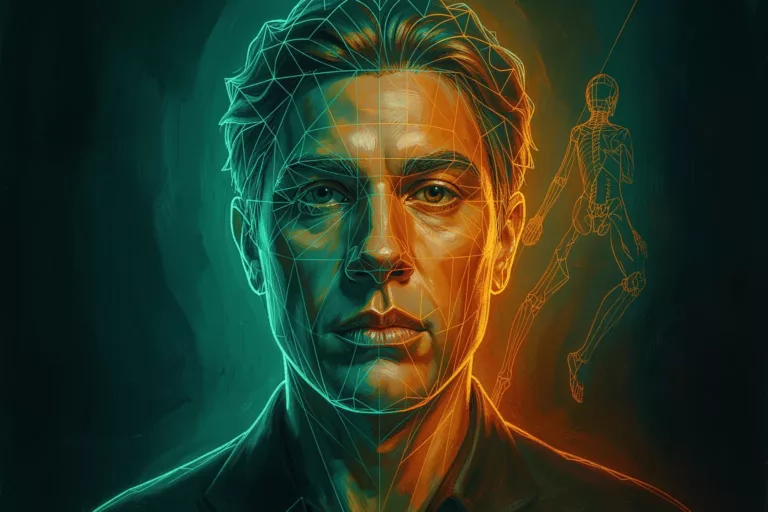
ControlNet lets artists feed a diffusion model an edge map, depth field, or pose skeleton, so you draw the composition and the machine fills the surface.

