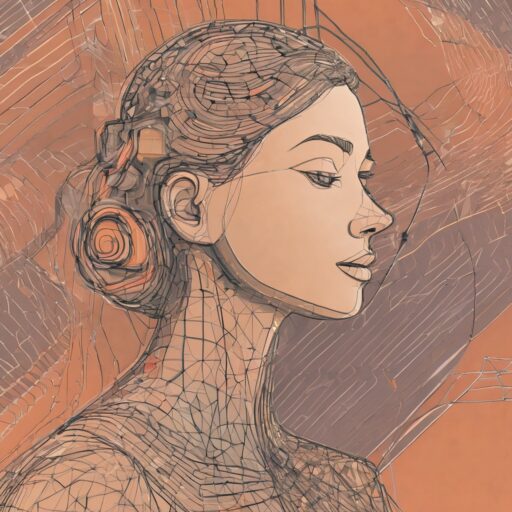
Type a prompt into an image model and you give up control the moment you hit enter. You asked for a figure facing left; it faces right. You wanted the horizon low; the model buried it two-thirds up the frame. Words are a blunt instrument for describing shape, pose, and placement. ControlNet is the tool that hands those decisions back to the artist.
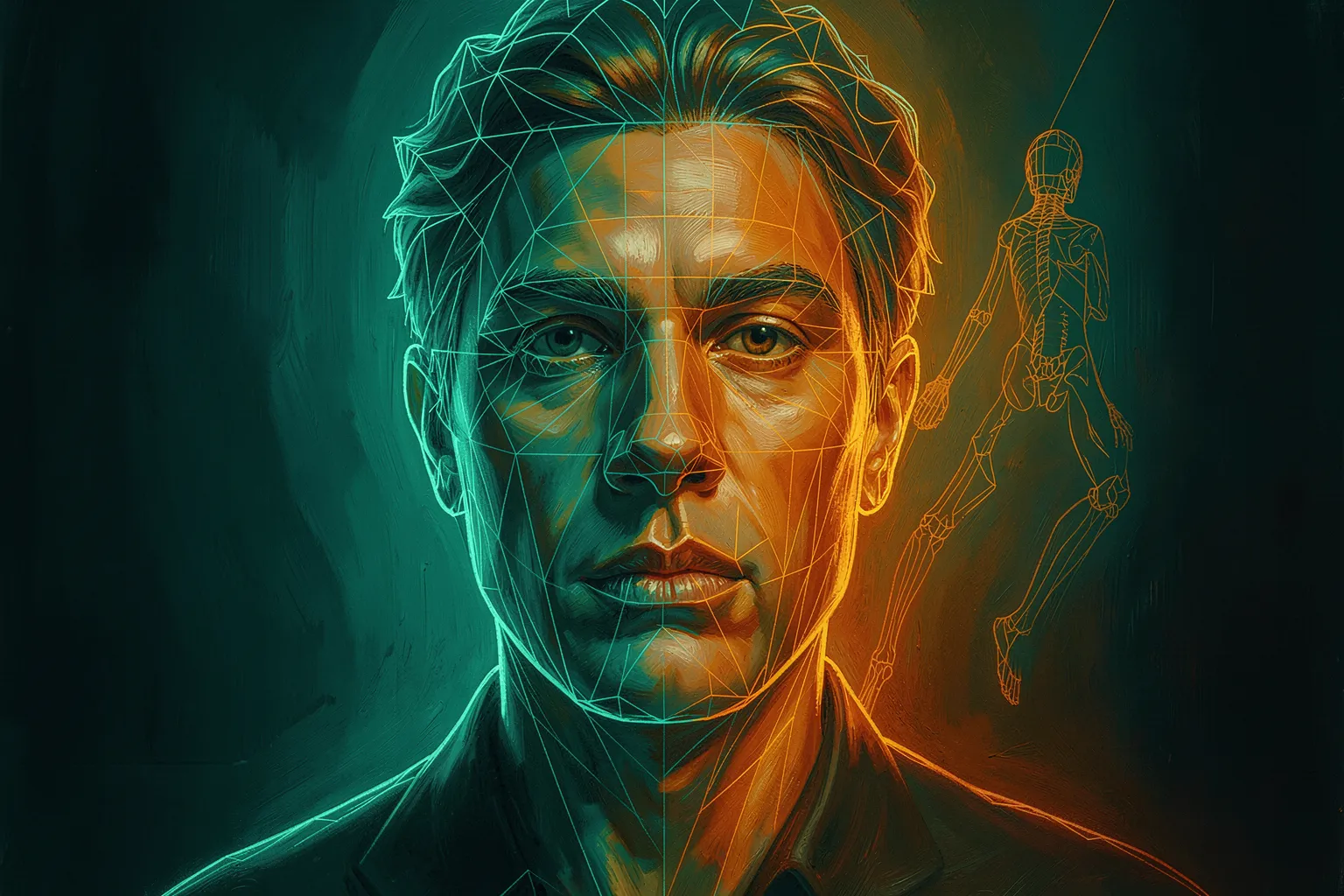
It works by feeding the model a second input alongside the text: a structural map. An edge drawing, a depth field, a stick-figure skeleton, a scribble. The model still invents the colors, textures, and style from your words, but it now has to respect the geometry you handed it. The prompt says what. The control map says where.
Where the method came from
Lvmin Zhang released ControlNet in February 2023, out of work he did at Stanford with Maneesh Agrawala. The paper was blunt about the problem it solved: diffusion models were great at generating and terrible at obeying. The trick was architectural. Instead of retraining a giant model from scratch, Zhang cloned the encoder of an existing one, froze the original weights, and trained only the copy on paired data — an image and its edge map, say. The two halves join through what he called zero-convolution layers, which start at zero and ramp up as training proceeds, so the base model never gets wrecked while it learns the new conditioning.
That design is why ControlNet spread so fast. You did not need a data center. People trained usable control models on a single consumer GPU over a weekend, and within months there were dozens — one for edges, one for human pose, one for depth, one for segmentation maps, one that turns a child’s scribble into a finished scene.
The ones artists actually reach for
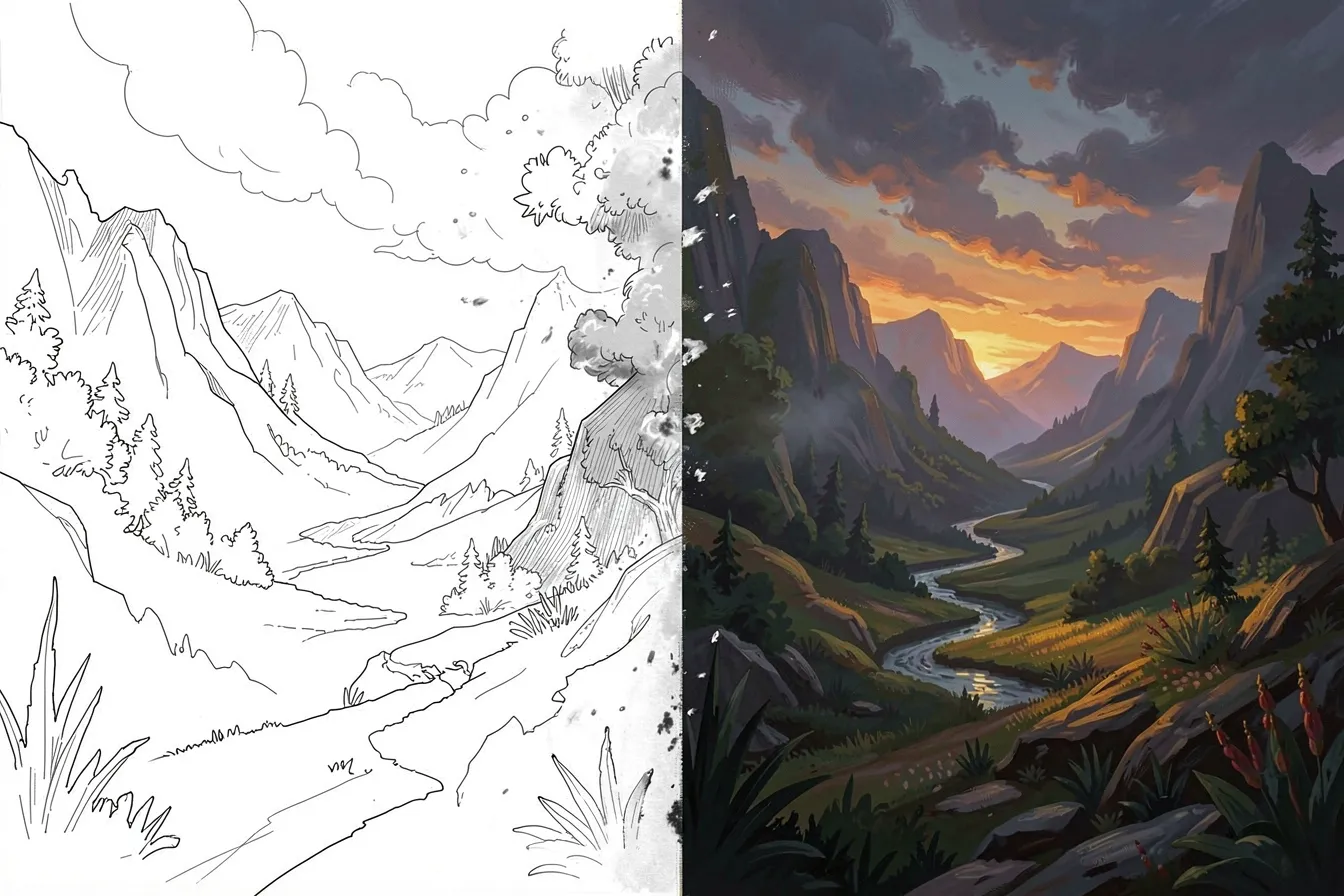
A handful do most of the work. Canny runs a classic edge-detection filter over a reference image and keeps the hard outlines — good when you want to preserve a composition exactly but repaint it in a new style. Depth reads near-and-far as a grayscale gradient, which lets you lock the spatial arrangement of a room or a landscape while swapping everything else. OpenPose extracts a skeleton from a photo of a person and reuses just the pose, so you can put a completely invented character in the exact stance you want. Scribble is the loosest: draw a crude shape, and the model treats your lines as a suggestion rather than a cage.
The practical difference matters. Canny is strict and will fight you if your prompt wants something the outlines forbid. Depth is forgiving about detail but firm about layout. Pose ignores everything except the body. Knowing which map constrains which property is most of the skill.
What it changed about the work
Before ControlNet, steering a diffusion model meant rolling the dice and rerolling. You generated forty images hoping one landed the composition, then inpainted the rest into shape. It was slow and it felt like gambling. ControlNet turned that into something closer to drawing. Sketch the layout, feed it in, and the model fills your structure instead of improvising its own.
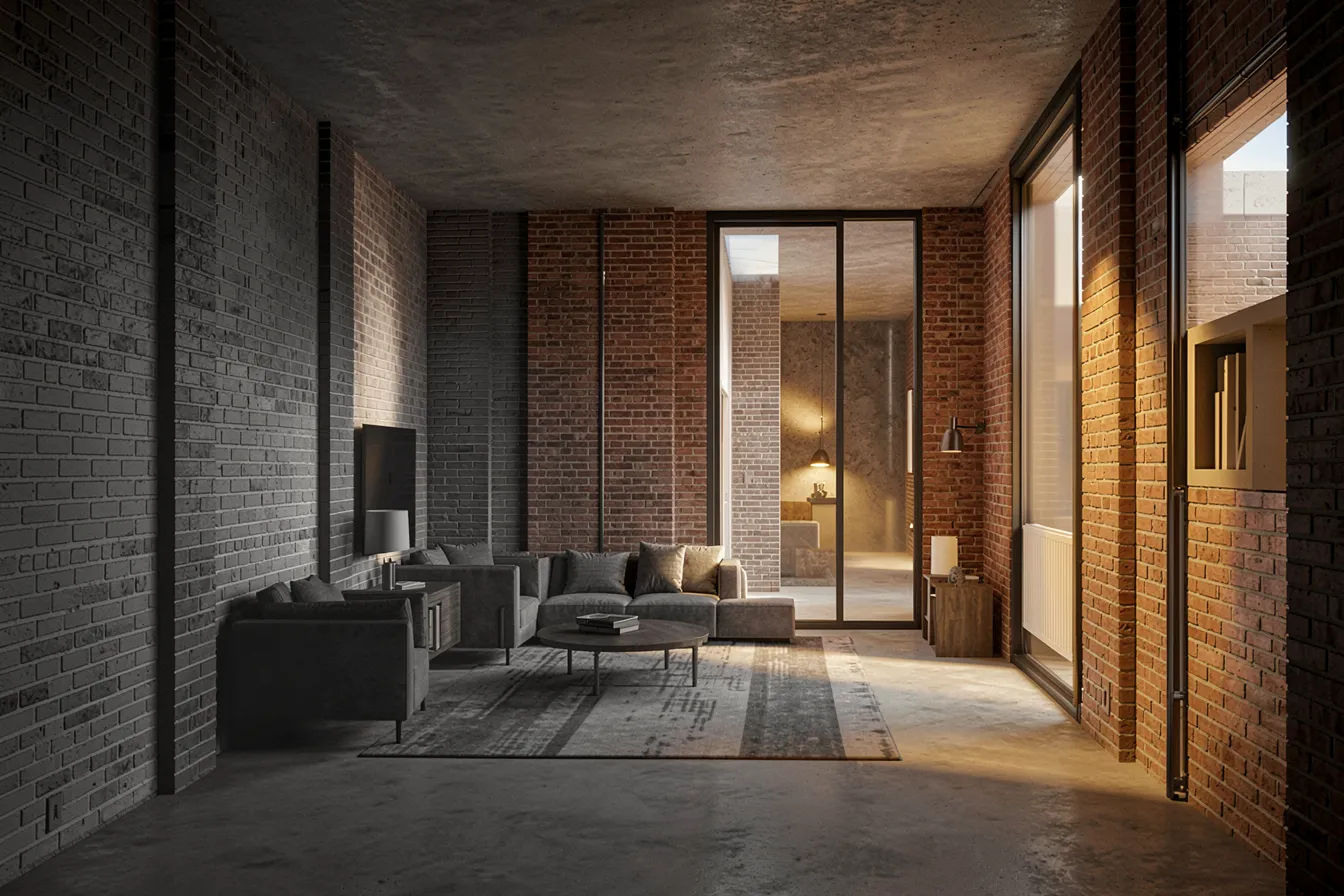
Illustrators use it to keep a character consistent across a sequence of panels — same pose reference, different prompts, and the figure stays put. Concept artists photograph a rough clay maquette, pull a depth map off it, and render fifty material variations on that exact form in an afternoon. Architectural visualizers trace a massing study and let the model clothe it in brick, glass, or concrete without moving a single wall. The common thread: the human owns the composition, the machine owns the surface.
The tension it introduced
Here is where it gets interesting, and a little uncomfortable. ControlNet made AI image-making feel more authorial — you are drawing again, not just typing — but it also made it easier to launder someone else’s composition. Feed in a famous photograph as a Canny reference and you can reproduce its exact framing under a different style, which sits in a murky zone legally and ethically. The tool does not care whether the edge map came from your own sketch or from a copyrighted shot. That is a choice the artist makes, and some make it badly.
There is a craft cost too. Overdo the conditioning strength and your output looks traced — stiff, lifeless, obviously copied. Set it too low and the control map does nothing. The good work lives in the middle, where you give the model a frame and still leave it room to surprise you. Plenty of early ControlNet output failed exactly there: technically obedient, creatively dead.
Where it sits now
Newer base models have absorbed some of what ControlNet did — the better ones follow spatial instructions in plain language far more reliably than the 2023 generation did. But structural conditioning has not gone away, because a sentence still cannot specify a pose the way a skeleton can, or a layout the way a depth map can. The descendants kept coming: tile models for upscaling, reference models that carry style from one image to another, control adapters built for the newest architectures.
The deeper point is that ControlNet reframed what these tools are. A pure text-to-image model is a slot machine with a vocabulary. Add structural control and it becomes an instrument you play — one where your hand on the composition is the thing that makes the result yours rather than the model’s. For anyone who cares about authorship in AI art, that shift from describing to directing is the whole game.
Want to see structural control in action across different styles? Explore more at ai-art-designer.com and try steering a composition of your own.
Images: AI-Designed
Dieser Beitrag ist auch verfügbar auf:
 English