Before Miami: Where AI Art Actually Stands as 2026 Closes
Art Basel Miami Beach caps a year of AI art milestones and fights. Here is where the medium really sits as the 2026 season closes.
AI Based Art and Design
Art Basel Miami Beach caps a year of AI art milestones and fights. Here is where the medium really sits as the 2026 season closes.
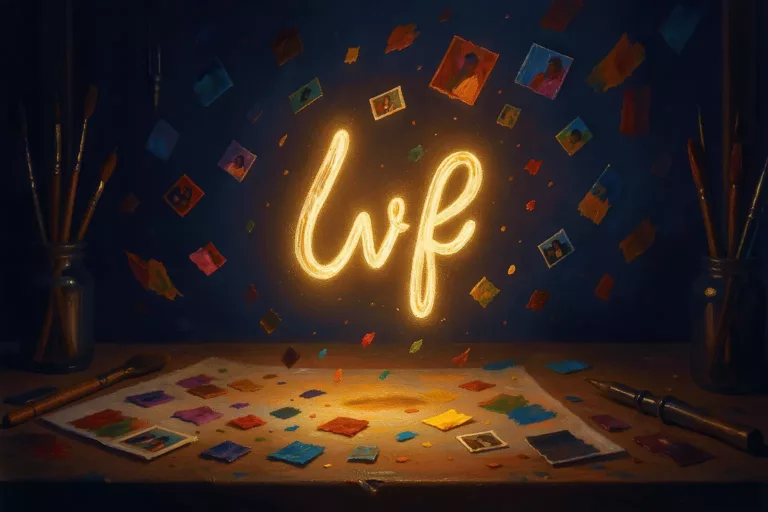
Textual inversion teaches an AI model one brand-new word, binding a concept you supply as a few images to a token you can reuse in any prompt.
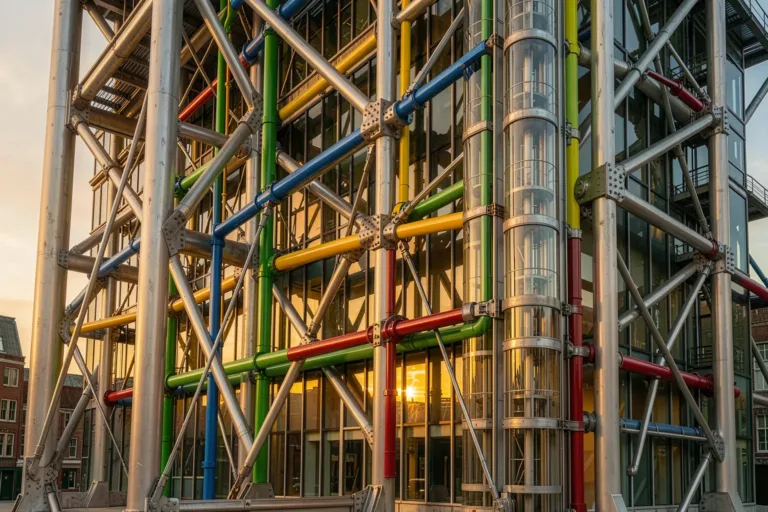
High-Tech architecture was built to show its real structure. A diffusion model fakes all of it — a very pretty, very dishonest lie.
A Goncourt removal, a 1,800-page AI dialogue, and Artprice's warning: 2026's art world is now fighting over who counts as the author.
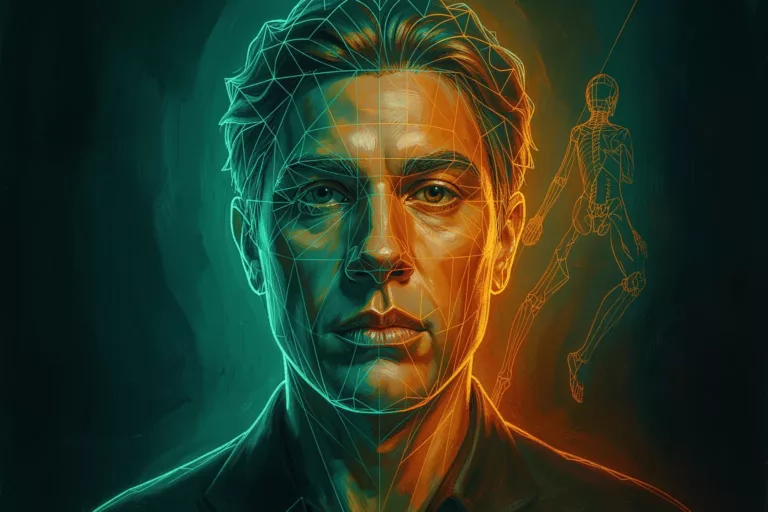
ControlNet lets artists feed a diffusion model an edge map, depth field, or pose skeleton, so you draw the composition and the machine fills the surface.
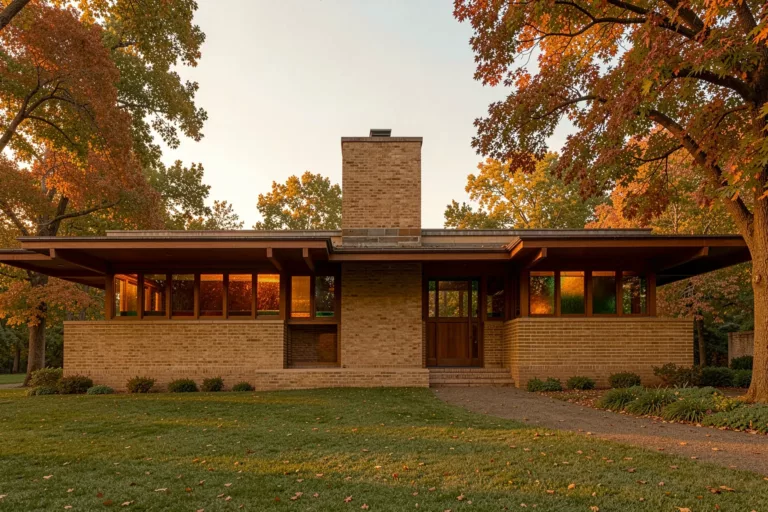
Text-to-image models nail Prairie School warmth and proportion, then fumble its structural logic and sense of place. A look at what AI gets right about Frank Lloyd Wright.
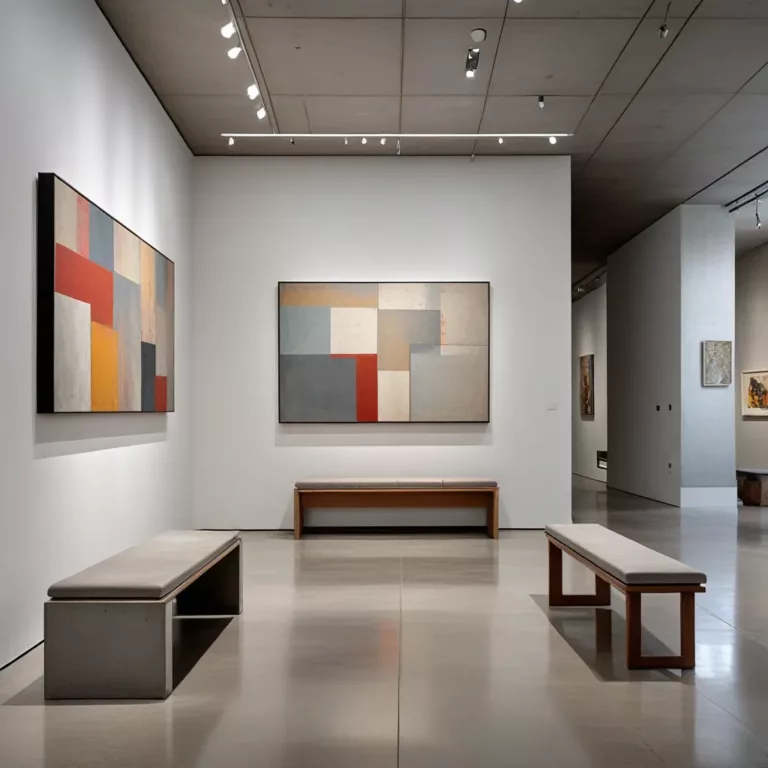
Collectors now ask how an AI piece was made, not just whether they like it. Inside the push to give AI art a verifiable provenance trail in 2026.

Prompt scheduling changes what a diffusion model reads mid-denoise. The [A:B:step] and [A|B] syntax lets artists morph, add and fuse concepts over time.
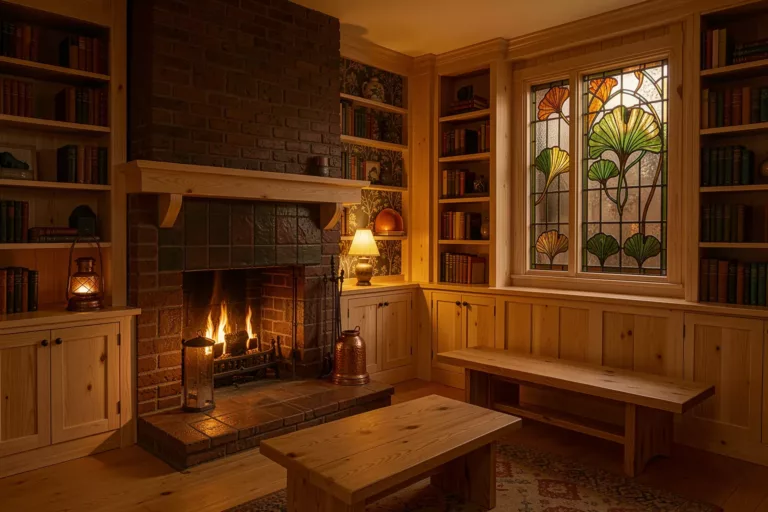
The Arts and Crafts movement fought the machine. Now AI renders its hand-planed oak, Morris wallpaper and copper hardware—beautifully, up to a point.
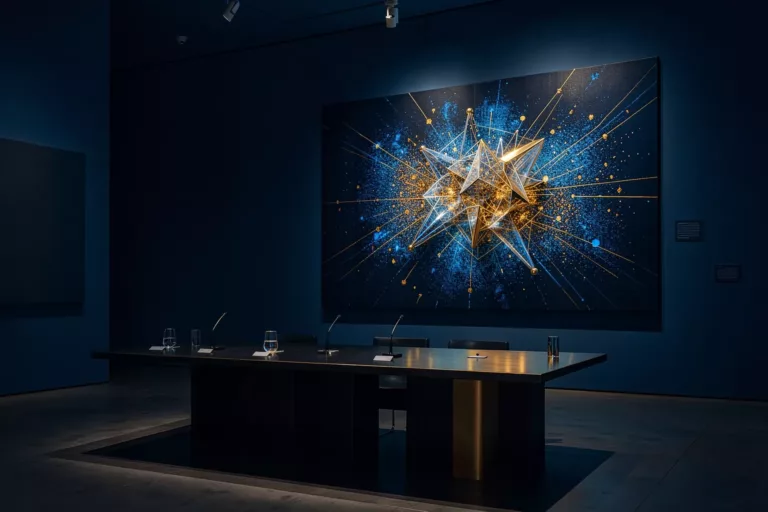
Legacy art prizes kept AI at arm's length for years. In 2026, juries are rewriting the rules and asking artists to prove who really made the work.
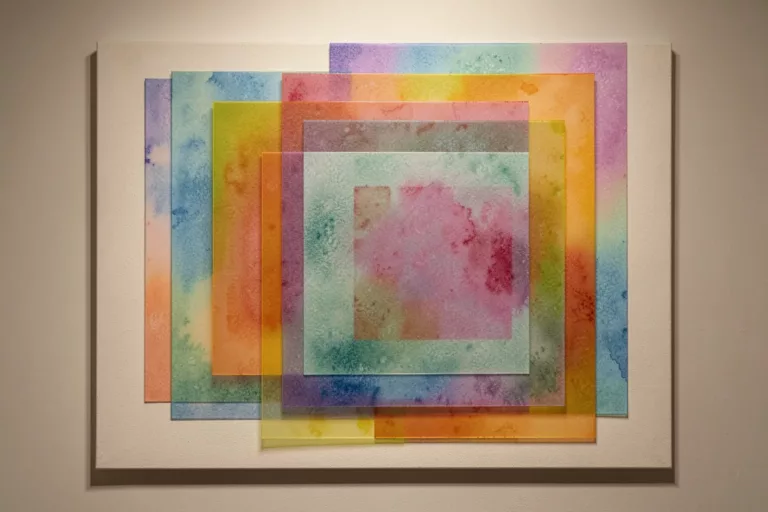
LoRAs are tiny adapter files that teach AI image models a specific style. How artists train and stack them to make their work look like a decision.
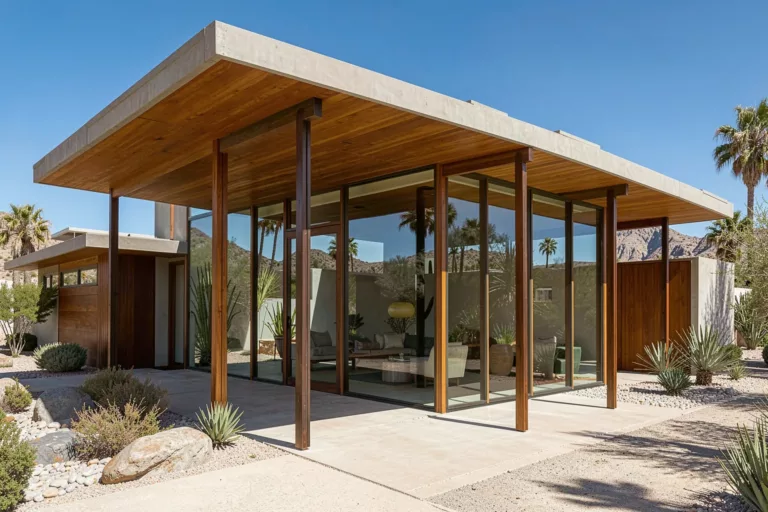
AI renders mid-century modern fluently but averages it into cliche. Where it fails, and how to pull honest Eames-era design out of an image model.

