
Art Basel Miami Beach opens in early December, and the fair always doubles as a scoreboard. Dealers talk up the year, collectors compare notes, and the press files its “state of the market” pieces. So here’s a fair question to ask before everyone flies to Florida: after twelve busy months, where does AI art actually stand?
Not where the hype said it would a year ago. And not where the skeptics wanted it either. The honest answer sits in between, and it’s more interesting than either camp admits.
The year it got an address
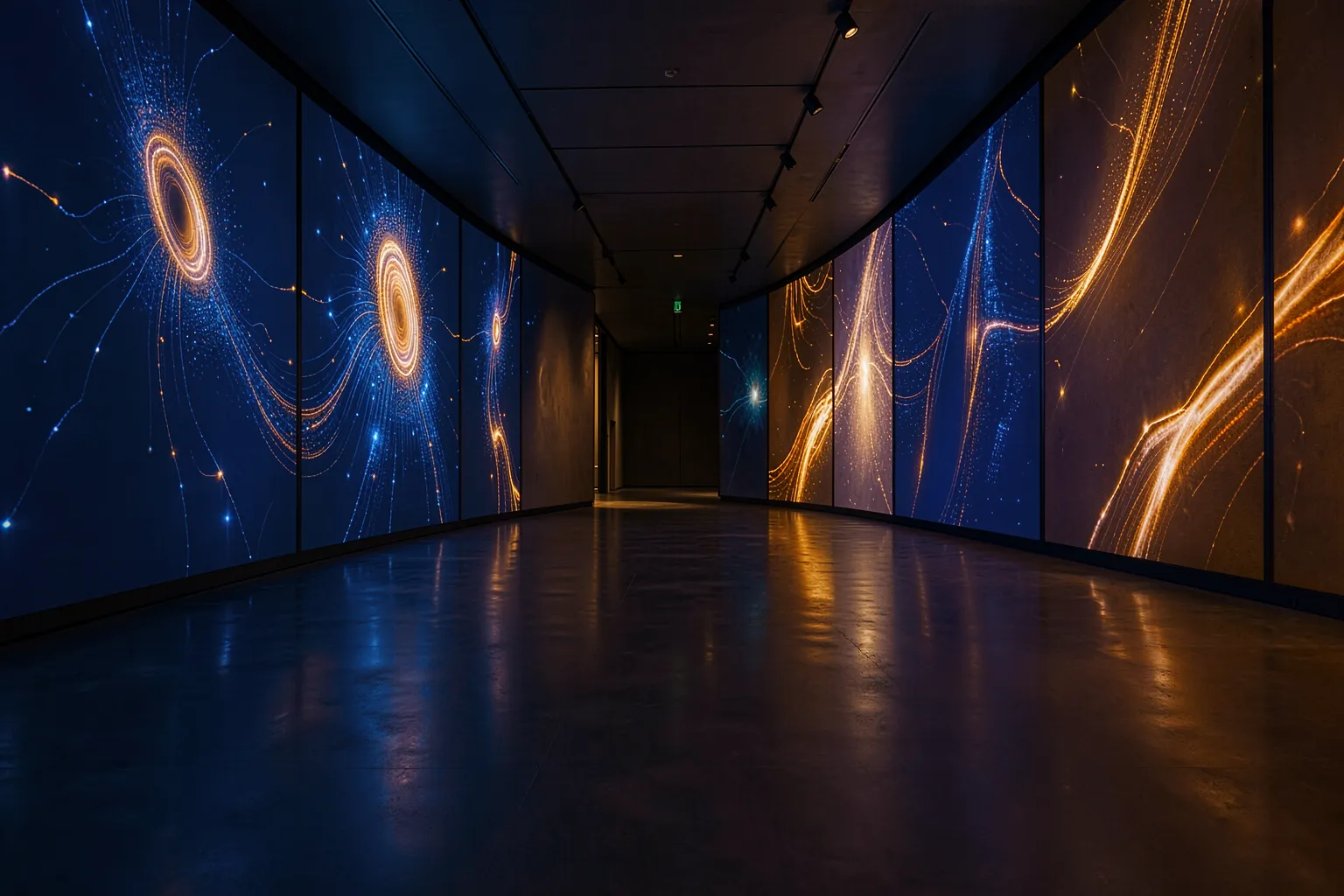
The single biggest shift in 2026 was physical. Refik Anadol opened DATALAND in Los Angeles in June, the first museum built specifically for AI and data art, and its opening show, “Machine Dreams: Rainforest,” ran through the autumn. A dedicated building changes the conversation. You can argue with a JPEG. It’s harder to argue with a 20,000-square-foot institution that people queue to enter.
Anadol himself landed on the TIME100 this year, which tells you the establishment stopped treating AI art as a novelty act. Museums that spent 2024 and 2025 holding the work at arm’s length started commissioning it, or at least programming it. The Uffizi and other heritage institutions leaned on machine learning for restoration and cataloguing, not canvas-making, but the line between “AI in the museum” and “AI as the art” blurred fast once the tools were in the building.
The market stayed skeptical, and said so with money
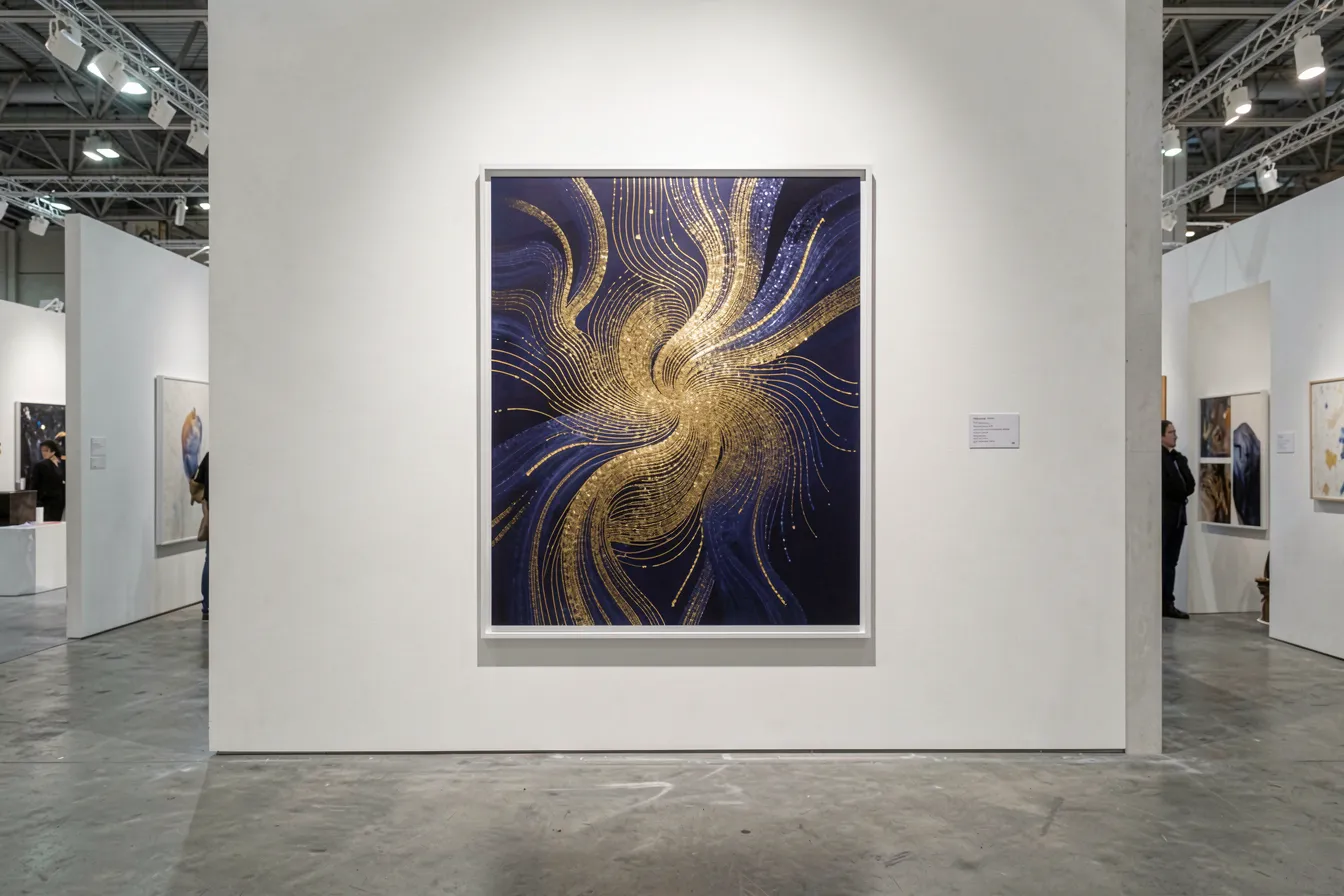
Here’s the part the boosters skip. Auction results for purely AI-generated work remained thin in 2026. The headline sales, the records that make the year-end summaries, went to the usual suspects: blue-chip modern and contemporary names, with a handful of digital pieces attached to big reputations. A gallery survey earlier in the year pegged the share of dealers actively selling AI art in the single digits, and that number barely moved.
Why? Collectors buy scarcity and story. A model that can spit out a thousand variations fights both instincts at once. The artists who sold well this year were the ones who solved that problem, usually by making the process visible and the output singular: fine-tuning a model on their own archive, printing at a scale that demanded craft, signing editions that were genuinely limited. The medium didn’t sell. The authorship did.
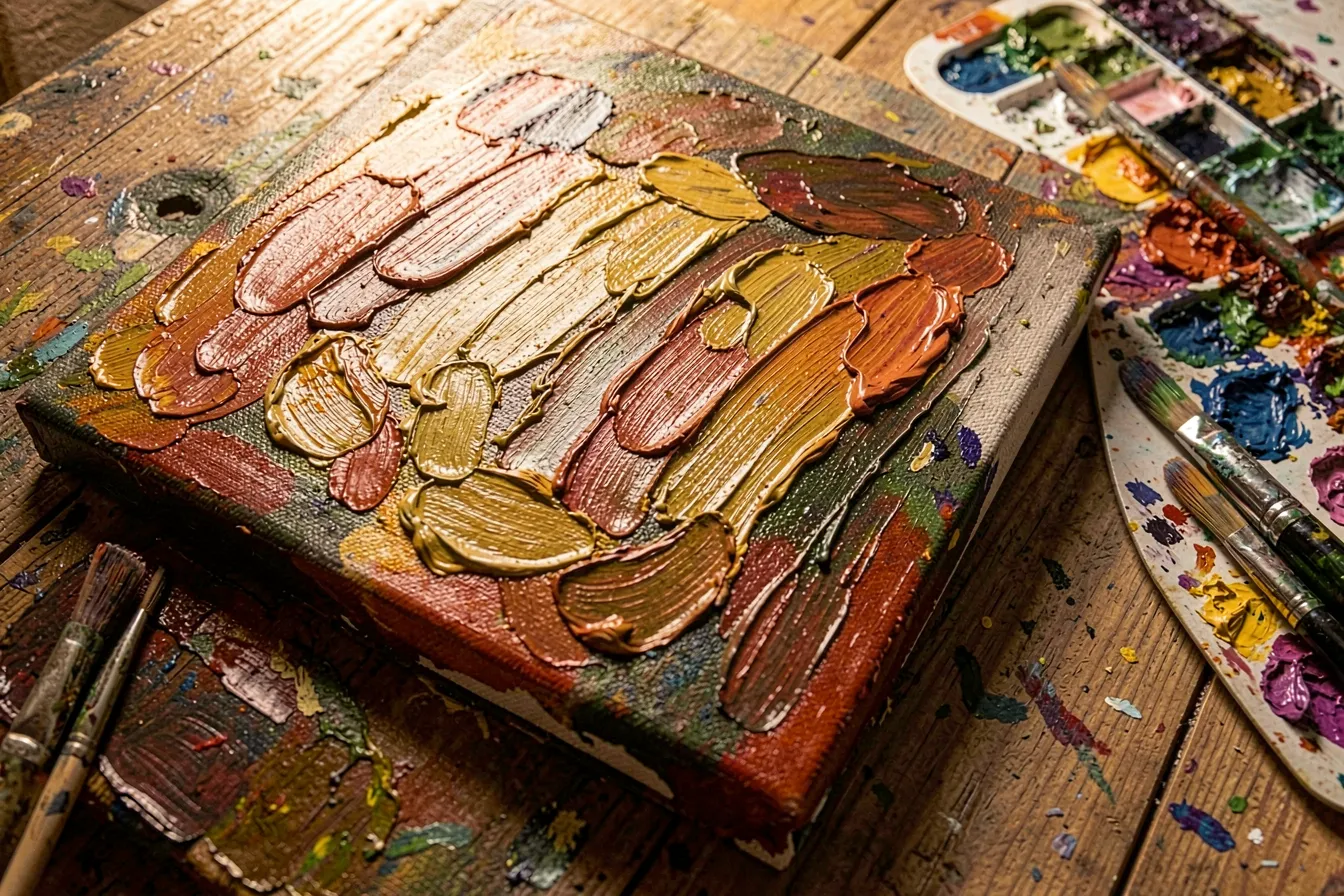
That matches a counter-trend I keep seeing on gallery walls. As AI flooded the feeds, handmade work got a premium. Buyers started paying extra for the visible human hand, the brushstroke, the flaw. AI didn’t kill craft in 2026. It made craft more legible as a choice.
The fights that defined the season
2026 was the year the art world stopped debating whether AI art counts and started fighting over the rules. Three fronts opened up.
- Authorship. Who is the artist when a model does the rendering? Prizes wrestled with it openly, several adding AI-disclosure categories or banning the work outright, and the question spilled into contracts and wall labels.
- Disclosure. Labeling rules spread across fairs and institutions. If a piece used generative tools, more venues now expect you to say so, the way a photograph discloses heavy retouching.
- Provenance. The quieter, more durable change. Platforms and artists started attaching a verifiable trail to AI work, prompts, model versions, edit history, so a buyer can see how an image was made. That infrastructure matters more than any single sale.
None of these got settled. Court rulings through the year nudged the lines on copyright without drawing them cleanly. But the shift from “is this real art” to “what are the terms” is itself the story. You only write rules for things you expect to stick around.
What the galleries actually did
Behind the public arguments, dealers got practical. A lot of galleries adopted AI where nobody sees it: cataloguing inventory, drafting condition reports, running the back office, tagging archives. The art on the wall stayed human; the machine ran the stockroom. A few forward galleries went further and started signing AI-native artists to their rosters, betting that the next generation of buyers won’t carry the medium stigma their elders do.
That’s the split worth watching. The institutions moved first on prestige, DATALAND, the TIME100 nod, the museum programming. The market moved slower and on its own terms, rewarding scarcity and story over raw generation. The galleries are hedging in both directions at once, which is exactly what you’d expect from people who have to sell something by December.
Reading the year before the scoreboard
So, before Miami: AI art in 2026 won legitimacy faster than it won money. It got a museum, a magazine cover, a seat in the authorship debate, and a provenance system taking shape underneath it. What it didn’t get was a breakout auction season or a settled definition of who owns the output.
My read is that the gap is healthy. A medium that earns institutional space before it earns speculative froth tends to age better. The dot-com comparison everyone reaches for cuts the wrong way here. This isn’t a bubble inflating ahead of substance. It’s substance arriving ahead of the market’s willingness to price it, which is a much better problem to have.
Watch Art Basel Miami Beach for the tell. Not the mega-sales, those will go to familiar names. Watch the booths, the panels, the side rooms. If AI art shows up as a serious thread in the programming rather than a gimmick in the corner, that’s your signal the year’s quiet legitimacy is turning into something the market will eventually have to pay for.
Want to make work that stands on its own terms, scarce, signed, yours? Start creating with AI Art Designer and build a style the machine can’t mass-produce.
Images: AI-Designed
Dieser Beitrag ist auch verfügbar auf:
 English