The Quiet Adopter: How AI Runs the Gallery Back Office While the Art Stays Human
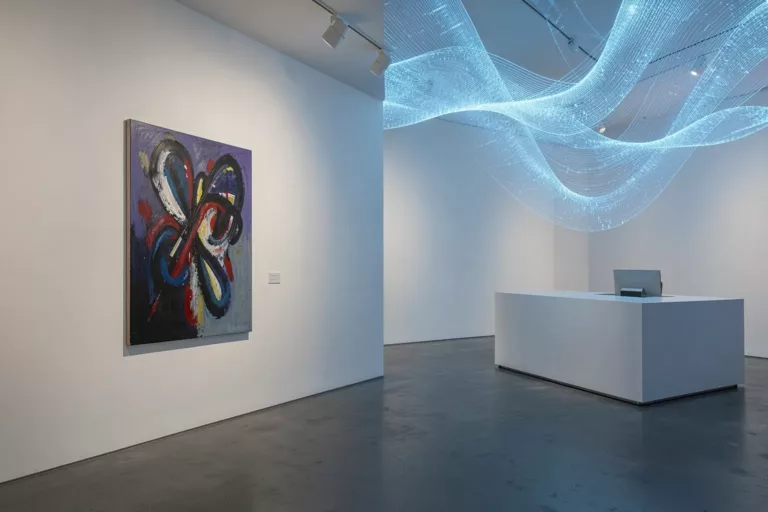
In 2026, galleries automate research, admin, and logistics with AI while guarding the studio. Inside the market's deliberate two-question split.
AI Based Art and Design
In 2026, galleries automate research, admin, and logistics with AI while guarding the studio. Inside the market's deliberate two-question split.
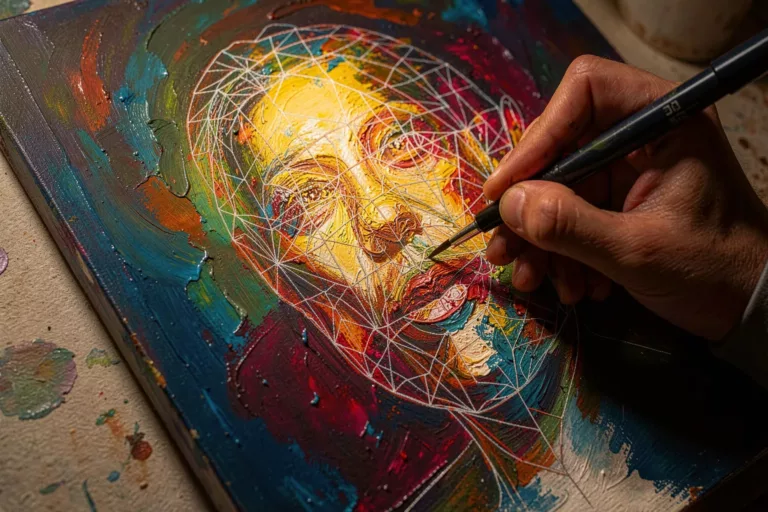
Prompts leave composition to chance. See how artists use ControlNet, depth maps, and pose skeletons to direct AI art with real intent.
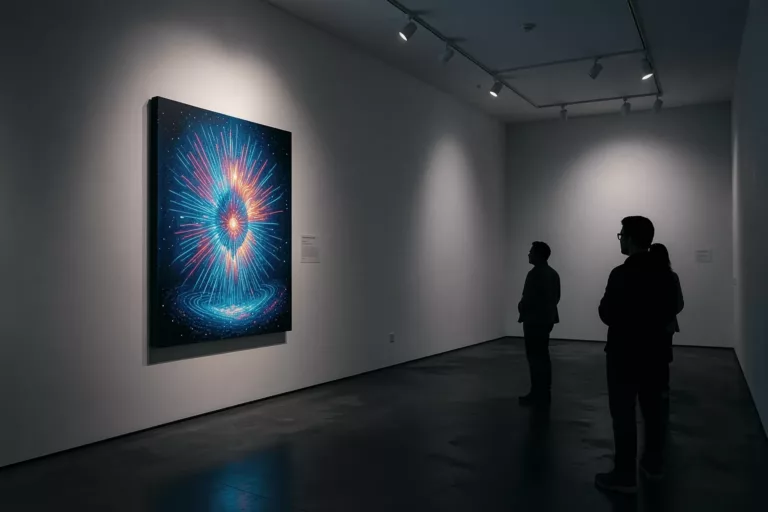
Only ~9% of galleries call AI art a real medium in 2026. Inside the widening gap between market hype and the gallery floor.
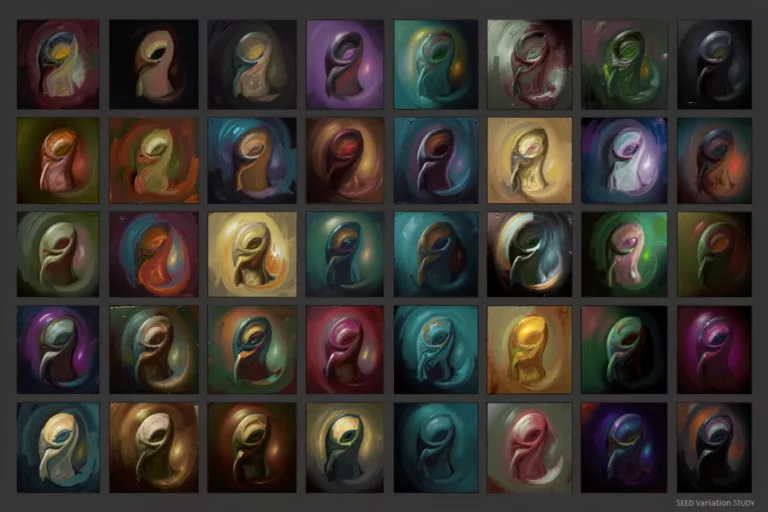
How generative artists tame the seed and randomness, using variation and ruthless curation to turn chance into authored art.
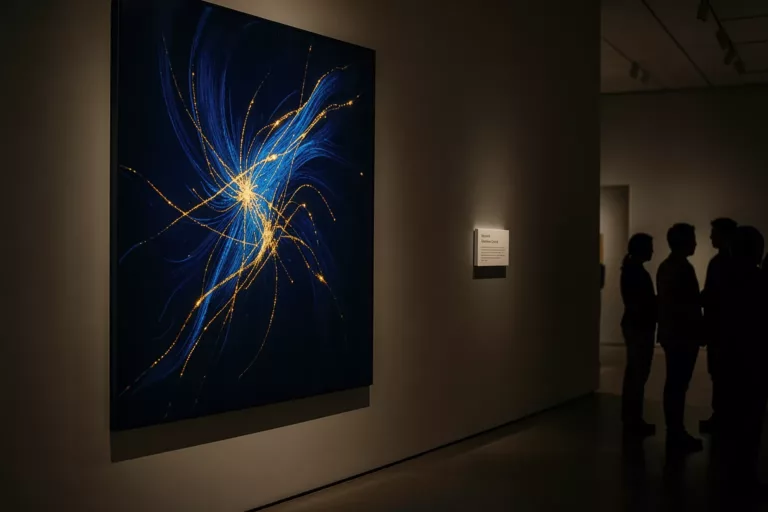
In 2026 the art world argues about transparency, not authorship. See how AI-disclosure rules now shape museums, auctions, galleries and prices.
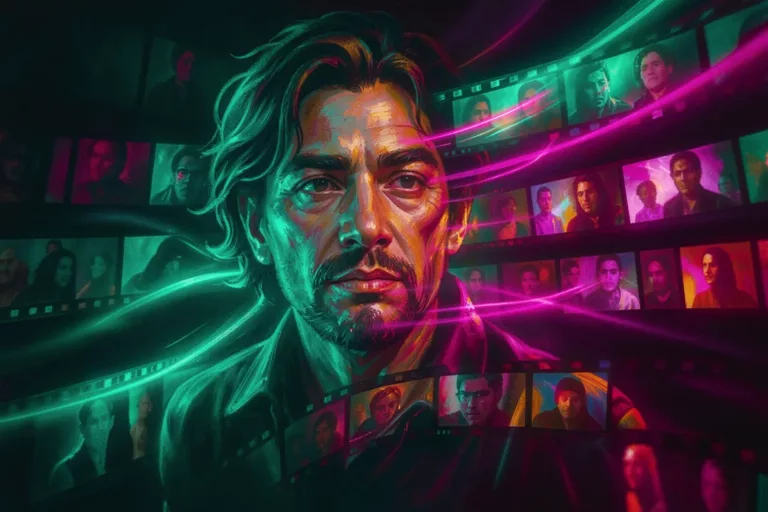
Generative AI is becoming a real motion medium. See how artists use keyframes, motion brushes, and the edit to compose moving art.
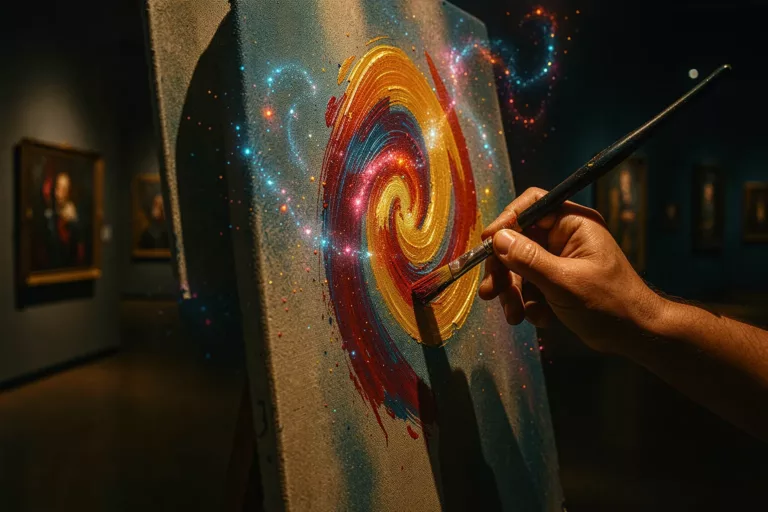
AI art is more capable than ever in 2026, yet collectors are paying a premium for unmistakably human-made work. Inside the year's authorship paradox.
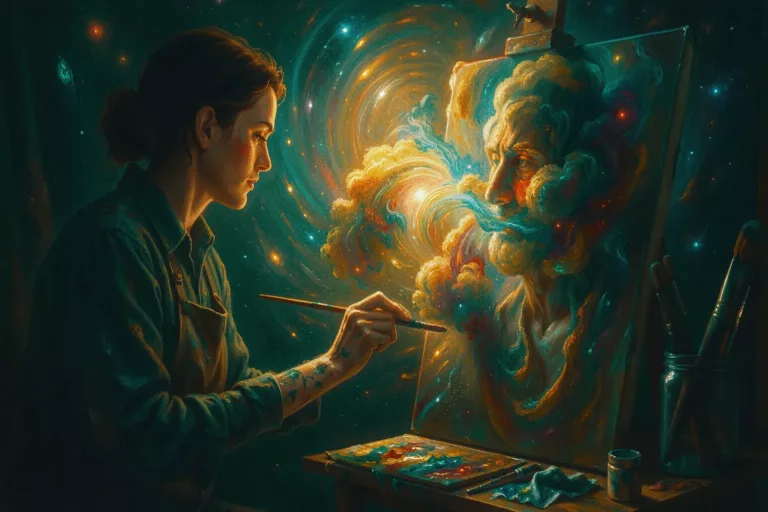
The one-shot prompt is only the opening move. Meet the hands-on craft of inpainting, img2img, and latent-space navigation that turns generative AI into a real medium.
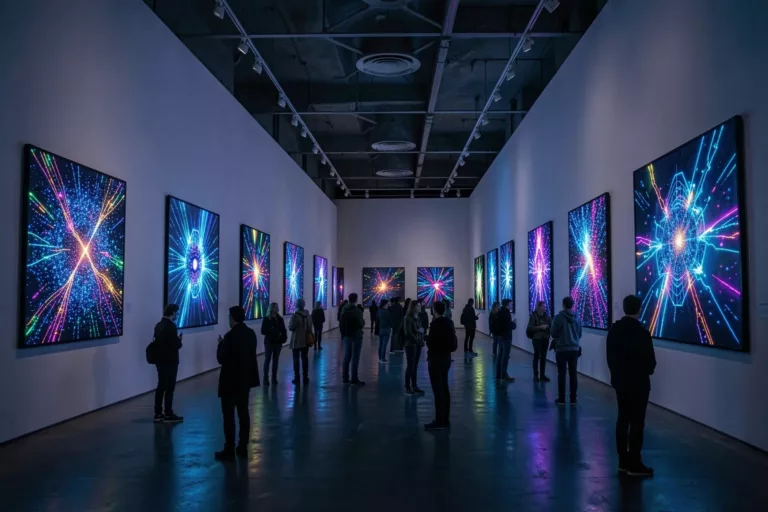
In 2026 AI art gained a dedicated museum and its first Art Basel section, moving the debate from legitimacy to belonging.
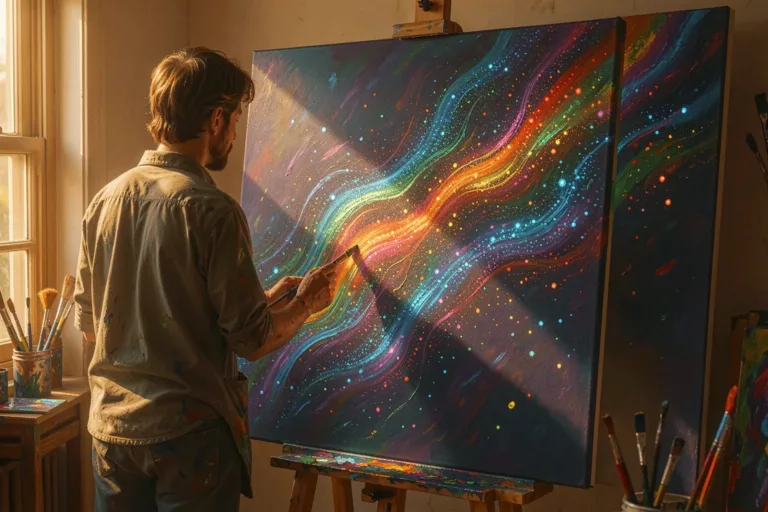
Artists are fine-tuning AI models on their own archives to build private, signature styles - turning generative art from a generic tool into a personal instrument.
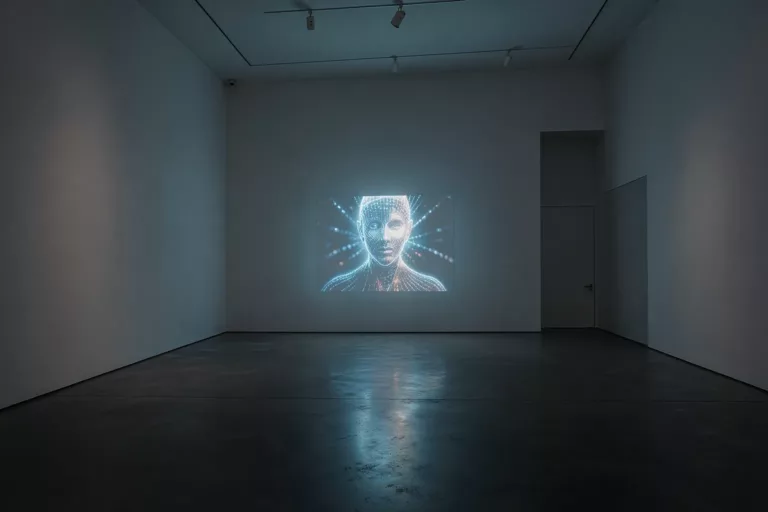
In 2026 the art world's biggest stage barely mentions AI. What the Venice Biennale's silence reveals about authorship, markets, and the real frontier.
How AI artists use style-mixing, latent interpolation, and inpainting to fuse art movements into genuinely new work.

