

Walk the aisles at a major fair this December and you notice something about who stops at the AI-art booths. It’s rarely the gray-haired trustees who built their collections on Richter and Rothko. It’s people in their late twenties and thirties, the ones who grew up watching a screen render a world in real time. They don’t flinch at the word “generative.” They ask about the model, the training set, the edition size. The art world spent three years arguing about whether AI art counts. The answer is arriving quietly, from the demographic that will do most of the buying over the next forty years.
Artsy flagged the pattern earlier this year: younger collectors are warming to AI-generated work faster than any other group, and they’re spending real money to prove it. That’s not a footnote. In a market where the median serious collector is north of fifty, a generation that treats algorithmic authorship as normal changes the whole calculation.
Why the young buyers aren’t scared off
Three reasons, and none of them are about hype. First, these buyers already live with generative systems. They’ve typed prompts into image models for fun, watched a friend fine-tune a style, seen the gap between a lazy output and a controlled one. They know the work isn’t a button press. That knowledge kills the loudest objection — that AI art is cheating — before it starts.
Second, the price of entry is sane. A mid-career painter’s canvas starts at a number that locks most thirty-year-olds out. A print edition from a serious AI artist, or a minted single-channel video, lands in the low thousands or less. You can own something you genuinely like without remortgaging anything. For a generation that watched the 2020s housing market, that matters more than any manifesto about the medium.
Third, the screen is their native frame. A collector who has never hung a painting but has curated a phone, a feed, and a desktop finds a glowing, shifting image perfectly legitimate as art. The object isn’t the point. The experience is.
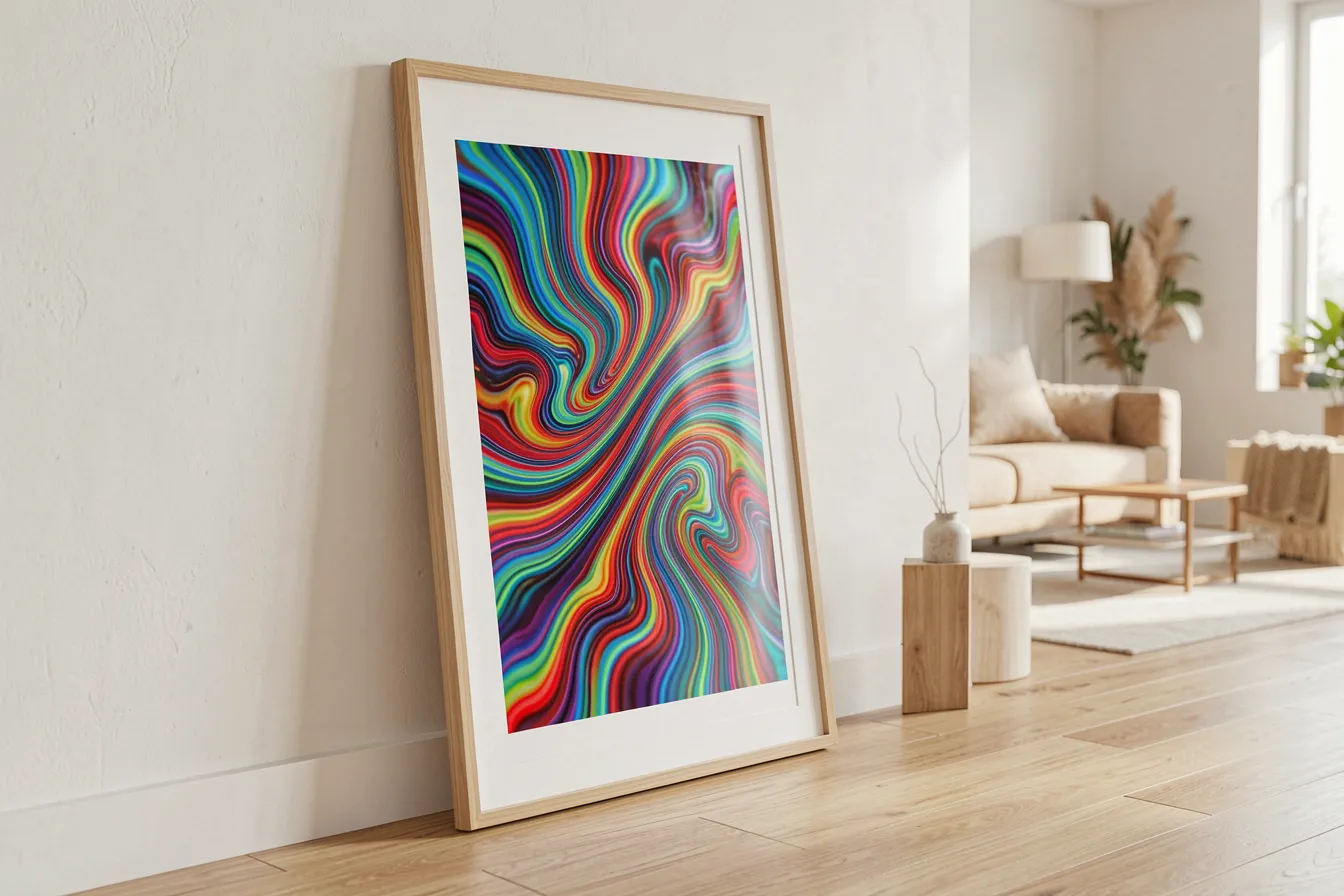
What they’re actually buying
Not the Christie’s headline lots, mostly. The February 2026 “Augmented Intelligence” sale got the press, and Refik Anadol’s data sculptures still anchor the top of the market. But the younger money moves lower and wider. It buys open editions from artists who post process videos. It buys from platforms that handle the minting and provenance so the buyer never has to touch a wallet seed phrase. It follows specific people, not movements.
That last part is the real shift. Ask a 32-year-old collector why they bought a piece and you rarely hear “it’s a good example of latent-space work.” You hear a name. They follow the artist’s practice the way an earlier generation followed a band — the studio tours on Instagram, the Discord where the artist explains a failed run, the sense of watching someone build a language in public. The parasocial pull that drives so much of this generation’s spending works on art too.
The platforms doing the quiet work
None of this happens without infrastructure that hides the ugly parts. A collector in 2021 who wanted a digital edition faced gas fees, chain confusion, and the genuine risk of losing everything to a bad click. By 2026 the serious platforms absorbed that pain. You buy with a card. The provenance trail exists but you never see the plumbing. The file is stored somewhere you trust. Resale works.
Boring? Completely. And that’s exactly why it’s working. Every friction point that scared off a normal buyer has been sanded down. The result looks less like a crypto casino and more like buying a limited print from a gallery’s website — which is to say, like something a reasonable person does on a Tuesday.
Where the old guard still wins
Let’s not oversell it. The top of the market stays stubbornly human. When a Klimt landscape and a 20th-century masterwork tie for the highest estimate in a November evening sale, no AI work is in that conversation, and won’t be for a long while. The blue-chip collector buying for inheritance and status still wants a signature, a canvas, a name the auction house can defend across generations. That premium on the artist’s hand is real, and the younger buyers don’t dent it — they’re playing a different game at a different table.
There’s also the churn problem. A generation that discovers artists through a feed can abandon them through the same feed. Taste that forms fast can evaporate fast. Whether the names drawing real money this year still command it in a decade is an open question, and a few of them won’t. The market that rewards patience may punish the collector who bought on a two-week enthusiasm.
What this means for anyone making the work
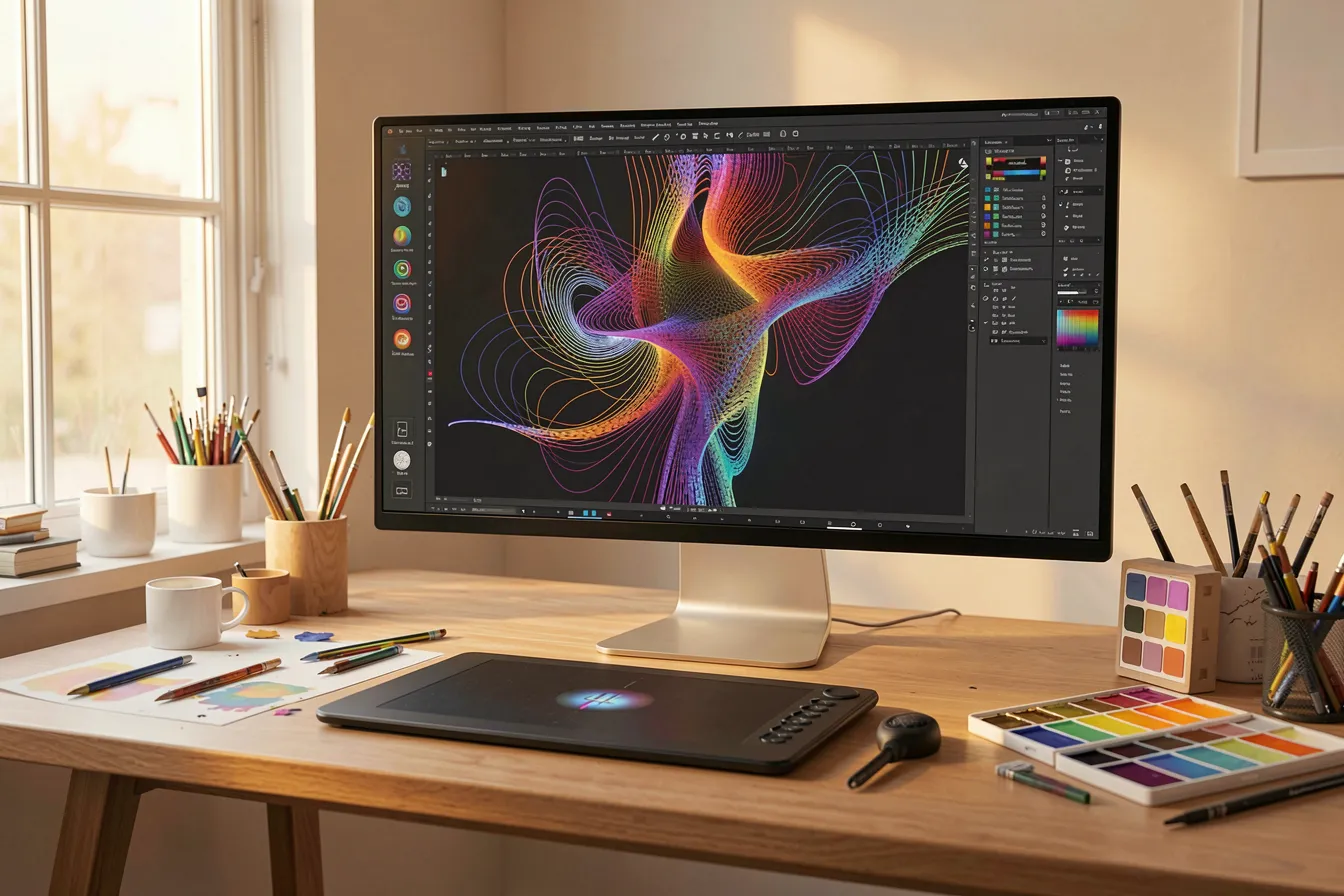
If you’re an artist working with these tools, the audience shift reorders your priorities. The buyer you’re likely to reach isn’t a museum committee. It’s an individual, roughly your own age, who wants to understand how you work and feel close to the practice. Show the process. Explain the failed runs. Price a tier that a normal person can reach. The reward isn’t a single big sale — it’s a following that buys the next thing, and the one after that.
It also means the craft has to hold up to a knowledgeable eye. These buyers have used the tools. They can smell a default output. The work that earns their money shows control — a consistent hand across a body of work, choices that couldn’t have come from a stock prompt. The medium lowered the barrier to making an image and raised the bar for making one that a fluent audience respects.
The generational handover in collecting always decides what the next era values. This time the incoming group arrived already fluent in the machine. They’re not asking whether AI belongs in art. They’re asking who’s good at it — and paying the ones who are.
Want to make work that holds up to that kind of eye? Start building and refining your own pieces with the tools at ai-art-designer.com.
Images: AI-Designed
Dieser Beitrag ist auch verfügbar auf:
 English