Most people describe AI art by what they want. Artists who work seriously with generative models often start somewhere stranger: they describe what they refuse to see. The negative prompt — the list of things a model must avoid — has quietly become one of the sharpest tools in the AI studio. It shapes an image not by addition, but by subtraction.
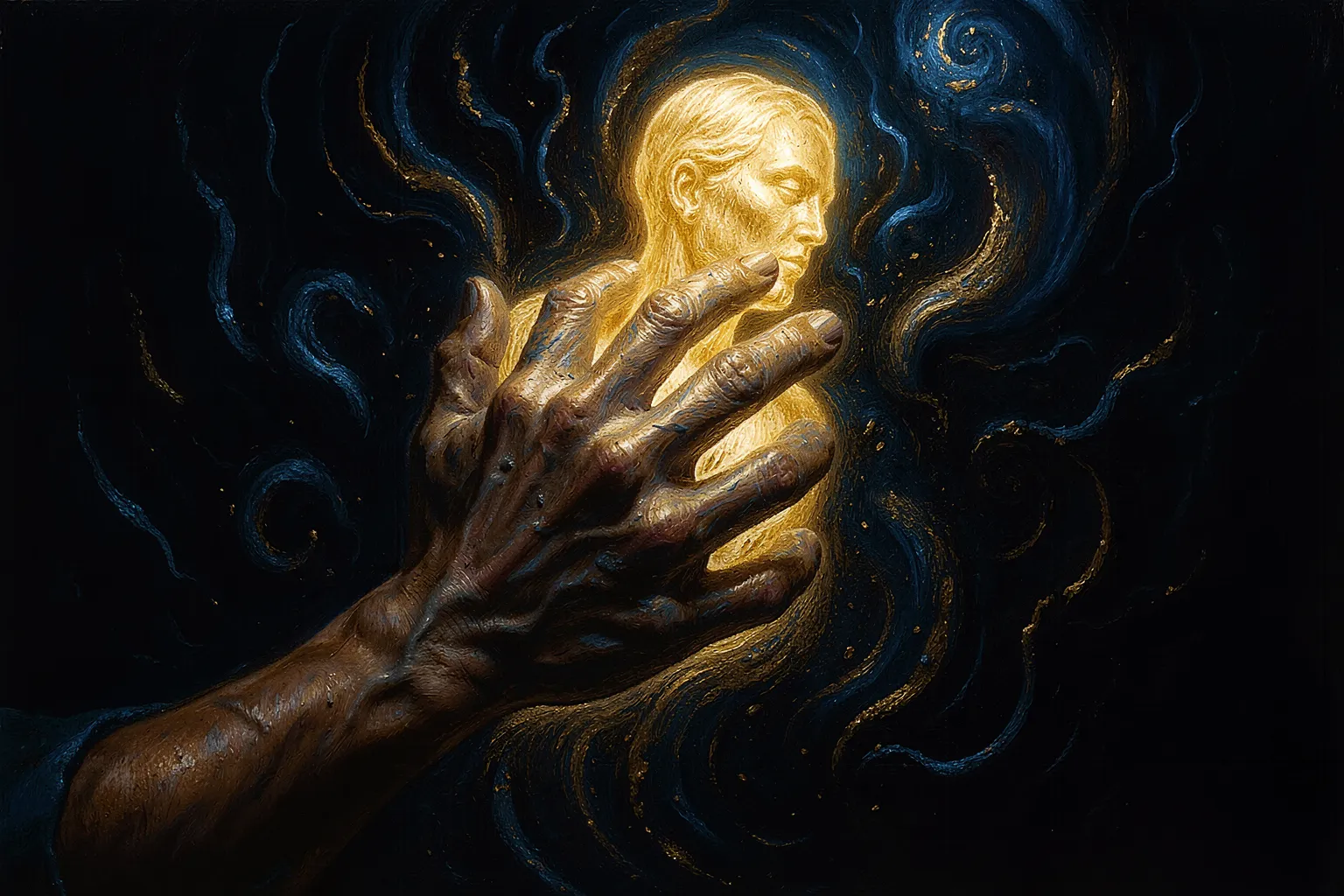
Think of it as sculpting. You do not build the figure grain by grain. You chip away everything that is not the figure. Negative prompts let an artist carve a picture out of the model’s vast, chaotic imagination, removing the clutter until only the intended vision remains.
What a negative prompt actually does
A diffusion model turns noise into an image by steering toward one text description and away from another. The positive prompt pulls the picture toward your subject. The negative prompt pushes it away from everything you name. Both forces act on every denoising step, and the gap between them decides where the image lands.
This gives the artist two hands. One hand invites. The other hand forbids. When you write “blurry, low detail, extra fingers, watermark” into the negative field, you tell the model to route around those regions of its learned space. The model still explores freely — but it now avoids the ditches you marked.
From cleanup to composition
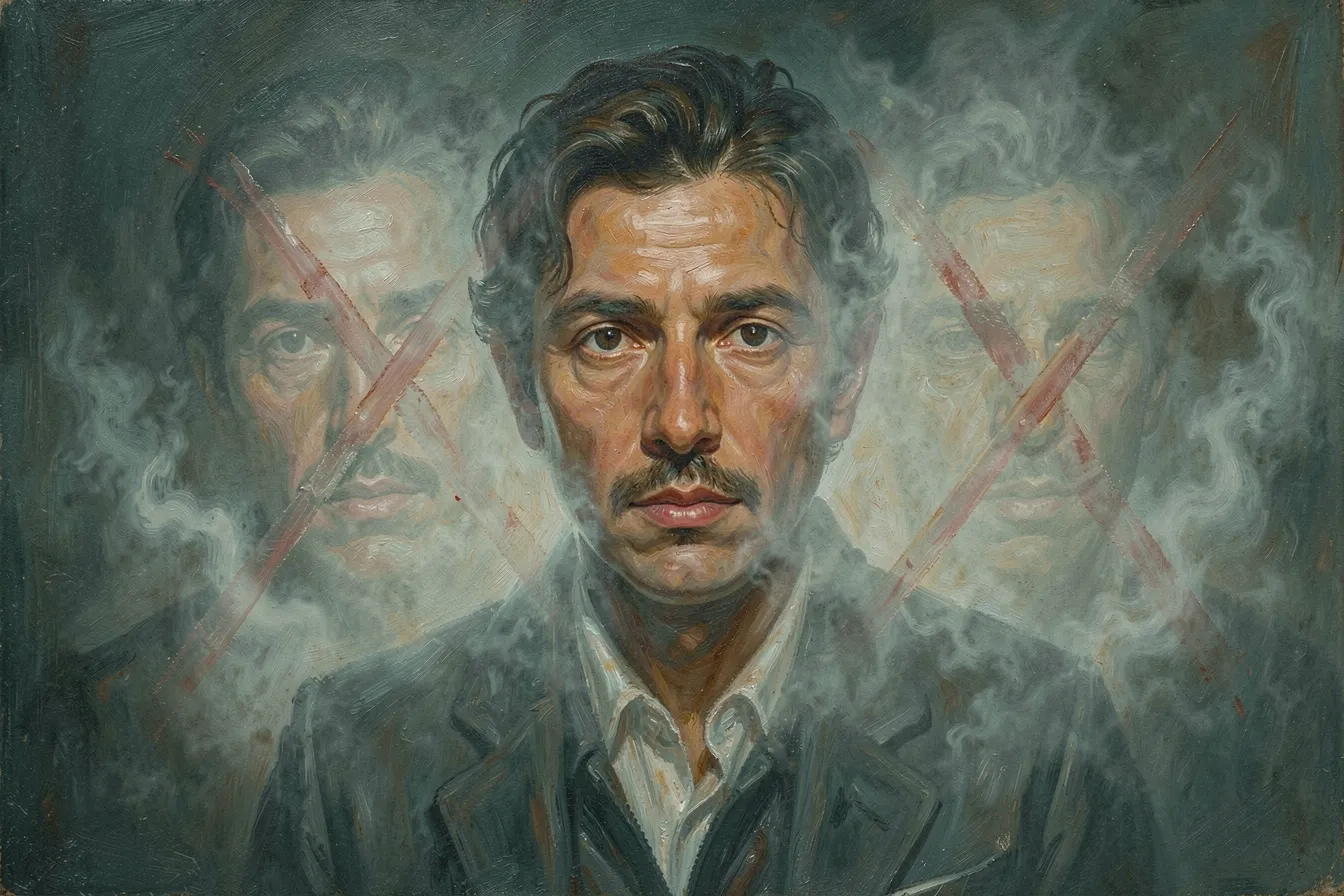
Beginners treat negative prompts as a spellcheck. They paste a long list of defects and forget it. Serious practitioners go further. They use subtraction to shape style, mood, and structure — not just to fix hands.
Want a painting that feels hand-made? Push against “photograph, 3D render, sharp focus.” Chasing a stark, graphic poster? Subtract “gradient, soft shading, texture.” Each removal bends the whole aesthetic. The artist composes by naming absences, and the picture organizes itself around what it must not become.
- Mood: remove “bright, cheerful, saturated” to sink an image into melancholy.
- Era: subtract “modern, digital, neon” to drift a scene toward the antique.
- Focus: exclude “busy background, crowd, clutter” to isolate a single subject.
- Medium: push away “smooth, glossy” to invite grain, tooth, and paint.
The discipline of restraint
Negative prompts reward precision and punish greed. Stuff the field with fifty terms and the model loses its footing. It fights so many forbidden directions that it drifts into bland, muddy compromise. The best artists keep their exclusions short and deliberate. They remove one problem, look, and remove the next.
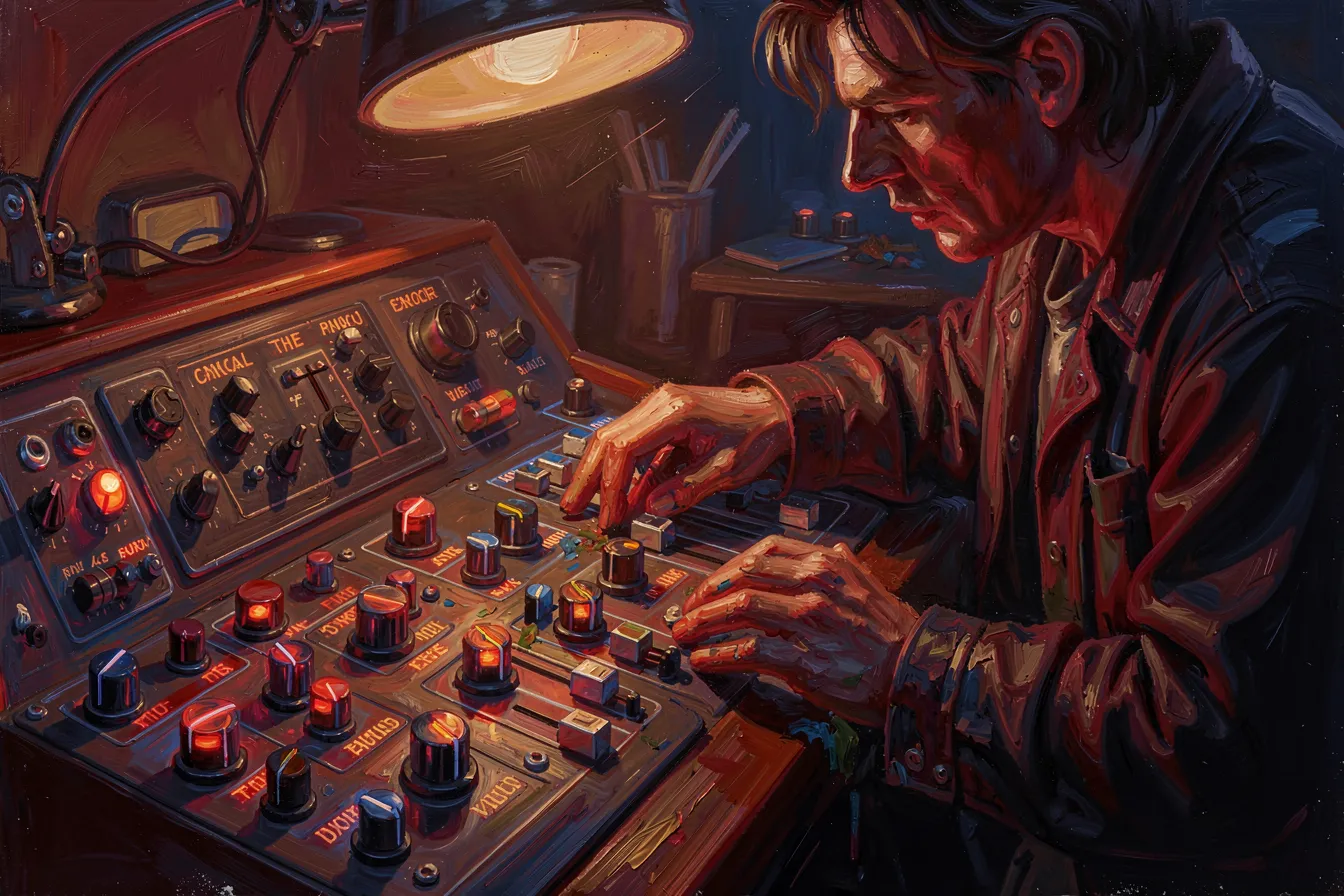
Weighting sharpens the craft further. Many tools let you dial the force of each term, so “(text:1.4)” repels harder than a plain word. An artist tunes these numbers like a mixing desk, raising the pressure on one flaw while easing off another. The result feels authored, not scrubbed.
Subtraction as a signature
Over time, an artist’s negative prompt becomes a fingerprint. It encodes taste — the textures they hate, the clichés they refuse, the shortcuts they never let a model take. Two creators can share the same positive prompt and the same model, yet produce wildly different work, because their exclusions differ. What you leave out defines your voice as much as what you put in.
This flips a common assumption about AI art. The machine does not simply grant wishes. It negotiates with a human who knows exactly what to reject. That refusal — patient, specific, repeated — is where the artist’s hand lives.
Learning to see by removing
Working this way trains the eye. When you must name what ruins an image, you start noticing the small failures everyone else ignores: the plastic sheen, the lazy symmetry, the default lighting. You learn the model’s habits, then you learn to overrule them. Negative prompting turns a passive user into a critical author.
The medium is young, and its grammar is still forming. But the principle already feels timeless. Great art has always depended on what the maker chose to leave out — the unpainted corner, the silence between notes, the marble the sculptor cut away. Generative AI simply gives that instinct a new syntax.
Want to try sculpting by subtraction yourself? Explore the tools and ideas at ai-art-designer.com and start carving your own images from the noise.
Images: AI-Designed
Dieser Beitrag ist auch verfügbar auf:
 English
  Deutsch (German)