Controlled Chaos: How Artists Turn Seeds and Randomness Into a Generative Art Practice
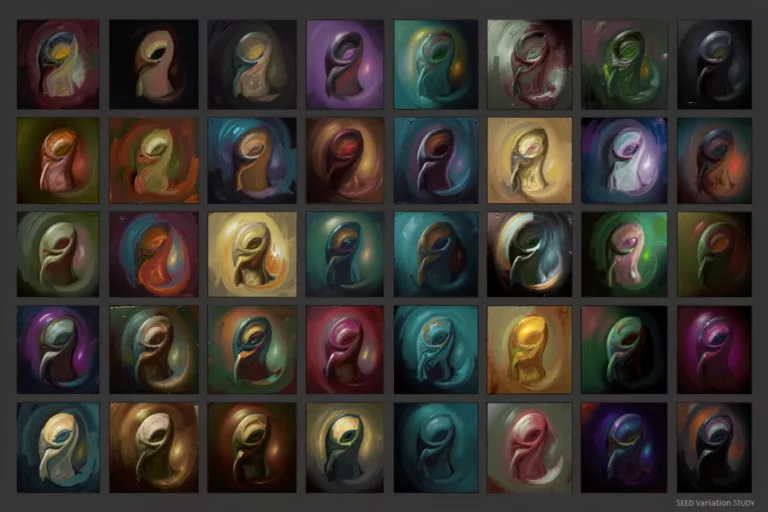
How generative artists tame the seed and randomness, using variation and ruthless curation to turn chance into authored art.
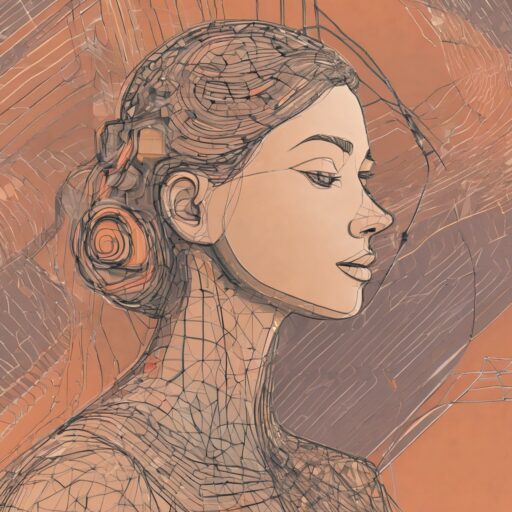
AI Based Art and Design

How generative artists tame the seed and randomness, using variation and ruthless curation to turn chance into authored art.
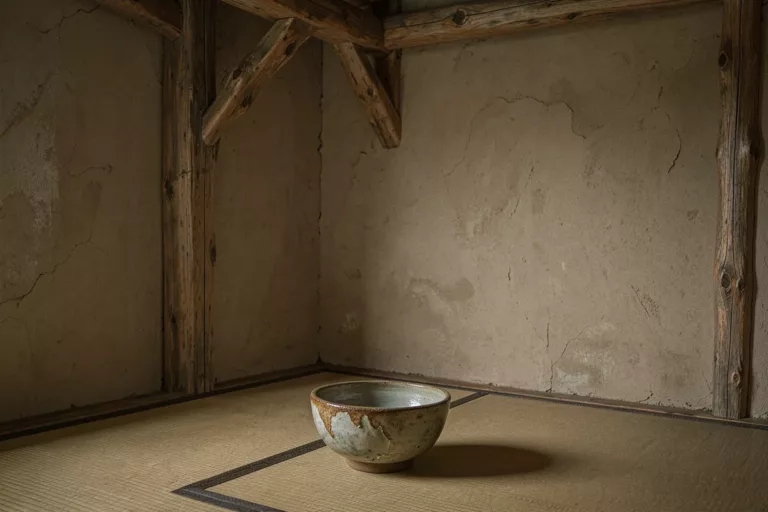
Can algorithms grasp wabi-sabi? How generative AI reimagines Japan's philosophy of imperfection in design and architecture.
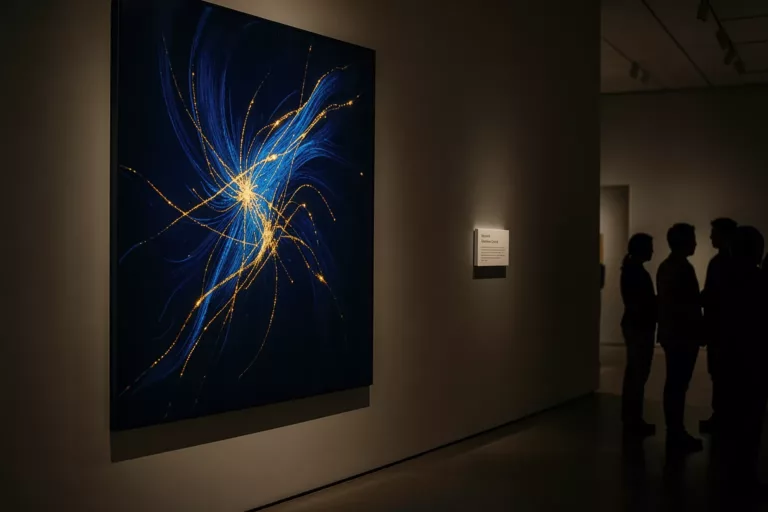
In 2026 the art world argues about transparency, not authorship. See how AI-disclosure rules now shape museums, auctions, galleries and prices.
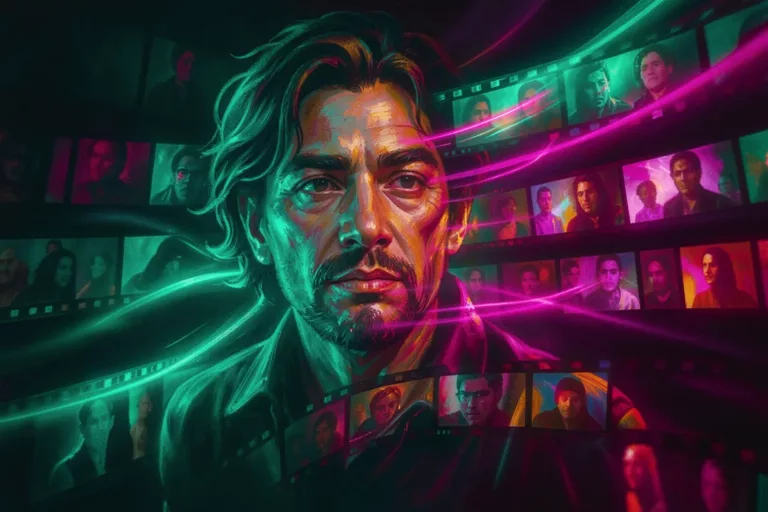
Generative AI is becoming a real motion medium. See how artists use keyframes, motion brushes, and the edit to compose moving art.
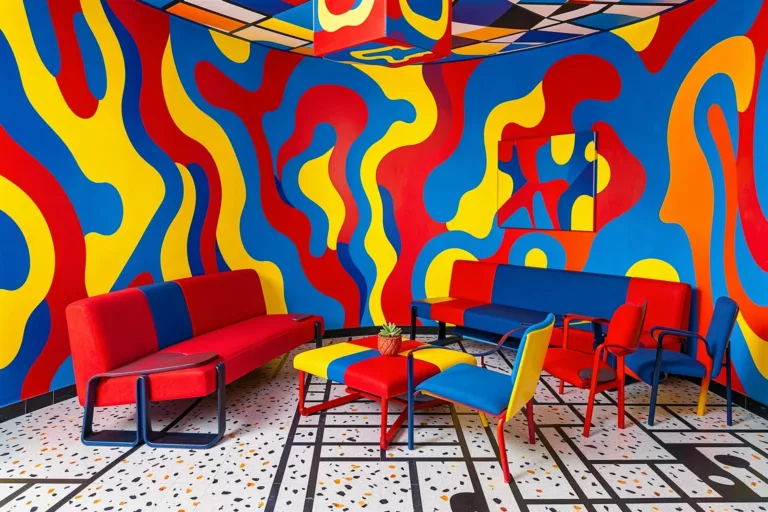
AI reopens the Memphis Milano playbook—bold color, squiggles, and geometric chaos—turning a 1980s rebellion into a fast, flexible design engine.
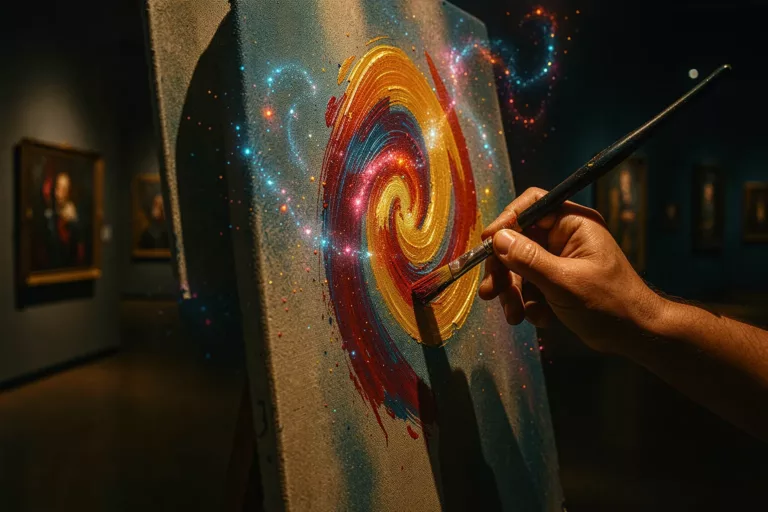
AI art is more capable than ever in 2026, yet collectors are paying a premium for unmistakably human-made work. Inside the year's authorship paradox.
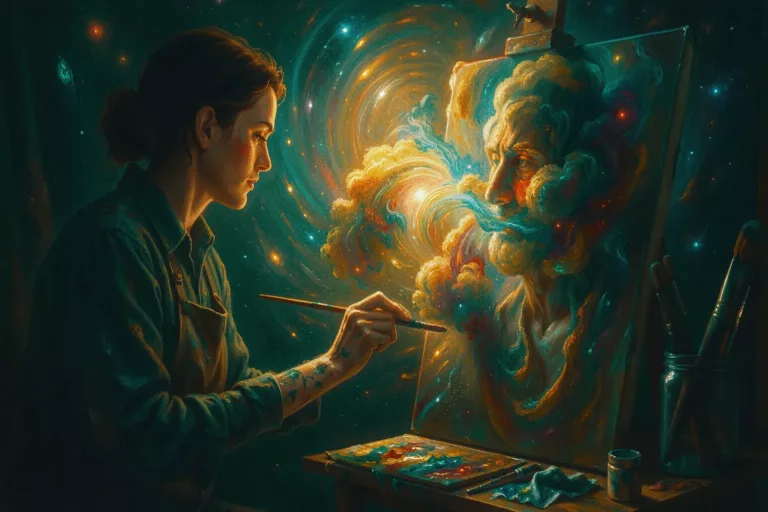
The one-shot prompt is only the opening move. Meet the hands-on craft of inpainting, img2img, and latent-space navigation that turns generative AI into a real medium.
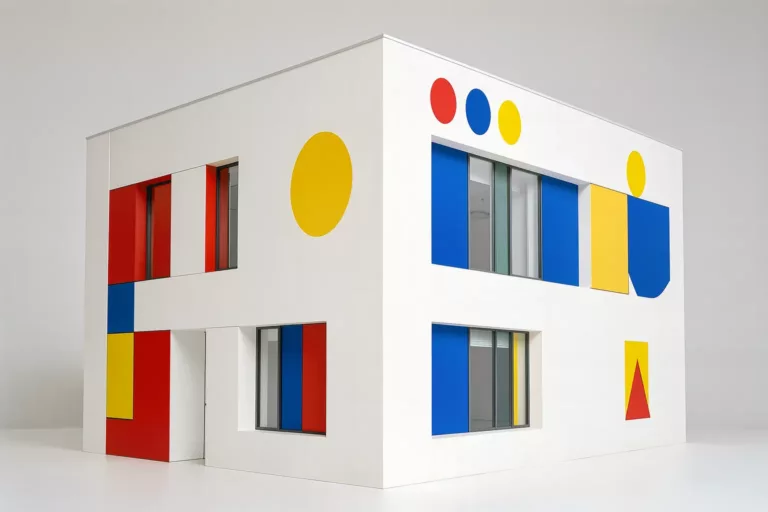
A century after the Bauhaus, generative AI is extending its geometry, functionalism, and primary colors into a living design dialogue.
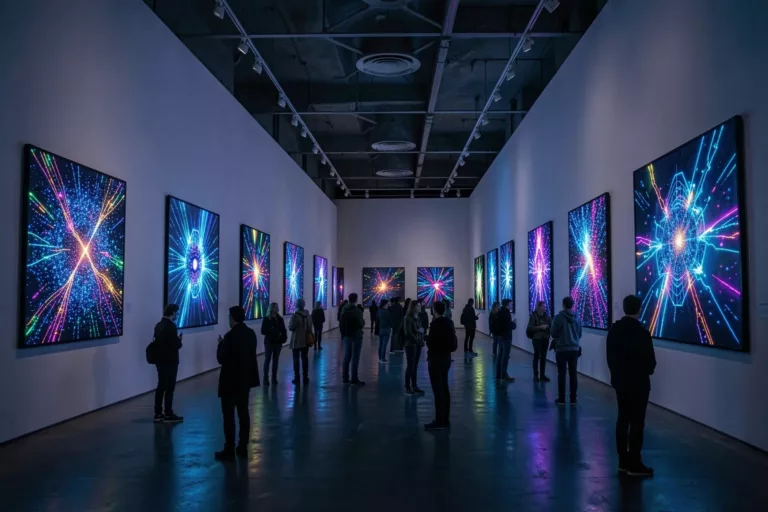
In 2026 AI art gained a dedicated museum and its first Art Basel section, moving the debate from legitimacy to belonging.
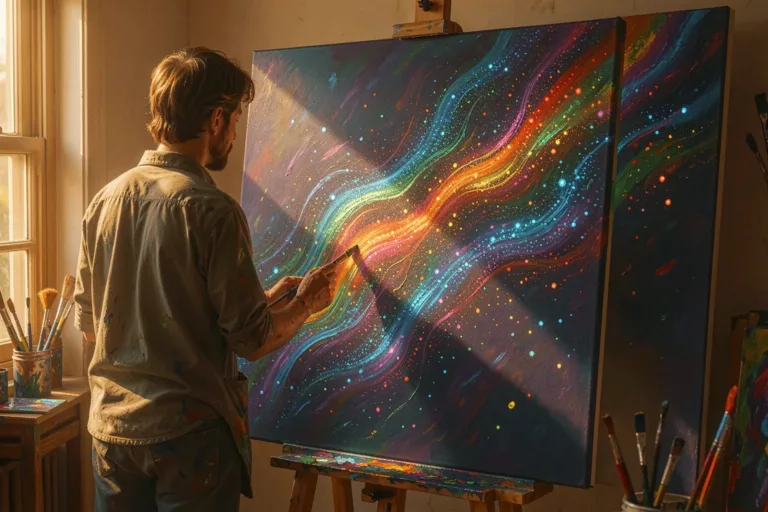
Artists are fine-tuning AI models on their own archives to build private, signature styles - turning generative art from a generic tool into a personal instrument.

