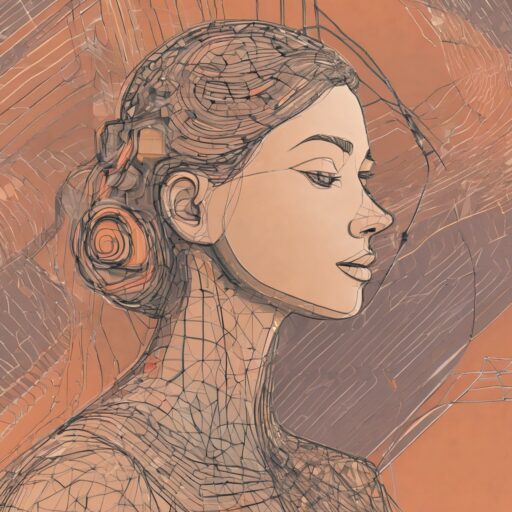
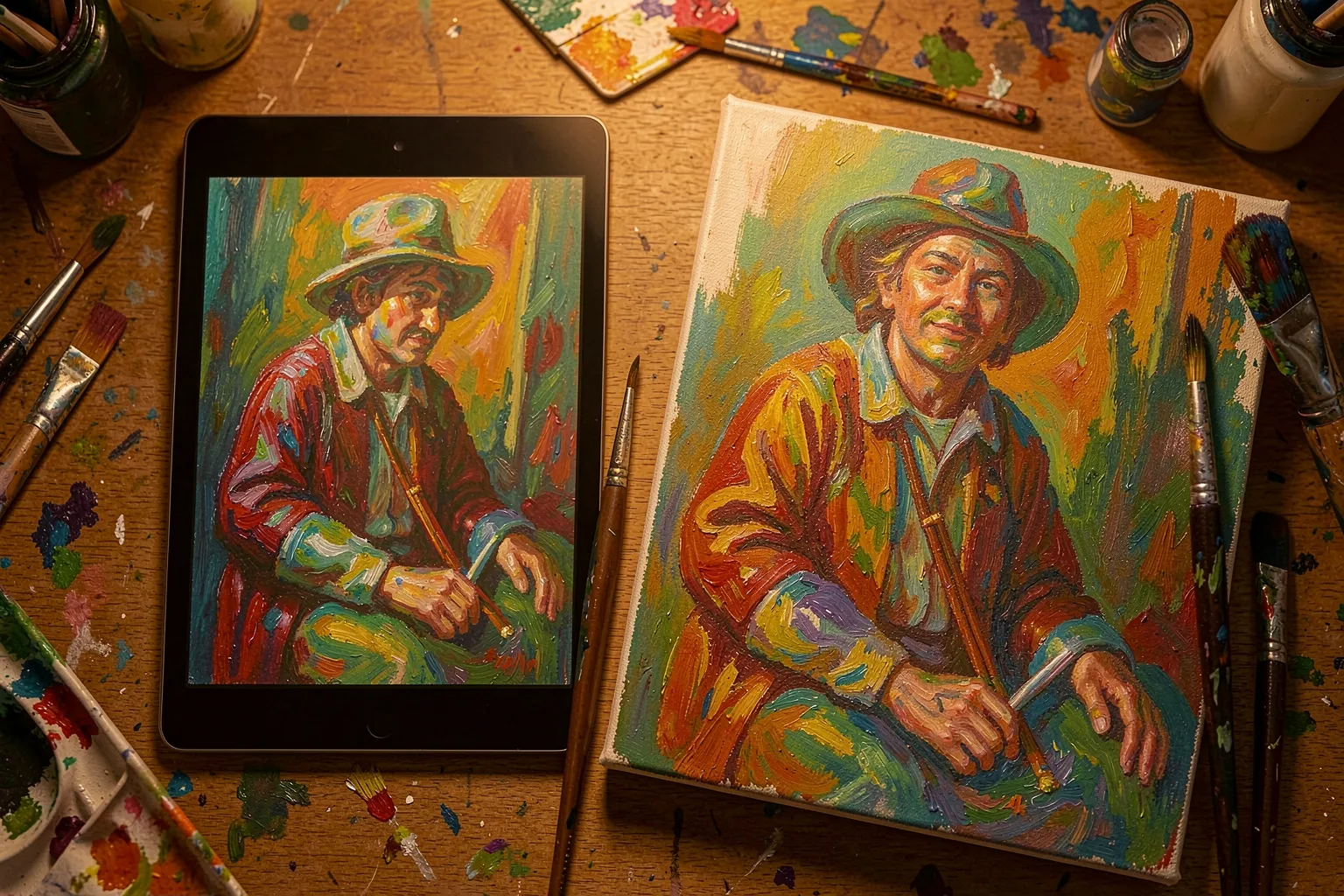
Prompts describe. Reference images show. That difference now drives one of the most practical shifts in generative art. Artists no longer type a paragraph and hope the model guesses their taste. They hand it a picture instead. IP-Adapter, a lightweight conditioning method, lets a reference image steer a generation directly. It transfers mood, palette, and even a specific face without a single adjective.
This changes how creators work. A prompt gropes toward an idea through words. A reference image points straight at it. For anyone who has fought a text prompt to reproduce a look, the appeal lands immediately.
What IP-Adapter Actually Does
IP-Adapter reads an image and encodes what it sees. The model then treats that encoding like a second prompt. You still type words if you want. But the reference carries the visual weight. It whispers “this palette, this texture, this vibe” while your text handles the scene.
The method attaches to existing diffusion models. It adds no massive retraining and no new checkpoint. Artists load it, drop in a reference, and shift a slider. Turn the influence up, and the output hugs the reference closely. Turn it down, and the model wanders toward its own instincts.
Style Without Description
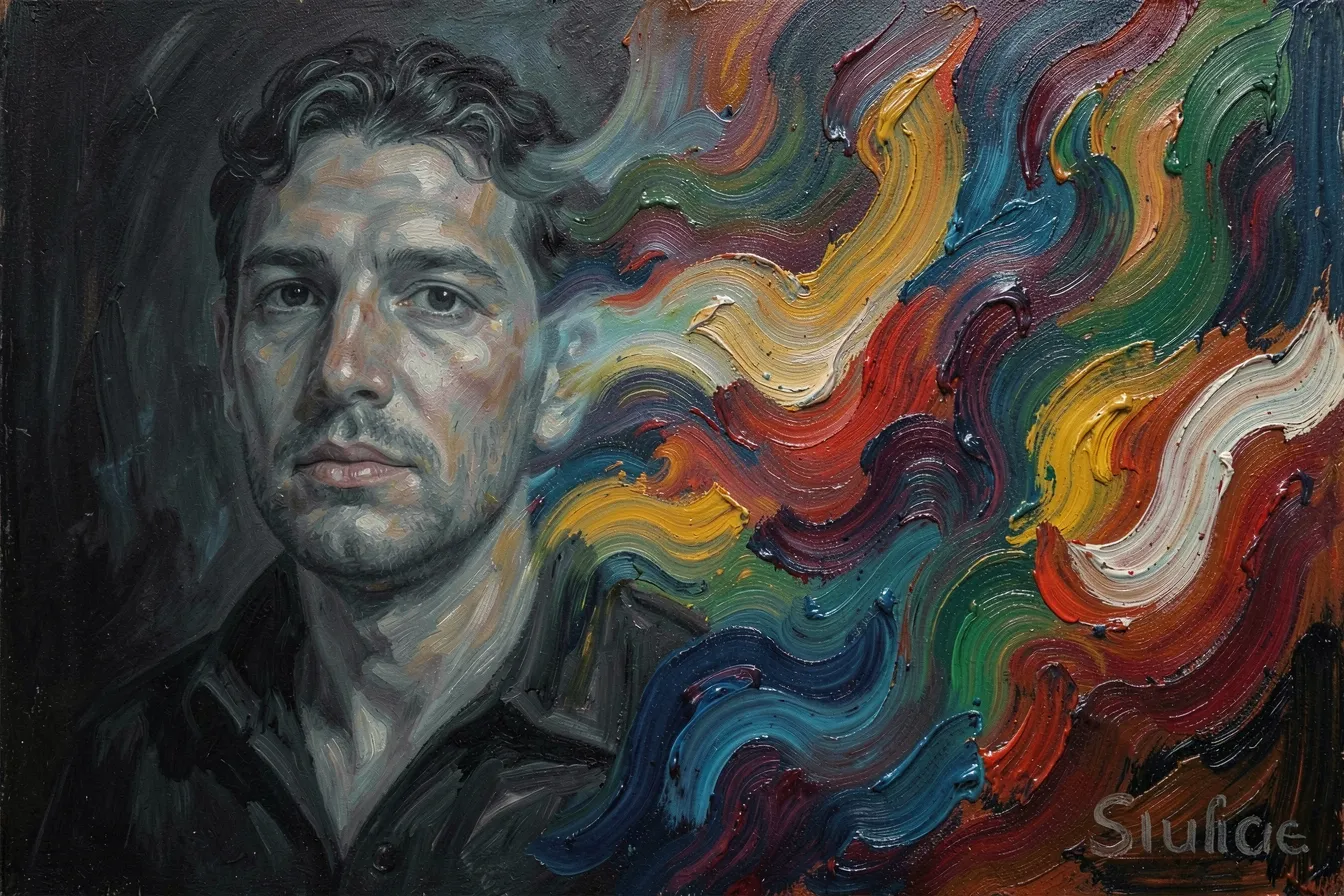
Describing a style in words rarely works. “Muted, painterly, slightly melancholic” means five different things to five models. A reference image ends that guessing. Feed the model a favorite painting, and it absorbs the brushwork, the color logic, the grain.
Illustrators exploit this hard. They build a small library of look-boards. One board holds their ink style. Another holds a client’s brand mood. They swap boards to switch registers instantly. The words stay simple; the reference does the styling.
- Palette transfer: lift a color story from a photo and apply it to a new scene.
- Texture carry: move canvas grain, film grit, or paper fiber across generations.
- Mood lock: hold a consistent atmosphere across a whole series.
Subject and Face Consistency
A dedicated variant, IP-Adapter FaceID, targets identity. It reads a face and keeps that face steady across many images. Character artists finally hold a consistent protagonist through a full sequence. The eyes, the jaw, the general presence survive scene changes.
This solves a stubborn problem. Text prompts drift. Ask for “the same woman” ten times, and you get ten cousins. A reference anchors the subject and stops the drift. Comic creators and concept artists lean on this every day now.
Blending Words and Pictures
The real craft lives in the mix. Artists rarely rely on the reference alone. They pair a strong visual anchor with a precise text prompt. The image supplies the look. The words supply the action, the setting, the twist.
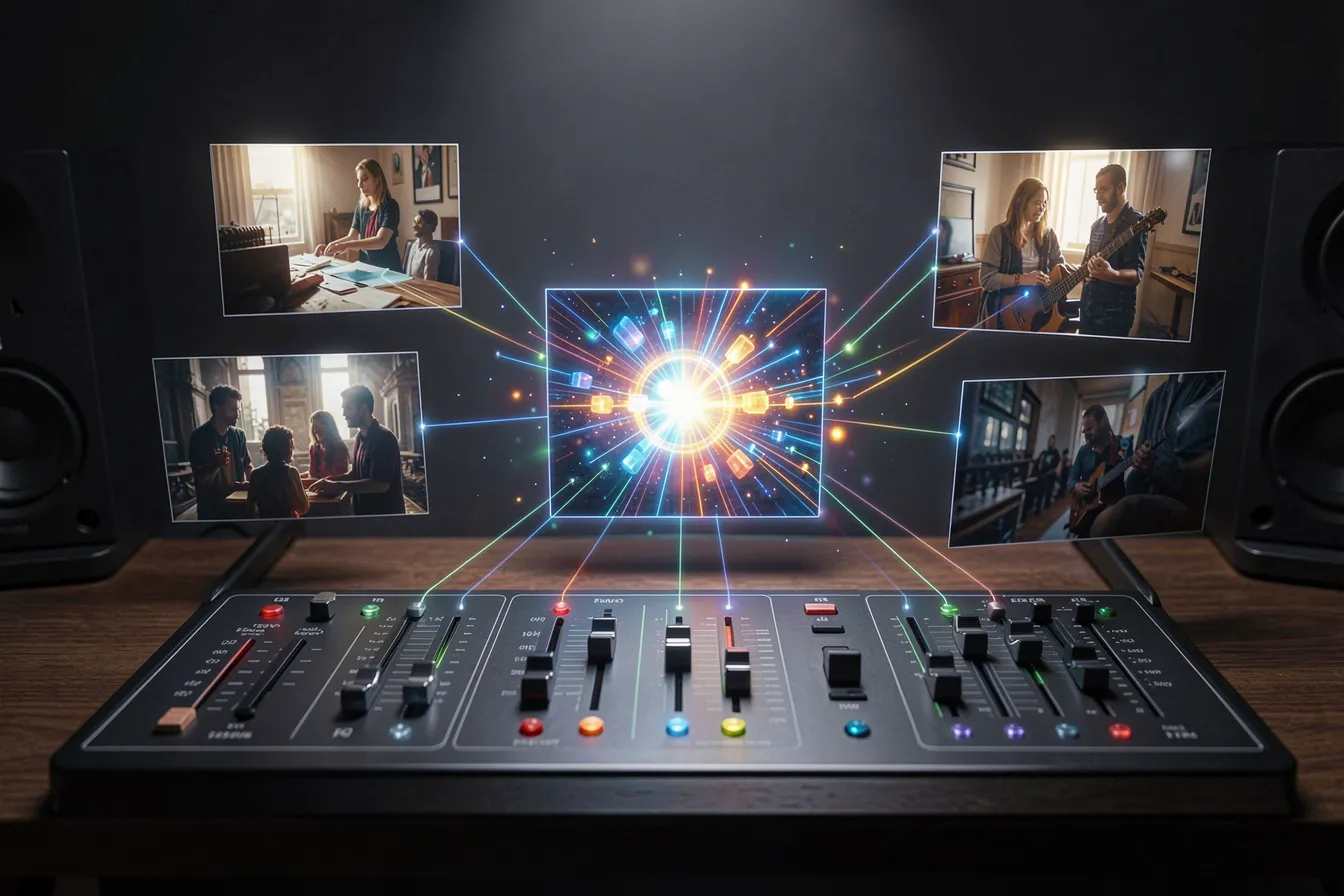
You can also stack multiple references. One image sets the style. A second sets the subject. The model negotiates between them, and the artist tunes each weight. This turns a single slider into a small mixing desk for visual ideas.
A Quieter Kind of Control
IP-Adapter reframes the whole prompt debate. For two years, artists chased the perfect sentence. Now many chase the perfect reference instead. Seeing beats describing when the goal is a specific look. The technique rewards a good eye over a good vocabulary.
It also lowers the barrier. You do not need to name a movement or a master to borrow their feel. You point at what you love, and the model listens. That simplicity pulls more visual thinkers into generative art.
Want to explore reference-driven image making for your own projects? Try it at ai-art-designer.de and steer the model with your own pictures, not just your words.
Images: AI-Designed
Dieser Beitrag ist auch verfügbar auf:
 English