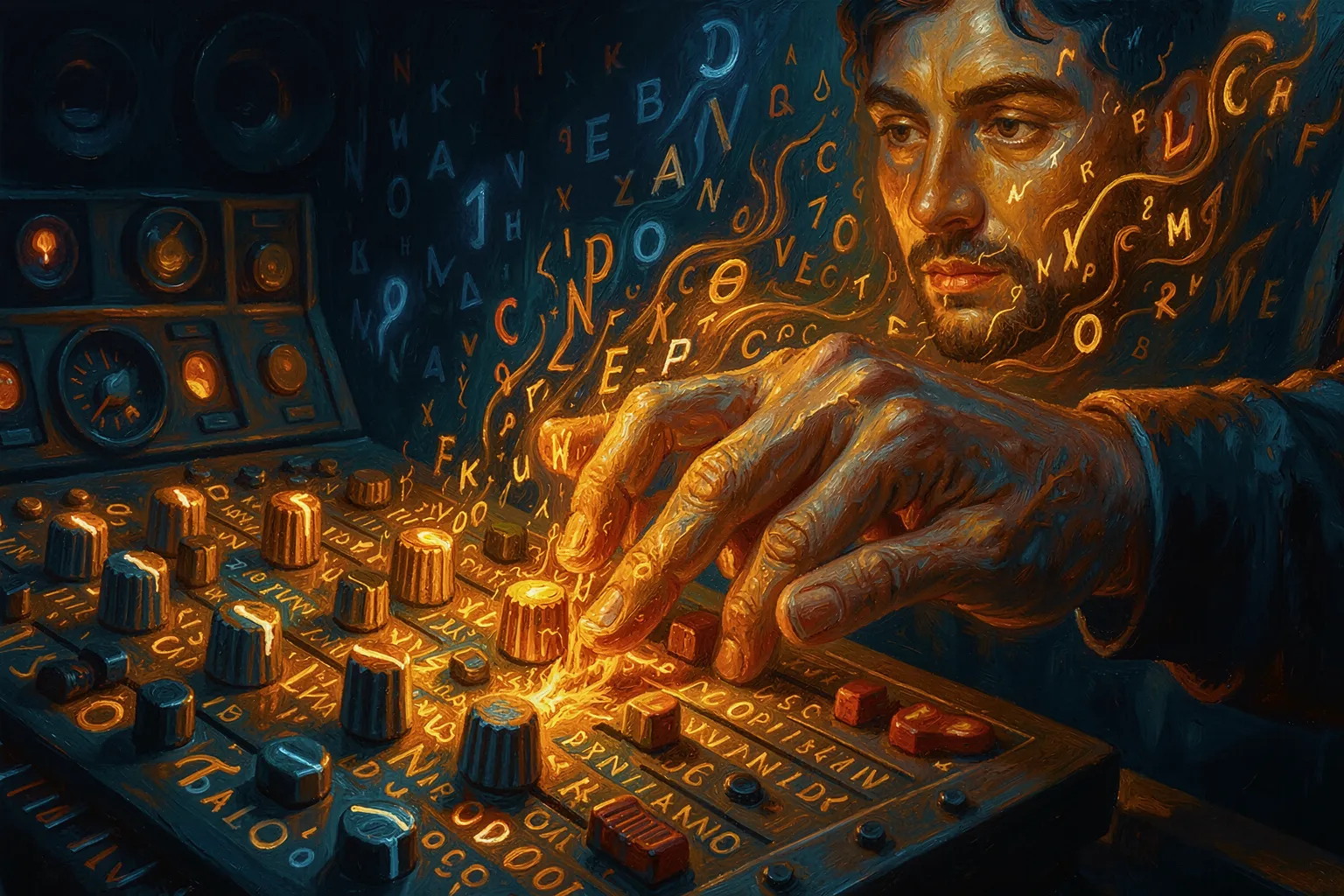
Most people still type prompts as shopping lists. They stack nouns, add a few adjectives, and hope the model obeys. Artists who work with generative AI every day treat the prompt differently. They weight it, phrase it, and revise it like a score. Word order, emphasis, and structure become compositional tools. The text stops describing a picture and starts directing one.
This post looks at prompt weighting as a real craft. Not tricks, not magic words, but the deliberate shaping of language to control what the model foregrounds. Once you see the prompt as an instrument, your whole practice changes.
Why a Flat Prompt Falls Apart
A diffusion model reads every token and competes for attention across all of them. Pile on twelve ideas and the model averages them. It cannot decide what matters, so it compromises. You get a muddy image that technically contains your keywords but honors none of them.
Skilled artists fix this by ranking their intent. They decide the one thing the image must nail. They push that idea to the front and give it weight. Everything else supports it. The prompt gains a hierarchy, and the model finally knows where to look.
Weighting Turns Words Into Volume Knobs
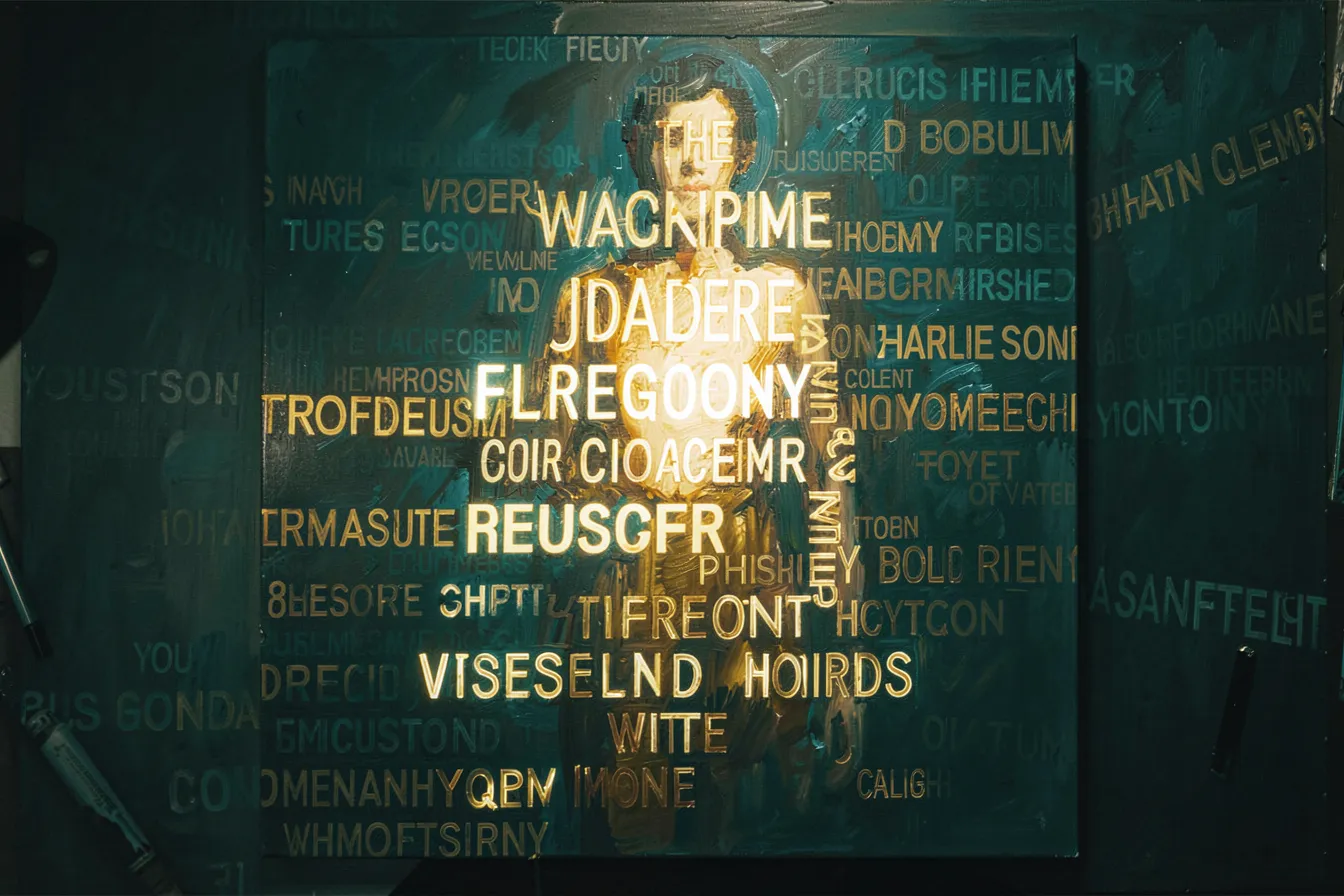
Most modern tools let you amplify or mute specific terms. You raise a subject so the model commits to it. You dial back a color that keeps flooding the frame. Emphasis syntax works like a mixing desk, and each phrase gets its own fader.
Artists exploit this constantly. They boost brushwork when a piece reads too clean. They soften neon when the palette overwhelms the mood. Small numeric shifts produce large visual swings. The image responds because you told it what to prioritize, not just what to include.
- Lead with the subject. Put the core figure or object first and weight it hardest.
- Group by role. Cluster style words, then lighting, then mood, so each idea stays coherent.
- Tune one knob at a time. Change a single weight, regenerate, and read the result before moving on.
- Cut what fights. If two terms compete, drop the weaker one instead of shouting louder.
Phrasing Carries as Much Weight as Numbers
Syntax alone shifts the outcome, even without explicit weights. Front-loaded words pull more attention than trailing ones. Concrete nouns beat vague abstractions. “Cracked marble bust, moss in the seams” directs the model far better than “old classical statue, weathered.”
Artists write with this bias in mind. They spend their strongest, most specific language early. They save modifiers for the tail, where a little drift does no harm. Good prompt phrasing reads almost like poetry, because both forms fight for precision under tight constraints.
Negatives Sculpt the Space You Keep
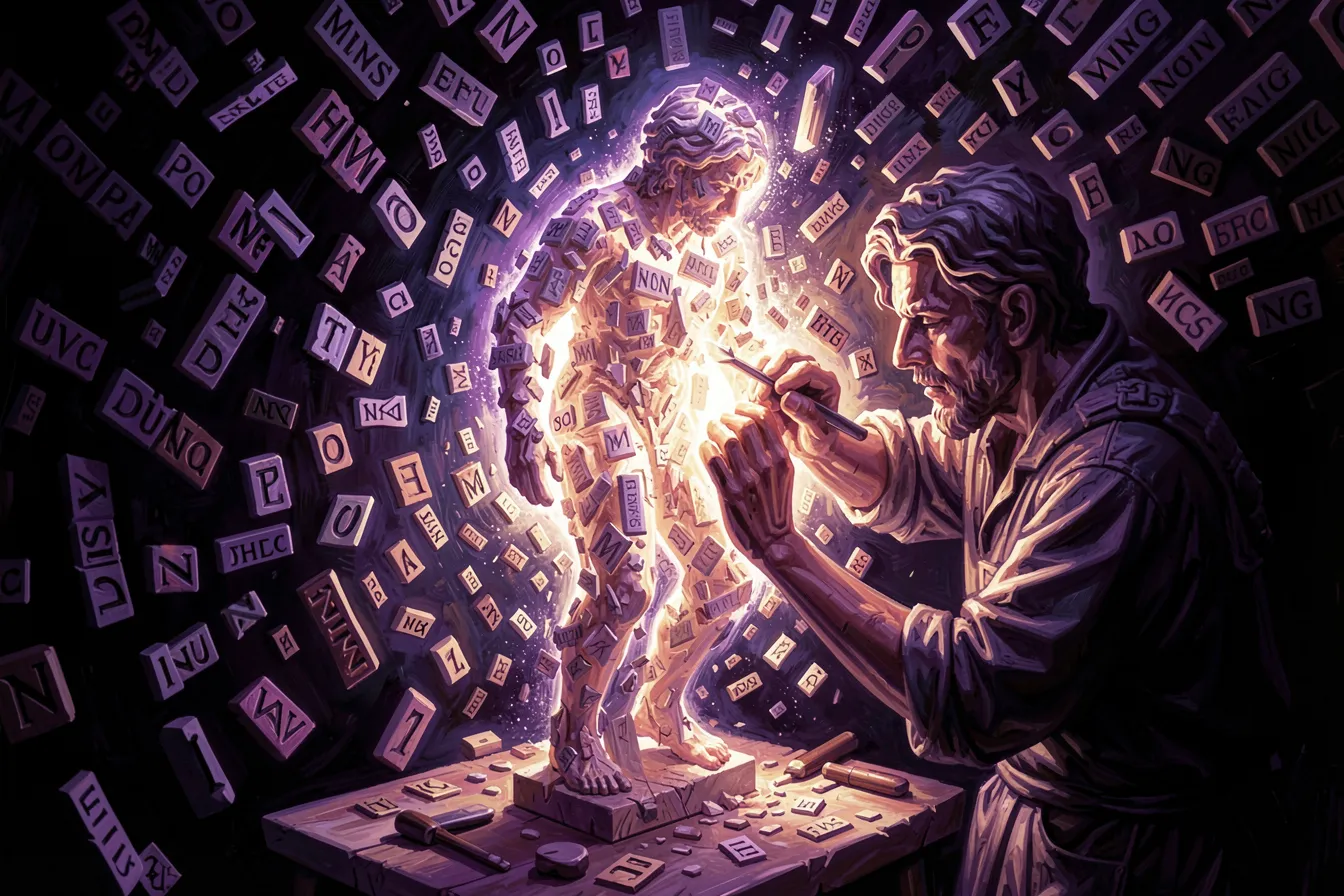
Emphasis also runs in reverse. Negative prompts tell the model what to push out of frame. Artists use them to protect a composition, not just to block flaws. They exclude a dominant color, a cliché pose, or an overused texture. The negative carves away noise so the positive prompt can breathe.
Think of it as sculpting. You add mass with weighted terms, then you cut it back with negatives. The final image emerges from that push and pull. Both directions matter, and both reward the same careful, iterative attention.
Iteration Makes the Prompt an Instrument
No artist nails the weights on the first try. They generate, read the image honestly, and adjust one variable. They keep a log of what each shift did. Over dozens of runs, they build intuition for how the model responds. That earned feel separates a practitioner from a dabbler.
Prompt weighting rewards patience the way any instrument does. You practice, you listen, and you refine. The tool answers you more clearly each time. Eventually the language on your screen and the picture in your head start to converge.
Try It on Your Next Piece
Pick one image you care about. Rank your intent, weight the lead idea, and prune the rest. Add a negative that defends your composition. Then iterate until the frame sings. Explore more workflows and see the results at ai-art-designer.de, where prompt craft meets finished art.
Images: AI-Designed
Dieser Beitrag ist auch verfügbar auf:
 English